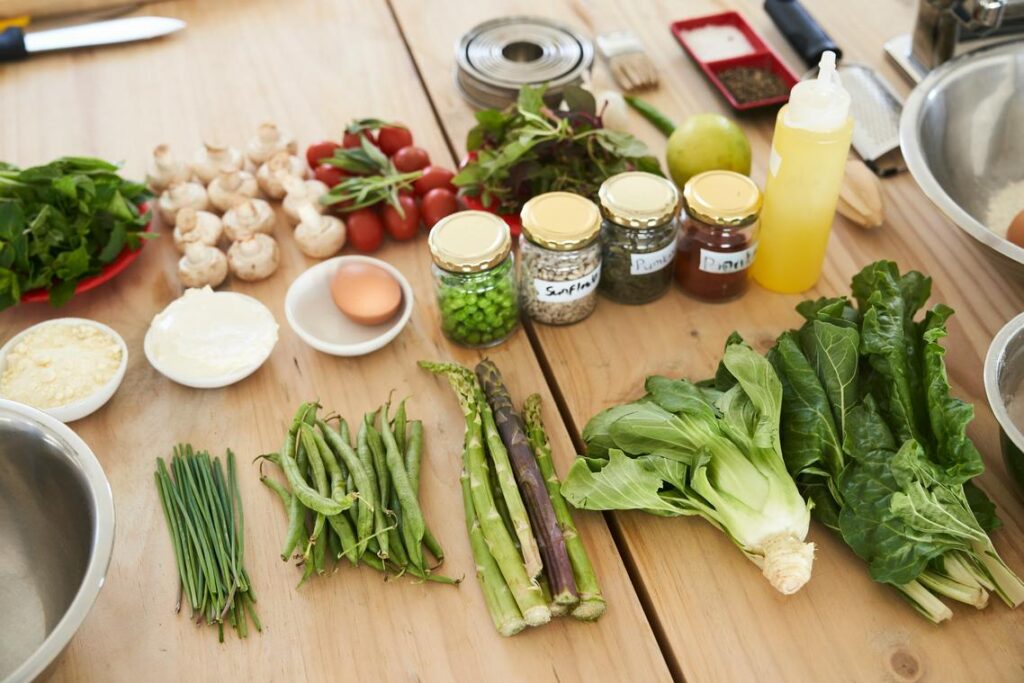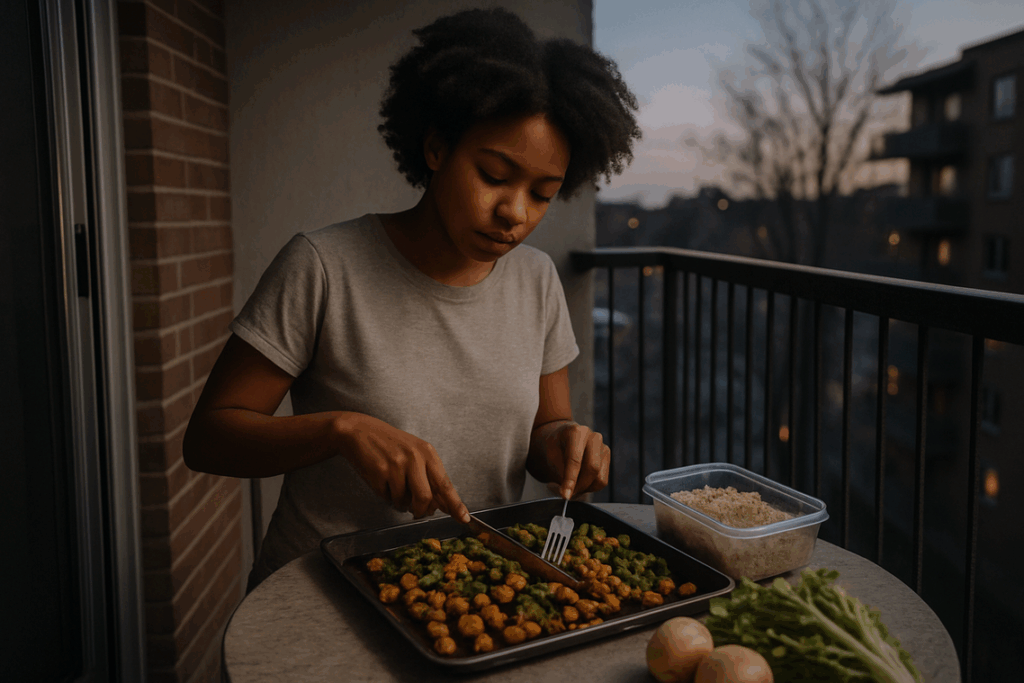
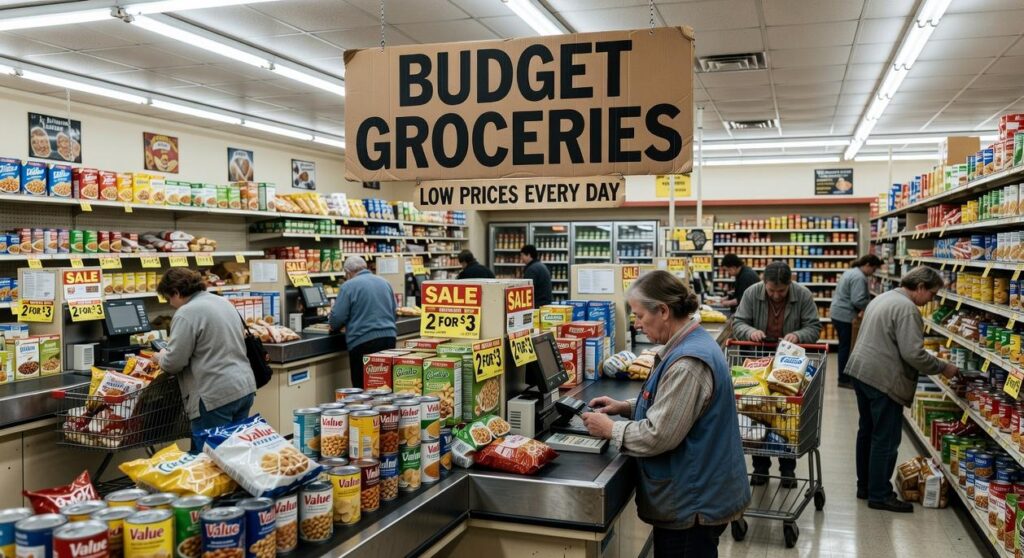
Planning affordable meals shouldn’t feel overwhelming or repetitive. If you’re searching for a practical way to stretch your grocery budget without sacrificing flavor or variety, this guide delivers exactly that. Our 5 day budget meal plan is designed to help you lower food costs, reduce waste, and enjoy satisfying, home-cooked meals using simple, accessible ingredients.
We’ve carefully analyzed real grocery prices, tested portion sizes, and balanced nutrition to ensure each meal is both cost-effective and filling. The result is a streamlined plan that takes the guesswork out of budgeting while still leaving room for creativity in the kitchen.
Inside, you’ll find smart meal prep strategies, affordable ingredient swaps, and flavor-boosting tips that make inexpensive cooking exciting rather than restrictive. Whether you’re feeding a family or cooking for one, this plan helps you shop smarter, cook efficiently, and make every dollar count—without feeling deprived.
Eat Well Without Overspending
A practical 5 day budget meal plan can feel restrictive, but that assumption misses the point. Frugal cooking means using versatile ingredients—foods that appear in multiple meals to reduce waste and stretch every dollar. Critics argue tight meal planning kills spontaneity. I disagree. Structure actually creates freedom (less nightly takeout panic). This guide gives you five affordable dinners, smart leftovers, and a streamlined shopping list designed to minimize impulse buys. Real-world example: roast chicken becomes tacos, soup, and salad toppings. Pro tip: cook grains in bulk for quick bowls. Your wallet will thank you later on.
The Smart Shopper’s Blueprint: Core Principles for Saving
Back in 2020, when grocery prices began climbing sharply (U.S. food-at-home prices rose 11.4% in 2022, according to the U.S. Bureau of Labor Statistics), many households relearned a timeless truth: smart systems beat impulse every time.
Principle 1: Embrace Versatile Staples. Versatile staples are low-cost ingredients that work across multiple meals—think oats, rice, beans, and eggs. One bag of rice can anchor stir-fry tonight and burrito bowls tomorrow (your pantry’s version of a cinematic universe).
Principle 2: Cook Once, Eat Twice (or Thrice). Batch cooking means preparing extra portions intentionally. Chili becomes tomorrow’s taco filling. Roast chicken turns into soup.
Principle 3: Master the “Frugal Fusion” Technique. Frugal fusion means transforming basics with spices and sauces. Black beans shift from soup to burgers to salad toppings with a few tweaks.
Principle 4: Shop with a Plan. A list reduces impulse spending—a behavior study from the Journal of Consumer Research found unplanned purchases spike without one.
Here’s a simple 5 day budget meal plan framework:
| Day | Dinner | Next-Day Use |
|---|---|---|
| Mon | Rice & Beans |
Burrito Bowl |
| Tue | Roast Chicken | Chicken Soup |
| Wed | Pasta | Pasta Bake |
| Thu | Stir-Fry | Fried Rice |
| Fri | Chili | Loaded Potatoes |
After just three months of planning this way, many shoppers report noticeably lower grocery bills (and fewer “what’s for dinner?” moments).
Your Master Grocery List: Everything You Need for Under $50

This isn’t just a cheap grocery list—it’s a STRATEGIC pantry blueprint. Most budget lists tell you what to buy. They don’t show you how items overlap to stretch across multiple meals (that’s where the real savings hide).
Why this list works differently:
- Lentils, black beans, and kidney beans rotate as taco filling, soup base, and protein add‑ins.
- The same onion, carrot, and celery trio becomes soup, pasta sauce, or fried rice (classic mirepoix—pronounced “meer-pwah”—the flavor backbone of countless dishes).
- Eggs flex from breakfast oats add‑in to fried rice topper.
With this foundation, you can build a 5 day budget meal plan using the same core ingredients without boredom setting in.
Counterpoint: some argue $50 isn’t realistic today. Fair. Prices vary (USDA data shows regional swings), but buying store brands and dry goods keeps costs LOW and waste MINIMAL.
Pro tip: cook the entire bag of lentils at once and freeze portions. FUTURE YOU will be grateful (especially on busy nights).
The 5-Day Meal-by-Meal Breakdown
If you’ve ever stared into your fridge on a Wednesday night wondering what went wrong, this is for you. A clear, practical plan removes guesswork, cuts waste, and keeps your grocery bill in check. Below is a simple, realistic 5 day budget meal plan you can actually stick to.
Before we begin, let’s define one key term: meal prepping simply means preparing ingredients or full meals in advance so you’re not cooking from scratch every single day. It doesn’t mean spending your entire Sunday in the kitchen (unless you want to channel your inner cooking show contestant).
Day 1: Cook Once, Eat Twice
Breakfast: Overnight oats (oats, milk, banana, peanut butter)
Lunch: Rice and black bean bowls with roasted vegetables
Dinner: Roast chicken thighs with potatoes and carrots
Start strong by roasting extra chicken. You’ll use leftovers tomorrow. Cooking protein in bulk saves both time and money. According to the USDA, buying whole cuts rather than pre-cooked or processed options typically reduces cost per pound.
Day 2: Reinvent Leftovers
Breakfast: Scrambled eggs and toast
Lunch: Leftover chicken bowl with rice and veggies
Dinner: Chicken quesadillas with salsa
Here’s the trick: change the flavor profile. Yesterday’s roast chicken becomes today’s Tex-Mex filling. Different seasoning, totally different vibe. (It’s basically a costume change for your food.)
Day 3: Stretch the Staples
Breakfast: Yogurt with oats and frozen berries
Lunch: Lentil soup (make a big batch)
Dinner: Pasta with garlic, olive oil, and sautéed vegetables
Lentils are a budget hero. They’re high in protein and fiber, and studies show legumes support heart health (Harvard T.H. Chan School of Public Health). Make extra soup for tomorrow’s lunch.
Pro tip: Cook pasta just to al dente if you plan to reheat it later. It won’t turn mushy.
Day 4: Mix and Match
Breakfast: Oatmeal with cinnamon and apple
Lunch: Leftover lentil soup
Dinner: Stir-fry using remaining vegetables, rice, and scrambled egg or tofu
A stir-fry is simply a quick-cooked mix of vegetables and protein in a hot pan. It’s ideal for using small leftover portions that aren’t enough for a full meal on their own.
Day 5: Clean-Out-the-Fridge Friday
Breakfast: Toast with peanut butter and fruit
Lunch: Pasta leftovers
Dinner: “Kitchen sink” frittata (eggs plus any remaining veggies or meat)
A frittata is an oven-finished egg dish that binds leftovers together into something cohesive. Think of it as your fridge’s farewell party.
If you need more structure before starting, check out this step by step guide to budget meal prep for beginners:
https://lovinglifeandlivingonless.com.co/step-by-step-guide-to-budget-meal-prep-for-beginners/
With a flexible plan like this, you’re not locked into rigid recipes. Instead, you’re building meals around affordable staples and smart reuse. That’s how you save money without feeling restricted—and without asking, “What’s for dinner?” ever again.
Making It Last: Simple Meal Prep Hacks
The Sunday Chop means prepping hardy vegetables (produce that lasts all week) in one 30-minute sprint. Dice onions, carrots, and celery, then refrigerate in airtight containers so dinners start on autopilot (yes, like meal-prep magic).
Next, batch cook grains—a single pot of rice becomes chili filler and fried rice base. This foundational carb strategy (cooking once, eating twice) saves time and cash.
Finally, portion for success: ladle soup or chili straight into tomorrow’s lunch container before serving. It curbs overeating and powers your 5 day budget meal plan. Pro tip: label dates.
Making budget-friendly eating your new normal starts with one question: what if saving money tasted good? First, plan around staples. Second, repurpose leftovers creatively. Third, track wins weekly. With a 5 day budget meal plan, you build habits that stick—and your wallet notices. Sound familiar, or surprisingly possible today already?
Make Your 5 Day Budget Meal Plan Work for You
You came here looking for a practical way to stretch your grocery budget without sacrificing flavor or variety — and now you have a clear, doable 5 day budget meal plan to make that happen. No more last-minute takeout, no more wasted ingredients, and no more wondering how you’ll make it to the end of the week on what’s left in your fridge.
Sticking to a plan like this directly tackles the biggest frustration most households face: rising food costs and not enough meals to show for it. With smart ingredient overlap, simple prep strategies, and flexible recipes, you’re set up to spend less while still eating meals you actually enjoy.
Now it’s your move. Pick your start day, write your grocery list, and commit to following this plan for the next five days. If you’re ready to cut your food bill, reduce stress, and make budget cooking feel effortless, start your 5 day budget meal plan today and see the savings for yourself.
 Operations Manager
Hilary Jamesuels writes the kind of helpful reads content that people actually send to each other. Not because it's flashy or controversial, but because it's the sort of thing where you read it and immediately think of three people who need to see it. Hilary has a talent for identifying the questions that a lot of people have but haven't quite figured out how to articulate yet — and then answering them properly.
They covers a lot of ground: Helpful Reads, Frugal Fusion Cuisine, Meal Prep Hacks on a Budget, and plenty of adjacent territory that doesn't always get treated with the same seriousness. The consistency across all of it is a certain kind of respect for the reader. Hilary doesn't assume people are stupid, and they doesn't assume they know everything either. They writes for someone who is genuinely trying to figure something out — because that's usually who's actually reading. That assumption shapes everything from how they structures an explanation to how much background they includes before getting to the point.
Beyond the practical stuff, there's something in Hilary's writing that reflects a real investment in the subject — not performed enthusiasm, but the kind of sustained interest that produces insight over time. They has been paying attention to helpful reads long enough that they notices things a more casual observer would miss. That depth shows up in the work in ways that are hard to fake.
Operations Manager
Hilary Jamesuels writes the kind of helpful reads content that people actually send to each other. Not because it's flashy or controversial, but because it's the sort of thing where you read it and immediately think of three people who need to see it. Hilary has a talent for identifying the questions that a lot of people have but haven't quite figured out how to articulate yet — and then answering them properly.
They covers a lot of ground: Helpful Reads, Frugal Fusion Cuisine, Meal Prep Hacks on a Budget, and plenty of adjacent territory that doesn't always get treated with the same seriousness. The consistency across all of it is a certain kind of respect for the reader. Hilary doesn't assume people are stupid, and they doesn't assume they know everything either. They writes for someone who is genuinely trying to figure something out — because that's usually who's actually reading. That assumption shapes everything from how they structures an explanation to how much background they includes before getting to the point.
Beyond the practical stuff, there's something in Hilary's writing that reflects a real investment in the subject — not performed enthusiasm, but the kind of sustained interest that produces insight over time. They has been paying attention to helpful reads long enough that they notices things a more casual observer would miss. That depth shows up in the work in ways that are hard to fake.