If you’re looking for practical, realistic ways to improve personal performance without burning out or overspending, you’re in the right place. High performance isn’t just about doing more—it’s about using your time, energy, and resources wisely so you can get better results with less stress.
This article is designed to give you clear, actionable strategies that fit into everyday life. Whether your goal is to be more productive at work, stay consistent with healthy habits, or manage your routines more efficiently, you’ll find focused insights that help you take immediate action.
We’ve drawn on proven behavioral research, productivity studies, and real-world habit-building frameworks to ensure the advice here is practical and sustainable—not just motivational theory. By the end, you’ll understand what actually drives consistent improvement and how to apply it in a way that works for your lifestyle.
Reclaim Your Time
I used to wear busyness like a badge of honor. Yet somehow, my to-do list only grew. The mistake? Confusing motion with progress. Eventually, I realized I needed systems, not hustle, to improve personal performance.
Here’s what I learned:
- First, define “essential.” If everything matters, nothing does.
- Next, time-block realistically; I once scheduled ten tasks for a three-task day (rookie move).
- Finally, review weekly. Without reflection, patterns repeat.
Moreover, simple tools—a notebook, a timer—beat expensive apps. In contrast to radical overhauls, small adjustments build lasting momentum and genuine control. Start small, then scale with confidence and clarity.
First, Define Your “Why”: The Blueprint for Effective Action
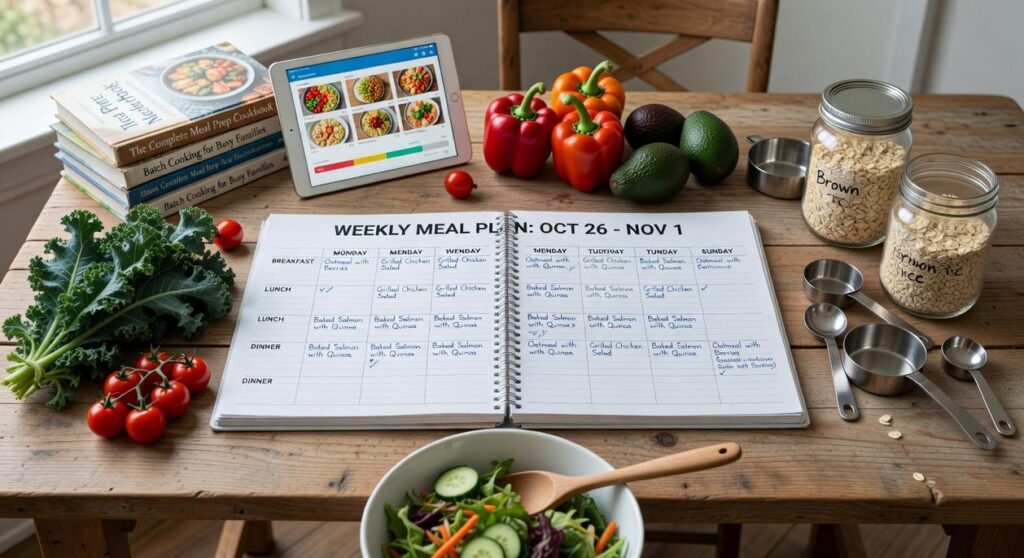
By incorporating some of the science-backed strategies from our recent article on improving focus and personal performance, you can also maximize your meal prep efficiency, so be sure to check out our guide on Affordable Containers and Tools for Smart Meal Prep.
Being busy is like running on a treadmill—lots of movement, zero forward progress. Being productive, on the other hand, is like hiking a marked trail: every step moves you closer to a clear destination. The difference? Direction. True productivity means advancing the right tasks, not just checking boxes (because a full checklist doesn’t always equal a meaningful day).
So, where do you start? First, clarify your “why.” Think of it as the GPS for your effort. Without it, even hard work can lead you somewhere you never meant to go.
Next comes the Rule of Three. Instead of drowning in a to-do list, identify:
- The three most critical outcomes for today
- The tasks that directly support your larger goals
- The actions only you can complete
This simple filter cuts through noise and prevents overwhelm. After all, even a great chef limits the menu to perfect the dish.
Then, build momentum with Frugal SMART goals. SMART stands for Specific, Measurable, Achievable, Relevant, Time-bound. Add an “F” for Frugal—achievable with the time and resources you already have. Big dreams are great, but sustainable goals improve personal performance far more effectively than burnout marathons.
In the end, clarity fuels action. And action, guided by purpose, turns effort into real progress.
Upskill Your Workflow: High-Impact Learning on a Low Budget
Let’s be honest: most productivity problems aren’t about motivation. They’re about friction. So first, conduct a quick self-audit. Where does your time actually go?
- Slow typing that turns emails into 20-minute marathons
- An overflowing inbox you “deal with later”
- Repetitive data entry that feels like Groundhog Day
These are workflow bottlenecks—recurring slow points that quietly drain your output. Identify just one, and you’ve already taken the first step to improve personal performance.
Now here’s the upside: fixing even a small bottleneck compounds fast. Saving 15 minutes a day adds up to 60+ hours a year. That’s an entire workweek back in your pocket.
The “Free University” Method
Fortunately, skill-building doesn’t require tuition.
- YouTube tutorials for Excel formulas and automation
- Free typing-speed platforms like Keybr or TypingClub
- Library apps offering audiobooks on focus and time management
In other words, the tools are already in your hands. (Yes, the same device you use to scroll.) Pro tip: create a dedicated playlist or resource folder so learning is one click away.
The Power of Micro-Learning
Instead of cramming, commit to 15–20 minutes a day on one targeted skill. This is micro-learning—short, focused sessions that reduce overwhelm and increase retention (American Psychological Association research supports spaced learning for better memory outcomes).
The benefit? Steady, visible progress. More confidence. Less frustration. Over time, those small upgrades transform your workflow from reactive chaos into smooth momentum—and that’s when work starts feeling lighter, not heavier.
Systemize Your Success: The “Meal Prep” Method for Your Workday”
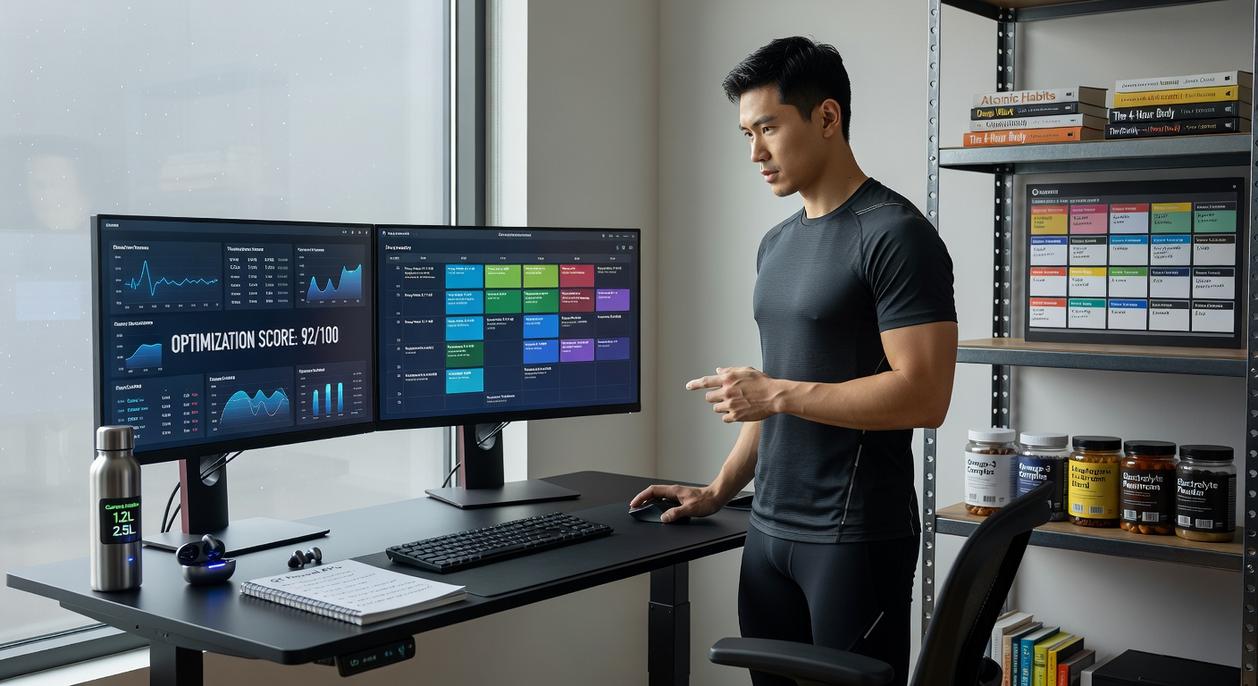
Think about meal prep. On Sunday, you chop, portion, and plan—so weekday you isn’t staring into the fridge like it’s a Netflix “Are you still watching?” screen. The same principle works for your workflow. When you prep your work in advance, you reduce decision fatigue (the mental drain from making too many small choices) and free up energy for what actually matters.
Performance Strategy #1: Task Batching
Task batching means grouping similar tasks into focused blocks. Instead of bouncing between emails, reports, and Slack messages (hello, context-switching chaos), you dedicate:
- One block for emails
- One block for calls
- One block for deep creative work
Research from the American Psychological Association shows multitasking can reduce productivity by up to 40% (APA, 2006). That’s nearly half your effort—gone. Batching protects your focus like noise-canceling headphones for your brain.
Performance Strategy #2: Template Everything
Create reusable templates for:
- Common email replies
- Weekly reports
- Social captions
It’s a one-time investment that pays daily dividends (like meal prepping five lunches in one go). Pro tip: Store templates in a searchable doc for instant access.
Performance Strategy #3: The Two-Minute Rule
If something takes two minutes or less, do it immediately. Coined by productivity expert David Allen in Getting Things Done (2001), this rule keeps small tasks from snowballing.
Some argue structure kills creativity. But structure actually creates space to improve personal performance—because your mental energy isn’t wasted on trivia.
And if you’re curious how your physical habits support this system, explore the connection between physical energy and mental clarity. (Turns out, your brain needs meal prep too.)
Protect Your Engine: Strategies to Prevent Productivity Burnout
Hustle culture loves to shout that REST IS FOR THE WEAK. It’s not. Research shows that chronic overwork increases burnout risk and lowers long-term output (World Health Organization, 2019). Strategic downtime is a performance tool, not a luxury. Even elite athletes build recovery into training cycles—your brain deserves the same respect.
If you want to improve personal performance without flaming out, start here:
- Create a Shutdown Ritual. Spend 5–10 minutes reviewing tasks, setting tomorrow’s top priority, and physically closing your laptop. This repeated cue signals your brain to disengage (think of it as turning off the office lights in your mind).
- Schedule Your Breaks. Block two short breaks and a real lunch on your calendar. Treat them like client meetings—non‑negotiable.
Some argue breaks kill momentum. In reality, deliberate pauses restore focus and creativity (Harvard Business Review, 2018). Pro tip: step outside during one break—sunlight resets energy faster than scrolling ever will.
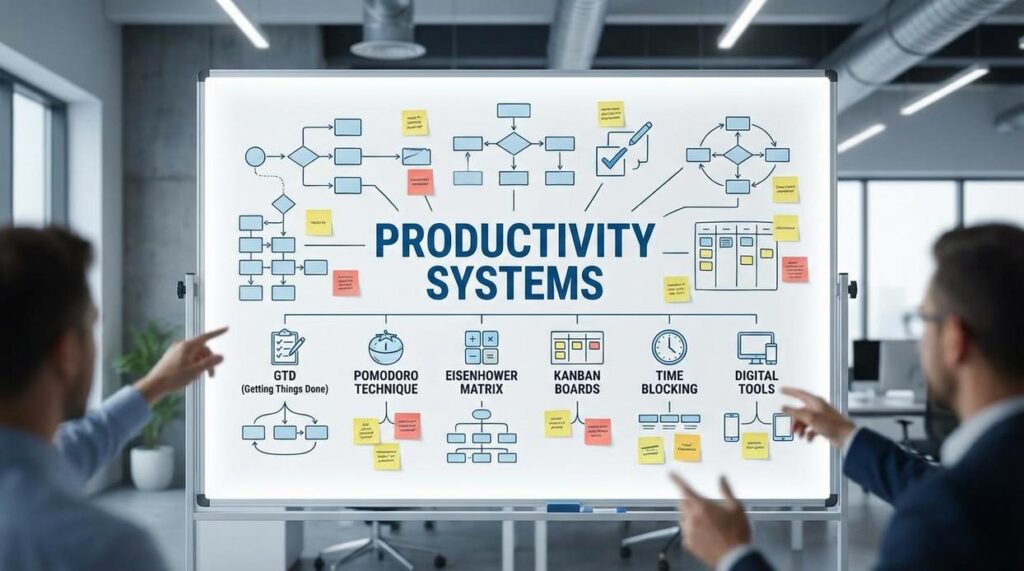
Lasting productivity isn’t about grinding harder; it’s about building SMALL SYSTEMS. Systems are repeatable routines that reduce decision fatigue (that mental drain from too many choices). That’s how you improve personal performance without burnout. Pick one tactic—task batching or the two-minute rule—and test it for one week. START today now.
Make Every Meal Work Harder for You
You came here looking for practical ways to stretch your food budget without sacrificing flavor, creativity, or nutrition. Now you have the tools to plan smarter, cook creatively, and turn simple ingredients into meals that truly satisfy.
Living on less doesn’t mean settling for less. The real challenge is making every dollar, every ingredient, and every meal count. When grocery prices rise and time feels limited, it’s easy to feel stuck and overwhelmed. But with budget-friendly swaps, frugal fusion ideas, and strategic meal prep, you can take back control of your kitchen and your wallet.
The next step is simple: put one strategy into action this week. Plan your meals before shopping, repurpose leftovers into something new, or try one low-cost culinary twist that excites you. Small, consistent changes are what improve personal performance in the kitchen and in your finances.
If you’re ready to stop overspending on food and start cooking with confidence, explore more of our proven budget-friendly meal ideas and prep strategies. Thousands of savvy home cooks already use these methods to cut costs and eat well. Start today and make your next grocery trip your smartest one yet.
 Nolissa Orvandora writes the kind of fresh insights content that people actually send to each other. Not because it's flashy or controversial, but because it's the sort of thing where you read it and immediately think of three people who need to see it. Nolissa has a talent for identifying the questions that a lot of people have but haven't quite figured out how to articulate yet — and then answering them properly.
They covers a lot of ground: Fresh Insights, Frugal Fusion Cuisine, Low-Cost Culinary Exploration, and plenty of adjacent territory that doesn't always get treated with the same seriousness. The consistency across all of it is a certain kind of respect for the reader. Nolissa doesn't assume people are stupid, and they doesn't assume they know everything either. They writes for someone who is genuinely trying to figure something out — because that's usually who's actually reading. That assumption shapes everything from how they structures an explanation to how much background they includes before getting to the point.
Beyond the practical stuff, there's something in Nolissa's writing that reflects a real investment in the subject — not performed enthusiasm, but the kind of sustained interest that produces insight over time. They has been paying attention to fresh insights long enough that they notices things a more casual observer would miss. That depth shows up in the work in ways that are hard to fake.
Nolissa Orvandora writes the kind of fresh insights content that people actually send to each other. Not because it's flashy or controversial, but because it's the sort of thing where you read it and immediately think of three people who need to see it. Nolissa has a talent for identifying the questions that a lot of people have but haven't quite figured out how to articulate yet — and then answering them properly.
They covers a lot of ground: Fresh Insights, Frugal Fusion Cuisine, Low-Cost Culinary Exploration, and plenty of adjacent territory that doesn't always get treated with the same seriousness. The consistency across all of it is a certain kind of respect for the reader. Nolissa doesn't assume people are stupid, and they doesn't assume they know everything either. They writes for someone who is genuinely trying to figure something out — because that's usually who's actually reading. That assumption shapes everything from how they structures an explanation to how much background they includes before getting to the point.
Beyond the practical stuff, there's something in Nolissa's writing that reflects a real investment in the subject — not performed enthusiasm, but the kind of sustained interest that produces insight over time. They has been paying attention to fresh insights long enough that they notices things a more casual observer would miss. That depth shows up in the work in ways that are hard to fake.