Eating well shouldn’t mean draining your bank account. If you’ve ever felt like building a high-protein, nutritious diet requires expensive grocery hauls, you’re not alone. The truth is, there are plenty of cheap healthy protein sources that deliver the nutrients your body needs without stretching your budget. This guide is designed to help you discover affordable, powerhouse proteins—from versatile plant-based staples to smart animal-based picks—so you can shop with confidence. Inside, you’ll find a clear, practical list and simple tips to make your next grocery trip healthier, easier, and far more budget-friendly.
Ever notice how grocery bills spike the moment you add meat to your cart? What if the real savings hero is sitting quietly in the dry goods aisle?
Lentils are the MVP of frugal protein. At often under $0.50 per serving, these tiny legumes deliver around 18 grams of protein per cooked cup, plus a hefty dose of fiber that keeps you full (and your digestion happy). Toss them into soups, fold them into salads, or simmer them with spices for a quick curry. Why pay more for less nutrition?
Then there are beans and chickpeas. Dried versions usually cost half as much as canned, though canned wins on convenience. So which matters more to you: time or money? Either way, they shine in chili, blend smoothly into hummus, or stretch ground meat further without anyone noticing. That’s one of the smartest cheap healthy protein sources strategies around.
Meanwhile, tofu and edamame quietly debunk the myth that soy is pricey. A single block of tofu can anchor stir-fries, scrambles, and even smoothies across multiple meals. Edamame? A grab-and-go snack packing about 17 grams of protein per cup.
Finally, consider quinoa and oats. Yes, they’re carbs. But compared to white rice, they offer significantly more protein per serving (USDA data). Build your meals on these foundations, and suddenly eating well costs less than takeout. Sound like a trade worth making?
With a little planning, your pantry can outperform pricey protein powders every single week. And keep both wallet and waistline happy.
Smart Animal Protein Choices
Choosing cheap healthy protein sources doesn’t mean sacrificing flavor—or nutrition. It just means shopping smarter and cooking with intention.
Canned Fish: Tuna, Salmon, Sardines
Canned fish is shelf-stable (safe to store unopened at room temperature) and rich in omega-3 fatty acids, essential fats linked to heart and brain health (Harvard T.H. Chan School of Public Health). Choose tuna or salmon packed in water for fewer calories, or in oil for richer flavor. Sardines are often the most budget-friendly—and surprisingly mild. Toss canned salmon into quick fish cakes, mix tuna with Greek yogurt for a lighter salad, or layer sardines on toast with lemon and cracked pepper (trust me on this one).
Chicken Thighs vs. Breasts
Chicken thighs are typically cheaper per pound than breasts (USDA retail price data consistently shows thighs costing less). They contain more fat, which means more flavor and tenderness—ideal for stews, curries, and sheet-pan roasts. Breasts shine in quick sautés, but thighs are harder to overcook (a gift for busy weeknights).
Ground Turkey & Beef
Buy in bulk when prices drop and freeze portions. Stretch ground meat by mixing in lentils, mushrooms, or grated zucchini for meatloaf or bolognese. You’ll cut costs and add fiber (your grocery bill and digestion will thank you).
Pork Shoulder & Loin
Often one of the most affordable cuts, pork shoulder transforms with slow cooking. Braise or roast low and slow to break down connective tissue (that’s what makes it tender). Use leftovers for tacos, sandwiches, or fried rice.
For more practical savings, explore this beginners guide to cooking from scratch to cut food costs.
The Everyday Essentials: Eggs & Dairy
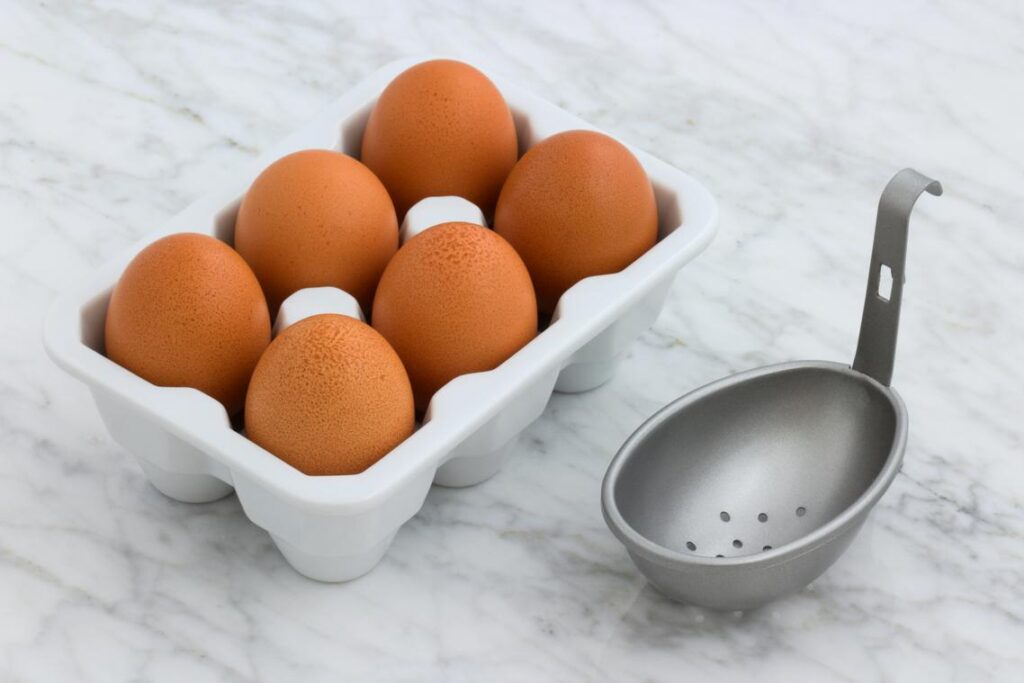
When your grocery budget is tight, eggs and dairy quietly become the MVPs of cheap healthy protein sources (yes, the unsung heroes in your fridge).
Eggs: The Perfect Protein
At roughly 6 grams of protein per egg and often just pennies apiece, eggs deliver one of the lowest costs per gram of protein in the store. They’re also a complete protein, meaning they contain all nine essential amino acids your body needs. Scrambled for breakfast, hard‑boiled for snacks, or baked into dinner casseroles, they’re endlessly adaptable (basically the culinary equivalent of a Swiss Army knife).
Greek Yogurt: Protein Density Matters
Greek yogurt is strained, removing excess whey and concentrating protein—often twice as much as regular yogurt per serving. Buying plain, larger tubs lowers the unit price and cuts added sugar. Use it for:
- Breakfast parfaits
- Creamy sauces instead of sour cream
- High‑protein desserts
Cottage Cheese: Savory or Sweet
With 12–14 grams of protein per half cup, cottage cheese works with fruit and honey or blended into pasta sauces for creamy texture without heavy cream (yes, really).
Milk: Simple and Effective
At about 8 grams of protein per cup, milk boosts smoothies and oatmeal at a remarkably low cost per serving. Pro tip: Use it in place of water when cooking grains for an easy protein upgrade.
The Stretching Technique means pairing a small portion of meat with beans or lentils to amplify flavor while lowering cost. Think beef-and-bean chili: half the beef, double the fiber, same comfort (yes, it still tastes like Sunday football). Critics argue less meat equals less satisfaction. Not true—umami from spices bridges the gap.
- Build a basic spice kit: cumin, paprika, garlic powder, oregano.
- Batch-cook lentils or chicken.
- Remix into tacos, soups, or stir-fries.
Cooking once and eating thrice saves time and money, especially with cheap healthy protein sources anchoring each meal. Flavor makes frugality feel indulgent. That’s smart.
Your Roadmap to Affordable, Healthy Eating
You came here looking for a way to eat well without overspending—and now you know it’s absolutely possible. A nutritious, high-protein diet doesn’t require fancy ingredients or a higher grocery bill. With smart planning and the right choices, you can protect both your health and your wallet.
The stress of choosing between your budget and proper nutrition ends here. By adding lentils, eggs, canned fish, and smart meat cuts to your weekly routine, you can consistently hit your protein goals without financial strain.
Start simple: pick two new proteins from this list to try this week. Thousands of budget-conscious readers trust these strategies to cut costs and eat better. Take action today—your body and your bank account will thank you.
 Nolissa Orvandora writes the kind of fresh insights content that people actually send to each other. Not because it's flashy or controversial, but because it's the sort of thing where you read it and immediately think of three people who need to see it. Nolissa has a talent for identifying the questions that a lot of people have but haven't quite figured out how to articulate yet — and then answering them properly.
They covers a lot of ground: Fresh Insights, Frugal Fusion Cuisine, Low-Cost Culinary Exploration, and plenty of adjacent territory that doesn't always get treated with the same seriousness. The consistency across all of it is a certain kind of respect for the reader. Nolissa doesn't assume people are stupid, and they doesn't assume they know everything either. They writes for someone who is genuinely trying to figure something out — because that's usually who's actually reading. That assumption shapes everything from how they structures an explanation to how much background they includes before getting to the point.
Beyond the practical stuff, there's something in Nolissa's writing that reflects a real investment in the subject — not performed enthusiasm, but the kind of sustained interest that produces insight over time. They has been paying attention to fresh insights long enough that they notices things a more casual observer would miss. That depth shows up in the work in ways that are hard to fake.
Nolissa Orvandora writes the kind of fresh insights content that people actually send to each other. Not because it's flashy or controversial, but because it's the sort of thing where you read it and immediately think of three people who need to see it. Nolissa has a talent for identifying the questions that a lot of people have but haven't quite figured out how to articulate yet — and then answering them properly.
They covers a lot of ground: Fresh Insights, Frugal Fusion Cuisine, Low-Cost Culinary Exploration, and plenty of adjacent territory that doesn't always get treated with the same seriousness. The consistency across all of it is a certain kind of respect for the reader. Nolissa doesn't assume people are stupid, and they doesn't assume they know everything either. They writes for someone who is genuinely trying to figure something out — because that's usually who's actually reading. That assumption shapes everything from how they structures an explanation to how much background they includes before getting to the point.
Beyond the practical stuff, there's something in Nolissa's writing that reflects a real investment in the subject — not performed enthusiasm, but the kind of sustained interest that produces insight over time. They has been paying attention to fresh insights long enough that they notices things a more casual observer would miss. That depth shows up in the work in ways that are hard to fake.