
If you’re looking for practical ways to cut your grocery bill without sacrificing flavor, you’re in the right place. Rising food costs have made it harder than ever to stick to a budget, but smart strategies—like focusing on seasonal produce savings, flexible meal planning, and creative ingredient swaps—can make a noticeable difference. This article is designed to help you shop smarter, cook creatively, and stretch every dollar while still enjoying satisfying, flavorful meals.
We’ve analyzed pricing trends, compared in-season versus out-of-season costs, and tested budget-friendly recipes to ensure these tips are realistic and effective for everyday kitchens. You’ll discover how to plan meals around what’s freshest and most affordable, reduce waste through simple prep hacks, and turn low-cost staples into exciting dishes. Whether you’re feeding a family or cooking for one, these insights will help you eat well, spend less, and feel confident about every trip to the store.
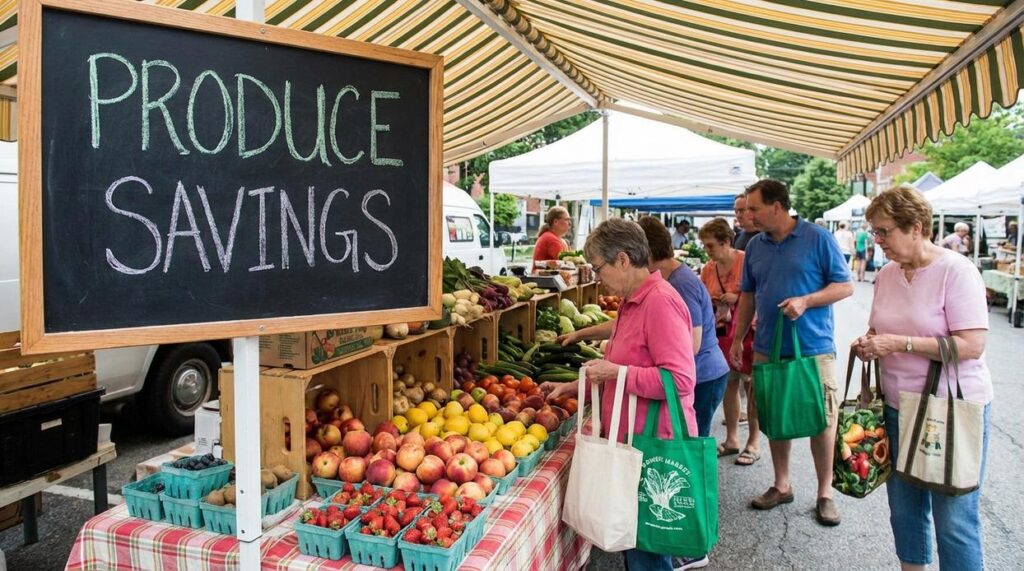
Watching your grocery total rise each week can feel defeating. However, there’s a smarter way to shop. When you buy fruits and vegetables at their natural peak, you unlock better prices, richer flavor, and stronger nutrition (yes, tomatoes are supposed to taste like something). This guide shows you how to plan meals around local harvest cycles, compare prices confidently, and spot true deals fast. The result? Real seasonal produce savings without sacrificing quality. In turn, you’ll stretch your budget, reduce food waste, and enjoy meals that taste fresher—like farmers’ market quality on a weeknight. Your wallet will thank you daily.
I used to wonder why strawberries felt like a bargain in June but a luxury in January. One winter, I paid nearly six dollars for a pale, crunchy carton (and instantly regretted it). A few months later, the same berries were stacked high at two for four. That’s supply and demand in action: when produce is in season—meaning it’s naturally harvested at its peak in your region—there’s more of it. More supply, steady demand, lower prices.
Why Timing Changes the Price
When crops are abundant, farmers must move them quickly before spoilage. Grocery stores follow suit, discounting heavily to keep inventory fresh. On the other hand, out-of-season produce often travels thousands of miles, adding transportation, cold storage, and refrigeration costs. According to the USDA, transportation and handling significantly influence retail produce prices. Those extra steps show up on your receipt.
Some argue modern logistics make seasons irrelevant. To a point, that’s true—you can buy blueberries in December. But they’re rarely as sweet or nutrient-dense as fruit picked ripe. Studies show vitamin C levels decline with extended storage. So yes, seasonal produce savings matter—but flavor and nutrition do, too. Planning around harvest calendars cut costs and boosted flavor at home.
A Year of Savings: Your Seasonal Produce Calendar
Think eating healthy is expensive? Not if you time it right. The secret isn’t clipping coupons—it’s following the harvest. This calendar is your cheat sheet for what’s fresh, affordable, and delicious right now. In other words: seasonal produce savings.
Spring (March–May)
Spring brings bright, crisp flavors after a long winter. Look for asparagus, strawberries, peas, radishes, rhubarb, and tender leafy greens like spinach and arugula. Tender greens simply mean young leaves harvested early for a softer texture.
Tip: Snap the end of an asparagus stalk; if it breaks cleanly, it’s fresh.
Some argue imported berries are “just as good” year-round. Technically, sure. But out-of-season produce travels farther, costs more, and often tastes like watery disappointment (we’ve all been there).
Summer (June–August)
Now the market explodes with abundance: blueberries, raspberries, tomatoes, corn, zucchini, cucumbers, peaches, and watermelon. Peak season means the time of year when supply is highest—so prices usually drop (USDA notes seasonal supply directly impacts pricing).
Tip: Farmers’ markets often offer better bulk deals late in the day.
And no, canned corn isn’t “basically the same.” Fresh summer corn is sweeter because natural sugars haven’t converted to starch yet.
Fall (September–November)
Enter hearty comfort: apples, pears, grapes, squash (butternut, acorn), pumpkin, sweet potatoes, broccoli, and cauliflower. Hardy squash refers to thick-skinned varieties that store well.
Tip: Keep squash in a cool, dark place for months.
- Buy whole pumpkins instead of pre-cut cubes.
- Roast extra vegetables for meal prep.
- Freeze surplus produce before it spoils.
Winter (December–February)
Winter favors citrus (oranges, grapefruit, lemons), root vegetables (carrots, potatoes, beets), kale, and Brussels sprouts. Citrus peaks in colder months, delivering vitamin C when you need it most (National Institutes of Health confirms its immune-support role).
Tip: Root vegetables last longer unwashed.
For even more ideas on stretching ingredients creatively, check out exploring global street foods without breaking the bank. Eating seasonally isn’t limiting—it’s smart.
7 Smart Hacks for Maximum Produce Savings

If you’ve noticed your grocery bill creeping up since 2022 (and who hasn’t?), you’re not alone. Food prices rose over 20% between 2020 and 2023 according to the U.S. Bureau of Labor Statistics. The good news? seasonal produce savings are still very real—if you know where to look.
1. Scan Weekly Flyers
Before shopping, check the store circular. The front page is prime real estate for loss leaders (deeply discounted items meant to pull you in). Back in 2019, I tracked prices for three months—flyer produce was consistently 15–40% cheaper.
2. Shop Farmers’ Markets Late
Show up an hour before closing. Vendors would rather discount than haul boxes home (especially in peak summer heat).
3. Embrace “Imperfect” Produce
“Ugly” fruits and vegetables—cosmetically flawed but perfectly edible—often cost 30–50% less (USDA confirms appearance doesn’t affect nutritional value).
4. Join a CSA Program
CSA (Community Supported Agriculture) means you prepay for a share of a farm’s harvest. Over a 16-week season, many families save compared to retail.
5. Explore Ethnic Markets
Asian, Latin, and Middle Eastern stores frequently price herbs and greens lower due to higher turnover (translation: fresher, faster).
6. Look for Manager’s Specials
Find the markdown rack. These are ripe-now items—ideal for soups, sauces, or freezing.
7. Buy Whole, Not Pre-Cut
Pre-cut produce includes “convenience markup.” A whole melon takes five minutes to chop (less time than scrolling TikTok).
Pro tip: Track one store’s produce prices for 30 days. Patterns emerge quickly—and timing becomes your secret weapon.
Stop Wasting, Start Saving: Make Your Fresh Finds Last
Getting a discount is only a win if you eat food. Food waste means wasted money, so let’s simplify storage.
Know How to Store
• Tomatoes and potatoes stay out of the fridge; cold air dulls flavor.
• Onions and garlic prefer a cool, dark spot.
• Apples and bananas release ethylene gas—a natural ripening trigger—so keep them away from other produce.
Prep for Success
Wash, chop, and refrigerate veggies in airtight containers for meals.
Freeze berries on a tray first, then bag them to prevent clumps. seasonal produce savings matter.
Eat fresh and spend less by planning meals around what’s in season. First, check local harvest charts and build your list from there. Next, compare prices and stock up for seasonal produce savings. Finally, freeze extras for later. Small shifts now mean flavorful plates and fuller wallets year-round for families.
By incorporating seasonal produce into your meals, you not only enjoy fresher flavors at a lower cost, but you also cultivate habits that build daily momentum in your cooking skills, aligning beautifully with the principles discussed in our article on cultivating skill, speed, and power habits – for more details, check out our How to Build Daily Momentum with Skill, Speed, and Power Habits.
Make Every Meal Count for Less
You came here looking for smarter ways to stretch your grocery budget without sacrificing flavor or creativity. Now you have practical strategies to shop smarter, cook efficiently, and turn simple ingredients into satisfying meals.
Sticking to a food budget can feel overwhelming—especially when prices keep rising and meal planning gets repetitive. But with a focus on seasonal produce savings, frugal fusion ideas, and strategic meal prep, you can lower your costs while still enjoying exciting, nourishing dishes.
The key is taking action. Start by planning next week’s meals around what’s in season, build a short ingredient list that works across multiple recipes, and set aside time for batch prep. Small, consistent changes are what transform your kitchen from stressful to streamlined.
If you’re ready to cut grocery bills, reduce waste, and make budget cooking feel effortless, start applying these tips today. Join thousands of savvy home cooks who are already saving more and eating better—explore more budget-friendly meal ideas now and turn your next grocery trip into a win.
 Nolissa Orvandora writes the kind of fresh insights content that people actually send to each other. Not because it's flashy or controversial, but because it's the sort of thing where you read it and immediately think of three people who need to see it. Nolissa has a talent for identifying the questions that a lot of people have but haven't quite figured out how to articulate yet — and then answering them properly.
They covers a lot of ground: Fresh Insights, Frugal Fusion Cuisine, Low-Cost Culinary Exploration, and plenty of adjacent territory that doesn't always get treated with the same seriousness. The consistency across all of it is a certain kind of respect for the reader. Nolissa doesn't assume people are stupid, and they doesn't assume they know everything either. They writes for someone who is genuinely trying to figure something out — because that's usually who's actually reading. That assumption shapes everything from how they structures an explanation to how much background they includes before getting to the point.
Beyond the practical stuff, there's something in Nolissa's writing that reflects a real investment in the subject — not performed enthusiasm, but the kind of sustained interest that produces insight over time. They has been paying attention to fresh insights long enough that they notices things a more casual observer would miss. That depth shows up in the work in ways that are hard to fake.
Nolissa Orvandora writes the kind of fresh insights content that people actually send to each other. Not because it's flashy or controversial, but because it's the sort of thing where you read it and immediately think of three people who need to see it. Nolissa has a talent for identifying the questions that a lot of people have but haven't quite figured out how to articulate yet — and then answering them properly.
They covers a lot of ground: Fresh Insights, Frugal Fusion Cuisine, Low-Cost Culinary Exploration, and plenty of adjacent territory that doesn't always get treated with the same seriousness. The consistency across all of it is a certain kind of respect for the reader. Nolissa doesn't assume people are stupid, and they doesn't assume they know everything either. They writes for someone who is genuinely trying to figure something out — because that's usually who's actually reading. That assumption shapes everything from how they structures an explanation to how much background they includes before getting to the point.
Beyond the practical stuff, there's something in Nolissa's writing that reflects a real investment in the subject — not performed enthusiasm, but the kind of sustained interest that produces insight over time. They has been paying attention to fresh insights long enough that they notices things a more casual observer would miss. That depth shows up in the work in ways that are hard to fake.