
Eating well on a tight budget shouldn’t mean sacrificing flavor, creativity, or variety. If you’re searching for practical ways to stretch your grocery dollars while still enjoying exciting meals, this guide is designed for you. We break down how to combine smart shopping strategies, simple meal prep systems, and global flavor inspiration into affordable fusion cooking you can actually sustain week after week.
Many home cooks struggle with rising food costs, limited time, and the misconception that adventurous meals require expensive ingredients. This article solves that by showing you how to repurpose staples, reduce waste, and build bold, cross-cultural dishes from what you already have on hand.
Our approach is grounded in hands-on kitchen testing, real-world budgeting experience, and proven cost-cutting techniques that prioritize both taste and savings. By the end, you’ll have practical, low-cost culinary strategies that make eating well feel achievable—not overwhelming.
I used to wander international grocery aisles, filling my basket with pricey sauces I’d only use once. Eventually, I realized the real barrier to exploring global cuisine wasn’t skill—it was cost. Specialty ingredients add up fast. However, here’s the good news: you don’t need a global budget to cook global flavors. This guide shows you how to master affordable fusion cooking by building a versatile pantry, making smart ingredient swaps, and blending traditions creatively. Think of “frugal fusion” as combining culinary cultures with budget staples. In other words, you’ll learn to cook bold, authentic-tasting meals—without the specialty store price tag.
The Frugal Fusion Pantry: Your Foundation for Flavor
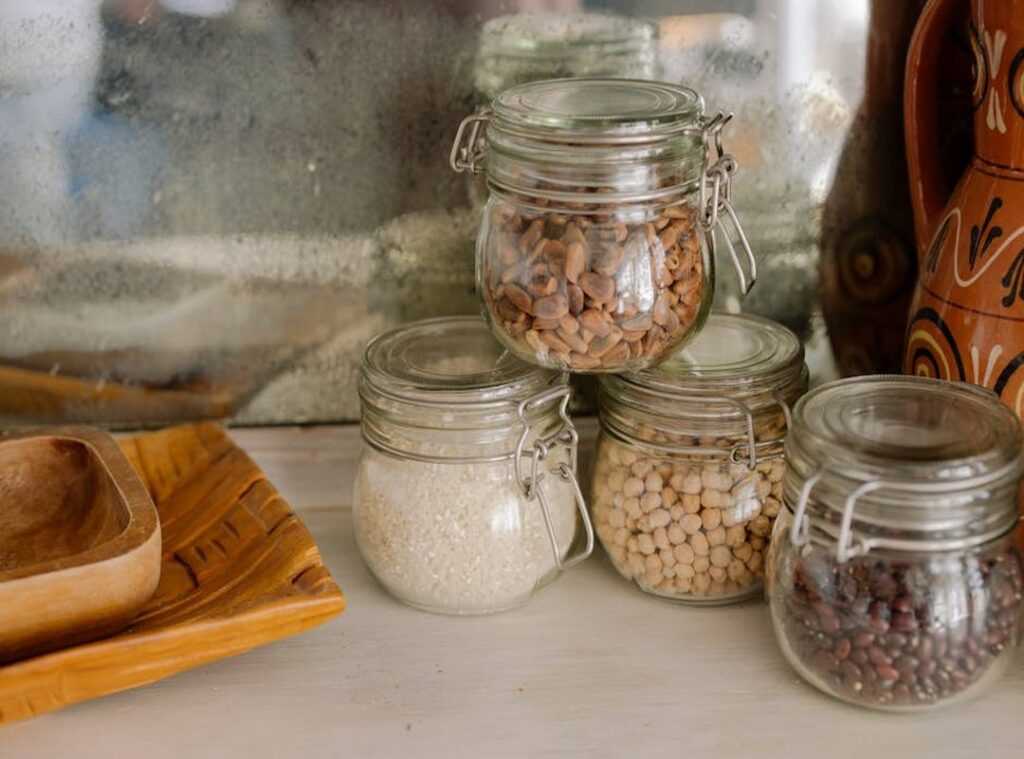
A smart kitchen starts with universal bases. Compare this: a $2 bag of rice that becomes stir-fry, burrito bowls, or curry for days—versus a $7 pre-seasoned meal kit that serves two once. Rice, lentils, beans, potatoes, and pasta stretch further because they absorb whatever flavors you pair with them. (It’s the culinary equivalent of a capsule wardrobe.) Globally, these staples anchor diets from India to Italy because they’re affordable and adaptable.
Next, meet the Aromatics All-Stars—onions, garlic, ginger, and carrots. French mirepoix and Cajun “holy trinity” prove the same point: humble vegetables build complex flavor. Buying pre-made sauces (A) adds cost and sodium; sautéing aromatics in oil (B) creates depth for pennies.
With spices, think curated over crowded. A small set—cumin, coriander, smoked paprika, chili flakes—covers Mexican, Middle Eastern, and Mediterranean dishes. Twenty niche jars expire quietly; four versatile ones get used weekly. (Your cabinet will thank you.)
Finally, stock long-lasting flavor boosters:
- Soy sauce
- Vinegar
- Tomato paste
- Bouillon
These shelf-stable ingredients deliver umami—savory depth recognized as the fifth taste (Ikeda, 1908). That’s the secret behind affordable fusion cooking that tastes anything but cheap.
Mastering the “Flavor Swap”: Get Authentic Taste for Less
At its core, a flavor profile is the combination of taste, aroma, and texture that defines a dish (think smoky, citrusy, earthy, or umami-rich). The trick? Identify what makes an expensive ingredient special—then recreate that essence with something affordable.
Some argue substitutions dilute authenticity. And yes, if you’re chasing Michelin stars, maybe. But if your goal is bold flavor on a budget, smart swaps get you 90% there for a fraction of the price (and your wallet will thank you).
Practical Swaps for Herbs & Spices
Start with aroma and acidity.
- Lemongrass → Lime zest + a splash of lemon juice (bright and citrusy)
- Fresh regional herbs → Cilantro + parsley mix for balanced freshness
- Harissa paste → Smoked paprika + chili flakes + garlic + olive oil
- Curry paste → DIY curry powder (cumin, coriander, turmeric, garlic powder)
Pro tip: Toast whole spices in a dry pan for 30 seconds to intensify flavor (Harvard T.H. Chan notes spices contain antioxidant compounds that bloom with heat).
Protein on a Dime
Instead of shrimp or steak, try:
- Chickpeas in curries or tacos for hearty texture.
- Eggs in fried rice or ramen (rich, protein-packed, affordable).
- Chicken thighs instead of breasts—they’re juicier and often cheaper per pound (USDA price data consistently shows thighs cost less).
Vegetable Versatility
Finally, swap imported produce for local finds:
- Daikon → Carrots (similar crunch, mild sweetness)
- Bok choy → Green cabbage (sturdy, absorbs sauces well)
This is affordable fusion cooking in action—respecting tradition while adapting smartly. After all, even your favorite cooking shows remix classics (yes, we’re looking at you, Top Chef).
Three Budget-Friendly Fusion Recipes to Start Tonight

Fusion food sometimes gets a bad rap. Critics say it’s “confused” or watered down. But when done thoughtfully, it’s simply smart cooking—borrowing techniques and flavors to stretch ingredients further (and make Tuesday night feel less like leftovers).
1. Italian-Spiced Lentil Tacos
Lentils are protein-rich legumes that cost pennies per serving and cook in about 20–25 minutes. Simmer them with crushed tomatoes, garlic, oregano, basil, and a pinch of red pepper flakes—classic Italian stew flavors. Then spoon the mixture into warm taco shells and top with shredded lettuce and a sprinkle of Parmesan.
You get the hearty texture of ragù without pricey meat. The benefit? High fiber, low cost, and bold flavor in under 30 minutes. (Think taco night meets a cozy trattoria.)
2. Thai Green Curry Risotto
Risotto is an Italian rice dish made by slowly adding warm liquid to arborio rice, releasing starch for a naturally creamy texture. Instead of stock and cream, use budget-friendly coconut milk thinned with water. Stir in a homemade green curry blend—ground coriander, cumin, ginger, garlic powder, and chili flakes.
The slow-stir method maximizes creaminess without cheese, while coconut milk adds richness for less than specialty sauces. Pro tip: Warm your liquid before adding it; this keeps the rice cooking evenly and saves time.
3. “Deconstructed” Samosa Bowls
Traditional samosas are pastry-filled Indian snacks. Skip the dough and sauté diced potatoes, peas, cumin, garam masala, and turmeric. Serve over rice with a quick yogurt-lemon sauce.
You capture the iconic flavor profile without deep frying—proof that affordable fusion cooking can be practical and satisfying. For more ideas, explore the top 10 budget friendly fusion recipes to try this week.
Strategic Meal Prep for a Week of Global Cuisine
I swear by the “Cook Once, Eat Globally” method because it saves money and sanity. On Sunday, roast a tray of vegetables, simmer quinoa, or shred chicken—neutral bases that absorb flavor like a sponge. Then, the fun starts.
Day 1, splash soy sauce and grate fresh ginger for an Asian-style bowl (think takeout vibes, minus the bill). Day 2, toss with cumin and lime for a Latin-inspired salad. Day 3, fold in oregano and tomato for a Mediterranean wrap.
Honestly, isn’t affordable fusion cooking the smartest shortcut to variety? around.
Your Passport to an Affordable Culinary Adventure
Exploring global flavors doesn’t require pricey gadgets or specialty imports; it requires understanding spices, techniques, and balance. That’s the real win. When you cook this way, you gain confidence, creativity, and control over your budget. A tight grocery budget shouldn’t shrink your imagination. In fact, constraints often spark better meals (necessity is the original celebrity chef). The principles of a frugal fusion pantry, smart swaps, and affordable fusion cooking open endless combinations at a fraction of restaurant prices.
- Try one simple recipe this week and taste the savings for yourself.
Wealth follows flavor.
Make Every Meal Count Without Overspending
You came here looking for practical ways to enjoy creative, flavorful meals without stretching your budget—and now you have the tools to do exactly that. From smart ingredient swaps to strategic meal prep and flavor-packed combinations, you’ve seen how affordable fusion cooking makes it possible to explore global tastes while keeping grocery costs under control.
Sticking to a tight food budget can feel limiting and repetitive. But it doesn’t have to be. With the right approach, you can break free from boring meals, reduce waste, and still serve dishes that feel exciting and satisfying.
Now it’s your move. Start by planning one fusion-inspired meal this week using ingredients you already have. Batch prep, mix cultural flavors, and stretch every dollar with intention.
If you’re ready to stop overspending on groceries and start creating bold, budget-friendly meals with confidence, explore more proven tips and meal prep hacks today. Join thousands of savvy home cooks who are transforming their kitchens with smart strategies that actually work—start saving and cooking smarter now.
 Nolissa Orvandora writes the kind of fresh insights content that people actually send to each other. Not because it's flashy or controversial, but because it's the sort of thing where you read it and immediately think of three people who need to see it. Nolissa has a talent for identifying the questions that a lot of people have but haven't quite figured out how to articulate yet — and then answering them properly.
They covers a lot of ground: Fresh Insights, Frugal Fusion Cuisine, Low-Cost Culinary Exploration, and plenty of adjacent territory that doesn't always get treated with the same seriousness. The consistency across all of it is a certain kind of respect for the reader. Nolissa doesn't assume people are stupid, and they doesn't assume they know everything either. They writes for someone who is genuinely trying to figure something out — because that's usually who's actually reading. That assumption shapes everything from how they structures an explanation to how much background they includes before getting to the point.
Beyond the practical stuff, there's something in Nolissa's writing that reflects a real investment in the subject — not performed enthusiasm, but the kind of sustained interest that produces insight over time. They has been paying attention to fresh insights long enough that they notices things a more casual observer would miss. That depth shows up in the work in ways that are hard to fake.
Nolissa Orvandora writes the kind of fresh insights content that people actually send to each other. Not because it's flashy or controversial, but because it's the sort of thing where you read it and immediately think of three people who need to see it. Nolissa has a talent for identifying the questions that a lot of people have but haven't quite figured out how to articulate yet — and then answering them properly.
They covers a lot of ground: Fresh Insights, Frugal Fusion Cuisine, Low-Cost Culinary Exploration, and plenty of adjacent territory that doesn't always get treated with the same seriousness. The consistency across all of it is a certain kind of respect for the reader. Nolissa doesn't assume people are stupid, and they doesn't assume they know everything either. They writes for someone who is genuinely trying to figure something out — because that's usually who's actually reading. That assumption shapes everything from how they structures an explanation to how much background they includes before getting to the point.
Beyond the practical stuff, there's something in Nolissa's writing that reflects a real investment in the subject — not performed enthusiasm, but the kind of sustained interest that produces insight over time. They has been paying attention to fresh insights long enough that they notices things a more casual observer would miss. That depth shows up in the work in ways that are hard to fake.