
If you’re searching for practical ways to eat well on a tight budget, you’re in the right place. Stretching your grocery dollars doesn’t have to mean sacrificing flavor, variety, or health. This article explores smart strategies for building satisfying meals around affordable staples, with a special focus on rice and beans nutrition and how this simple pairing can become the foundation of countless delicious, low-cost dishes.
Many people struggle to balance rising food prices with the desire to cook nourishing meals at home. Here, you’ll find carefully researched insights into cost-effective ingredients, smart meal prep techniques, and creative flavor combinations that make frugal cooking exciting—not repetitive.
Our approach is grounded in practical kitchen testing, nutritional research, and real-world budgeting experience. By the end, you’ll have clear, actionable ideas to help you save money, reduce food waste, and confidently create budget-friendly meals that truly satisfy.
The Macronutrient Foundation: Fueling Your Body on a Budget
Eating well doesn’t have to mean spending more. In fact, a simple rice-and-beans combo delivers one of the most balanced plates you can build on a tight budget.
Complex Carbohydrates for Sustained Energy
First, let’s talk carbs. Complex carbohydrates are slow-digesting carbs that release glucose gradually, helping stabilize blood sugar and prevent energy crashes. Brown rice and beans both fall into this category. Unlike simple sugars (think soda or pastries), they provide steady fuel that lasts for hours. That means fewer mid-afternoon slumps and less temptation to snack impulsively.
The Plant-Based Protein Punch
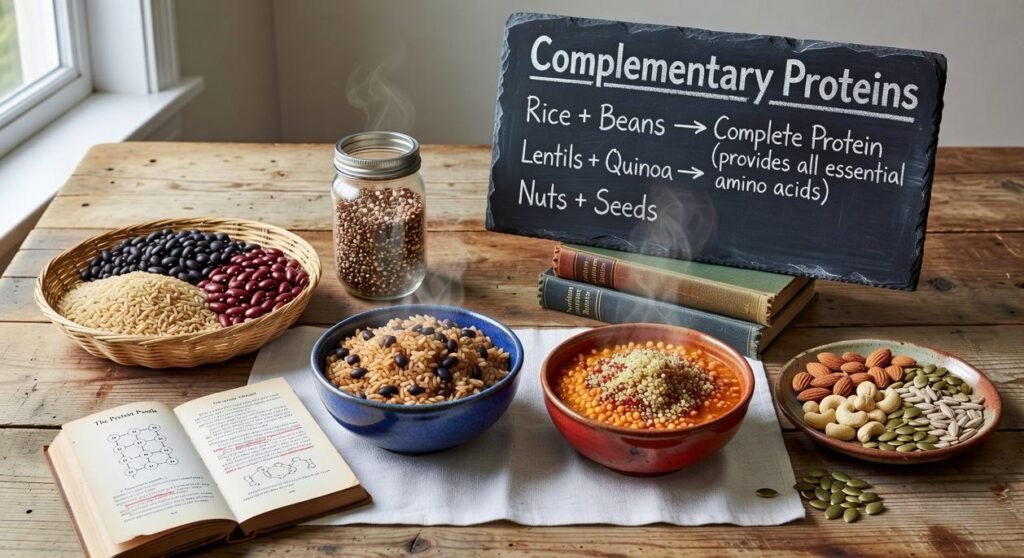
Beans are a powerhouse of plant protein, which supports muscle repair and keeps you full longer. One cup of cooked black beans contains about 15 grams of protein, while lentils offer around 18 grams per cup (USDA FoodData Central). That’s impressive for such low-cost staples. Pairing rice with beans also creates a complete protein profile—one reason rice and beans nutrition is often praised in budget meal planning.
Dietary Fiber for Digestive Health
Finally, fiber. High-fiber foods support gut health and promote satiety, which can help with weight management (Harvard T.H. Chan School of Public Health). If you’re stretching your budget, check out this beginners guide to grocery shopping on 50 a week for practical planning tips.
Unlocking Essential Vitamins and Minerals
Iron and magnesium may not get the spotlight, yet they’re power players in energy production and muscle function. When your day feels long, iron helps move oxygen through your bloodstream, while magnesium supports steady, cramp-free movement. In other words, you get more stamina and fewer sluggish afternoons. Pair iron-rich beans with vitamin C—think a squeeze of lime or chopped bell peppers—and absorption improves significantly, giving you more nutritional bang for your buck.
Meanwhile, folate and other B vitamins are essential for cellular function and metabolism. They help your body convert food into usable energy, which means better focus, balanced moods, and sustained productivity. Beans are especially rich in these nutrients, making rice and beans nutrition a smart, affordable way to fuel your week.
Finally, manganese and phosphorus quietly strengthen bones and support energy metabolism. Though often overlooked, they contribute to long-term resilience and daily vitality. Altogether, this simple meal delivers impressive micronutrient density, so you can eat well, feel strong, and stretch your grocery budget further. By choosing these staples, you invest in affordable, everyday nourishment that pays off in energy, strength, and long-term wellness without complicating your routine or your budget. That matters daily.
The Perfect Protein Pairing: How Rice and Beans Work Together

First, a quick primer. Proteins are built from amino acids—tiny building blocks your body uses to repair tissue, support immunity, and maintain muscle. Of the 20 amino acids, nine are “essential,” meaning you must get them from food. A complete protein contains all nine.
Here’s where the magic happens. Beans are rich in lysine but low in methionine. Rice flips the script—it’s higher in methionine and lower in lysine. Separately, they’re incomplete. Together, they complement each other, delivering the full spectrum your body needs. That’s the practical power behind rice and beans nutrition.
Now, you might’ve heard they must be eaten in the same meal. Not true. Research shows your body maintains an amino acid pool, so eating them over the same day works just fine (no need to treat dinner like a chemistry lab).
The benefit? Affordable, satisfying, plant-based protein that fuels energy, supports muscle repair, and stretches your grocery budget—comfort food with a nutritional upgrade.
Elevating Your Meal: Maximizing Nutrition and Flavor
Brown Rice vs. White Rice: Small Swap, Big Upgrade
First things first, let’s talk grains. Brown rice is a whole grain, meaning it retains the bran and germ—parts rich in fiber, B vitamins, magnesium, and antioxidants (Harvard T.H. Chan School of Public Health). White rice, even when enriched, has lost much of that natural fiber during processing.
So what’s in it for you? Better digestion, steadier blood sugar, and longer-lasting fullness. In other words, fewer 3 p.m. snack attacks. While some argue white rice is easier to digest—and for certain sensitive stomachs, that’s true—most people benefit more from the fiber and micronutrients in brown rice. Think of it as choosing the director’s cut instead of the edited-for-TV version.
Preparation Hacks for Better Digestion
Next, let’s upgrade your beans. Soaking and thoroughly rinsing them helps reduce phytates (compounds that can block mineral absorption) and oligosaccharides, which often cause gas. The payoff? Less bloating and better nutrient absorption. Pro tip: Soak overnight with plenty of water and rinse again before cooking.
Frugal Fusion: Nutrient-Dense Toppings
Now for the fun part. Add affordable boosts like:
- A handful of spinach
- Diced onions
- A sprinkle of nutritional yeast (for B12)
- A dollop of Greek yogurt
- A side of steamed broccoli
Each addition amplifies rice and beans nutrition while adding texture and flavor.
Finally, incorporate healthy fats—avocado, olive oil, nuts, or seeds. Fat helps your body absorb fat-soluble vitamins (A, D, E, and K) and keeps you satisfied longer (National Institutes of Health). A drizzle of olive oil can turn a basic bowl into something crave-worthy (and your body will thank you).
Make the Most of Every Meal
You came here looking for practical ways to eat well without overspending, and now you have a clear path forward. From creative meal prep hacks to smart ingredient swaps, you’ve seen how simple staples can stretch further while still delivering flavor and variety. Most importantly, you understand how powerful rice and beans nutrition can be when you’re building affordable, satisfying meals around real, accessible ingredients.
Stretching your grocery budget doesn’t mean sacrificing taste or nourishment—but it does require a plan. The real pain point isn’t just rising food costs. It’s the daily stress of figuring out what to cook, how to afford it, and whether it will actually keep you full. With the right strategies, that stress turns into confidence.
Now it’s time to take action. Start by planning three budget-friendly meals for this week built around pantry staples. Prep in batches. Experiment with bold spices. Track what you save. Thousands of readers are already transforming their kitchens with these proven, low-cost methods—now it’s your turn. Dive in, put these tips to work today, and turn your next grocery trip into a smarter, more satisfying win.
 Operations Manager
Hilary Jamesuels writes the kind of helpful reads content that people actually send to each other. Not because it's flashy or controversial, but because it's the sort of thing where you read it and immediately think of three people who need to see it. Hilary has a talent for identifying the questions that a lot of people have but haven't quite figured out how to articulate yet — and then answering them properly.
They covers a lot of ground: Helpful Reads, Frugal Fusion Cuisine, Meal Prep Hacks on a Budget, and plenty of adjacent territory that doesn't always get treated with the same seriousness. The consistency across all of it is a certain kind of respect for the reader. Hilary doesn't assume people are stupid, and they doesn't assume they know everything either. They writes for someone who is genuinely trying to figure something out — because that's usually who's actually reading. That assumption shapes everything from how they structures an explanation to how much background they includes before getting to the point.
Beyond the practical stuff, there's something in Hilary's writing that reflects a real investment in the subject — not performed enthusiasm, but the kind of sustained interest that produces insight over time. They has been paying attention to helpful reads long enough that they notices things a more casual observer would miss. That depth shows up in the work in ways that are hard to fake.
Operations Manager
Hilary Jamesuels writes the kind of helpful reads content that people actually send to each other. Not because it's flashy or controversial, but because it's the sort of thing where you read it and immediately think of three people who need to see it. Hilary has a talent for identifying the questions that a lot of people have but haven't quite figured out how to articulate yet — and then answering them properly.
They covers a lot of ground: Helpful Reads, Frugal Fusion Cuisine, Meal Prep Hacks on a Budget, and plenty of adjacent territory that doesn't always get treated with the same seriousness. The consistency across all of it is a certain kind of respect for the reader. Hilary doesn't assume people are stupid, and they doesn't assume they know everything either. They writes for someone who is genuinely trying to figure something out — because that's usually who's actually reading. That assumption shapes everything from how they structures an explanation to how much background they includes before getting to the point.
Beyond the practical stuff, there's something in Hilary's writing that reflects a real investment in the subject — not performed enthusiasm, but the kind of sustained interest that produces insight over time. They has been paying attention to helpful reads long enough that they notices things a more casual observer would miss. That depth shows up in the work in ways that are hard to fake.