
If you’re tired of watching your total climb at checkout while your meals feel uninspired, this guide is for you. We’ll show you how to master grocery shopping on a budget without sacrificing flavor, variety, or creativity. Instead of generic tips, you’ll get a clear, step-by-step system designed to cut food costs while upgrading what’s on your plate. The real problem isn’t spending less—it’s feeling like saving money means settling for bland, repetitive meals. This article solves that. With practical strategies refined through years of real-world practice, you’ll learn how to shop smarter, cook creatively, and start saving on your very next trip.
The Pre-Shop Blueprint: Winning Before You Leave Home
By mastering the tips in our Beginner’s Guide to Grocery Shopping on $50 a Week, you’ll not only save money but also discover strategies that align with the principles explored in The Psychology of Spending Less on Groceries.
First, conduct a “Pantry Audit”—a complete inventory of what’s already in your fridge, freezer, and cabinets. A pantry audit simply means checking quantities and expiration dates before buying anything new. Yes, some argue this takes too much time. But consider this: the USDA estimates that 30–40% of the U.S. food supply is wasted (USDA, 2023). That half-bag of spinach you forgot about? That’s money. Build meals around what must be used up first—like turning leftover roasted chicken into tacos or soup (your wallet will thank you).
Next, embrace strategic meal planning. In other words, plan meals around weekly sales and overlapping ingredients. For example, if bell peppers are discounted, use them in stir-fry, fajitas, and omelets. Critics say planning kills spontaneity. Fair—but so does overspending. Planning actually gives you freedom within structure (think of it as jazz, not a military march).
Then create a “Reverse Grocery List.” Instead of writing down random cravings, list only what you need to complete your planned recipes. Be specific: “2 yellow onions” beats “onions.” This precision keeps grocery shopping on a budget grounded in math, not mood.
Finally, eat before you go. Shopping hungry triggers impulse purchases, according to research on decision-making and appetite (Wansink, 2014). Even a quick peanut butter sandwich helps. Sure, you might think willpower is enough. But why test it in the snack aisle? As they say in every heist movie: win the plan, win the job.
Navigating the Aisles: Your In-Store Tactical Guide
Step through those sliding doors and take a breath. The bakery smells like warm sugar, carts rattle over tile, and bright sale tags flash from every direction. It’s easy to get distracted. However, a calm strategy turns noise into savings.
First, master unit pricing. That bold $5.99 label might shout “deal,” but the smaller print—price per ounce or pound—is where the truth lives. The larger box isn’t always cheaper (even if it feels like it should be). For example, a 16-ounce cereal at $3.49 may beat the 24-ounce box at $5.99 when you break it down per ounce. Numbers don’t lie; packaging sometimes does.
Next, follow the “Perimeter First” rule. Start where the mist clings to crisp lettuce and where chilled dairy cases hum softly. The outer aisles hold whole foods—produce, meat, eggs, milk. Then, and only then, dip into the center aisles for specific list items. This rhythm keeps impulse buys from sneaking in.
Also, look high and low. Eye-level shelves are prime real estate (brands pay for that spotlight). Tilt your head. Crouch a little. The better deals often sit on the top or bottom shelves, quietly waiting.
- Check unit prices before comparing brands
- Scan top and bottom shelves
- Stick to your list in center aisles
Finally, embrace store brands. In many cases, they’re produced by the same manufacturers as name brands (Private Label Manufacturers Association). You’ll taste the same crunch or creaminess—for less.
Pro tip: Make a short list before grocery shopping on a budget and organize it by section. As a result, you’ll move with purpose—and leave with savings.
The Frugal Foodie: Exploring Flavor on a Budget
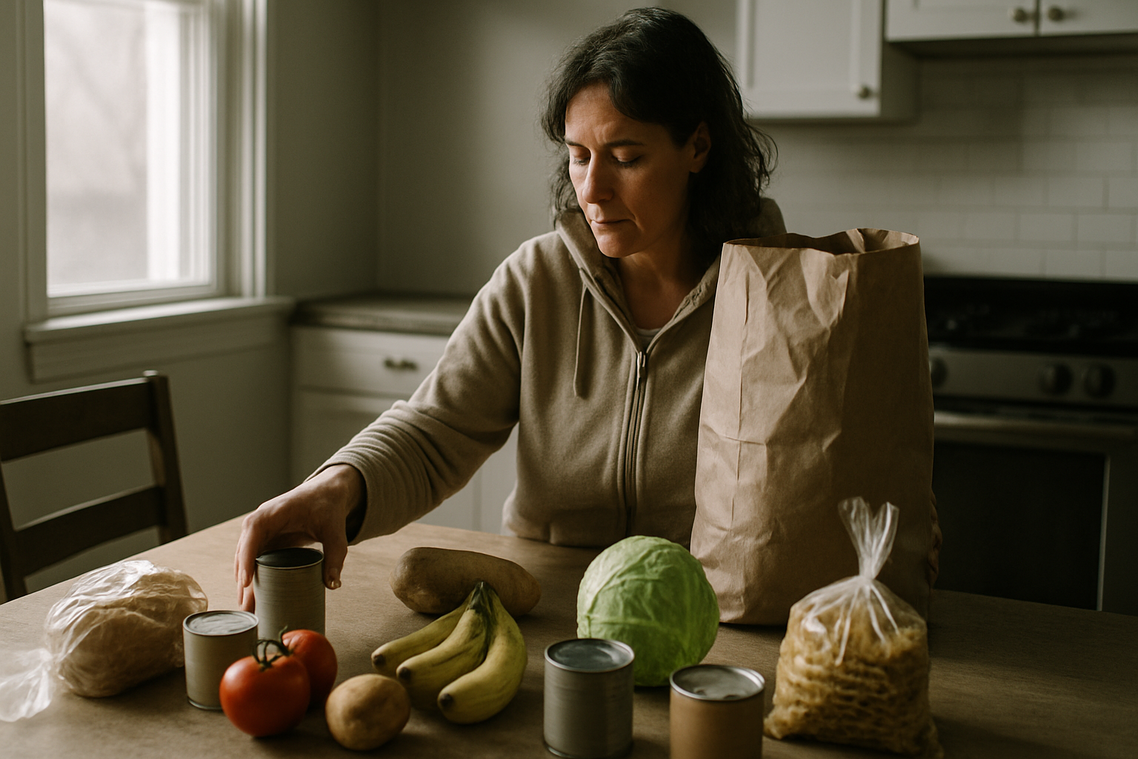
I used to think flavorful meals required expensive ingredients. Then one tight month forced me to get creative with what I already had—rice, beans, and a dusty rack of spices. That’s when I learned a spice arsenal (a small collection of versatile seasonings) can completely transform cheap staples. Cumin adds warmth, smoked paprika brings depth, and chili powder turns plain lentils into something that tastes slow-simmered for hours (even if it wasn’t).
From there, I started experimenting with frugal fusion cuisine, meaning blending affordable international ingredients into everyday cooking. A bag of lentils became Indian dal. Tofu soaked up soy sauce and garlic in a quick stir-fry. Corn tortillas stretched into tacos one night and chilaquiles the next. Suddenly, grocery shopping on a budget felt less restrictive and more like a challenge on a cooking show.
I’ll admit, some people argue that budget cooking is repetitive or bland. I disagree. With the right techniques—and yes, cooking from scratch why it saves more than you think—you control flavor and cost at the same time.
And don’t overlook “ugly” produce. Slightly bruised tomatoes make perfect sauces, and soft bananas were born for smoothies (nature’s discount sticker, if you ask me).
Post-Shop Strategy: Maximizing Every Purchase
So you made it through grocery shopping on a budget without impulse-buying cookies shaped like cartoon characters (no small feat). Now what? The real savings begin after you unpack the bags. Most advice stops at the checkout line. Here’s where we go further.
First, embrace a system—not vibes.
-
The “Cook Once, Eat Twice” Method
In other words, plan for leftovers on purpose. Roast two chickens, not one. Tonight’s herb-roasted dinner becomes tomorrow’s chicken salad or tacos. This leverages sunk cost—meaning you maximize the time and energy you’ve already spent (economists love this principle; see USDA food waste data). -
The Art of Strategic Meal Prep
Instead of prepping full meals, prep components: chopped peppers, cooked quinoa, marinated beans. This flexibility prevents “I don’t feel like that” syndrome that leads to takeout. -
Create a ‘Use-It-Up’ Bin
Designate one fridge spot for aging ingredients. Before cooking, shop this bin first. It’s like a clearance rack for your own food. -
Befriend Your Freezer
Freeze bread, broth scraps, and extra soup portions. Proper freezing can extend food life for months (FDA guidelines support this).
Some argue strict systems kill spontaneity. Fair. But structure actually creates freedom—you’ve got backup meals ready (future you will be grateful).
Pro tip: Keep a running freezer inventory taped to the door.
Your Path to a Fuller Pantry and a Fuller Wallet
You came here looking for a real way to stretch your food dollars without sacrificing flavor—and now you have it. With the right plan, smarter swaps, and a commitment to using what you buy, grocery shopping on a budget becomes second nature instead of a constant stress.
No more walking out of the store frustrated by high totals and uninspiring meals. You’re in control now.
Start small: pick two strategies for your next trip and track the difference.
Join thousands of savvy shoppers who are already cutting costs and eating better. Put these tips into action today and watch your pantry—and your wallet—finally feel full.
 Nolissa Orvandora writes the kind of fresh insights content that people actually send to each other. Not because it's flashy or controversial, but because it's the sort of thing where you read it and immediately think of three people who need to see it. Nolissa has a talent for identifying the questions that a lot of people have but haven't quite figured out how to articulate yet — and then answering them properly.
They covers a lot of ground: Fresh Insights, Frugal Fusion Cuisine, Low-Cost Culinary Exploration, and plenty of adjacent territory that doesn't always get treated with the same seriousness. The consistency across all of it is a certain kind of respect for the reader. Nolissa doesn't assume people are stupid, and they doesn't assume they know everything either. They writes for someone who is genuinely trying to figure something out — because that's usually who's actually reading. That assumption shapes everything from how they structures an explanation to how much background they includes before getting to the point.
Beyond the practical stuff, there's something in Nolissa's writing that reflects a real investment in the subject — not performed enthusiasm, but the kind of sustained interest that produces insight over time. They has been paying attention to fresh insights long enough that they notices things a more casual observer would miss. That depth shows up in the work in ways that are hard to fake.
Nolissa Orvandora writes the kind of fresh insights content that people actually send to each other. Not because it's flashy or controversial, but because it's the sort of thing where you read it and immediately think of three people who need to see it. Nolissa has a talent for identifying the questions that a lot of people have but haven't quite figured out how to articulate yet — and then answering them properly.
They covers a lot of ground: Fresh Insights, Frugal Fusion Cuisine, Low-Cost Culinary Exploration, and plenty of adjacent territory that doesn't always get treated with the same seriousness. The consistency across all of it is a certain kind of respect for the reader. Nolissa doesn't assume people are stupid, and they doesn't assume they know everything either. They writes for someone who is genuinely trying to figure something out — because that's usually who's actually reading. That assumption shapes everything from how they structures an explanation to how much background they includes before getting to the point.
Beyond the practical stuff, there's something in Nolissa's writing that reflects a real investment in the subject — not performed enthusiasm, but the kind of sustained interest that produces insight over time. They has been paying attention to fresh insights long enough that they notices things a more casual observer would miss. That depth shows up in the work in ways that are hard to fake.