Looking for creative ways to stretch your grocery budget without sacrificing flavor? This article is designed to help you turn everyday ingredients into exciting, affordable dishes that make the most of what you already have. Instead of letting leftovers go to waste or falling into a repetitive meal routine, you’ll discover how to reinvent them into leftover fusion meals that feel entirely new and satisfying.
We focus on practical, budget-friendly strategies that actually work in real kitchens — from smart ingredient pairing and flavor layering to simple meal prep systems that save both time and money. Every tip is grounded in hands-on culinary experience and proven frugal cooking methods that prioritize taste, nutrition, and cost efficiency.
By the end, you’ll have clear, actionable ideas to reduce food waste, cut grocery bills, and confidently experiment with low-cost culinary combinations that keep your weekly menu fresh and exciting.
Most people think leftovers mean compromise. I disagree. Frugal Fusion turns last night’s rice and today’s roasted vegetables into something entirely new. Instead of reheating, combine cuisines boldly:
- Toss soy-glazed chicken into tacos with lime slaw
- Stir marinara into curried lentils for a spicy shakshuka-style bake
Critics say mixing flavors muddies authenticity. But weeknight cooking isn’t a museum; it’s survival (and sometimes creativity). By reimagining odds and ends, you cut waste and build leftover fusion meals that feel intentional. Pro tip: anchor dishes with one dominant spice to unify flavors. Dinner becomes a passport, not a rerun. Every bite tells stories.
The Frugal Fusion Philosophy: A New Way to See Your Fridge
I’ll say it: the word leftovers is a creativity killer. The moment we label last night’s roasted veggies or grilled chicken that way, they feel tired. But if you see them as pre-prepped ingredients, your fridge turns into a culinary toolkit (and suddenly Tuesday night feels less tragic).
This mindset powers leftover fusion meals and makes cooking feel strategic, not scrappy.
Here’s how I approach it:
- Texture Contrast: Pair crunchy with soft—think crispy toast under silky stir-fry.
- Flavor Balancing: Blend salty, sweet, sour, and savory so nothing dominates.
- The “Bridge” Ingredient: A unifier like soy sauce, pesto, or fresh herbs that ties cuisines together.
Some argue it’s easier to just cook from scratch. I disagree. The USDA estimates 30–40% of the U.S. food supply is wasted (USDA). Reinventing what you have isn’t settling—it’s smart, sustainable, and honestly more fun.
Pro tip: Keep a versatile sauce on hand. It’s the peace treaty between flavors.
Your Pantry’s Building Blocks: The “Leftover Matrix”
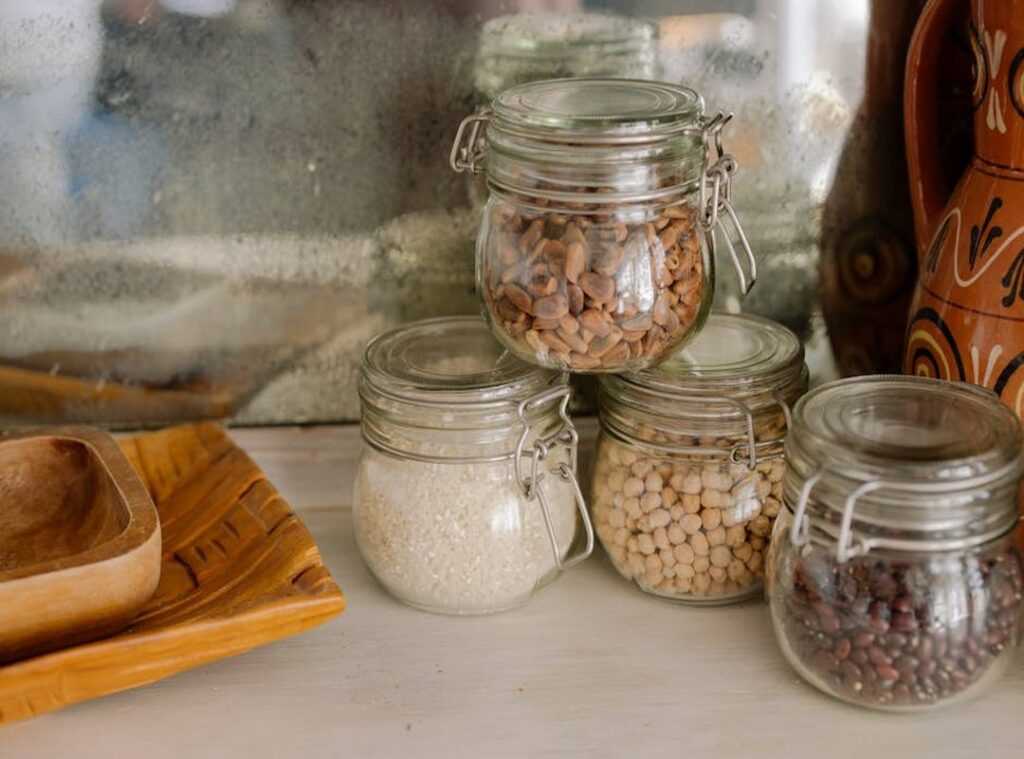
If your fridge feels like a random collection of containers, here’s my recommendation: organize leftovers into four simple categories—Grains (rice, pasta, quinoa), Proteins (chicken, beans, tofu), Vegetables (roasted, steamed, raw), and Sauces (salsa, curry, marinara). Think of it as culinary LEGO bricks. Once you see the pieces, you can build anything.
1. The Grain Base Method
Start with grains as your foundation. I recommend reheating leftover rice with olive oil and garlic, then topping it with black beans, corn, and shredded cheese for a deconstructed burrito bowl. Or sauté rice with Italian sausage and frozen peas for a quick fried rice twist. Grains absorb flavor (that’s starch chemistry at work), so they’re ideal for leftover fusion meals.
2. The Protein Pivot Technique
Next, transform your protein. Shredded roast chicken? Don’t reheat it plain (we can do better). Toss it with cumin and lime for tacos, or simmer it in broth with ginger and soy sauce for an Asian-inspired noodle soup. Same chicken, completely different identity. I recommend cooking proteins simply the first time—salt and pepper only—so they’re flexible later.
3. The Sauce Swap
Sauce is your shortcut. Drizzle peanut sauce over roasted vegetables and pasta, and suddenly it feels restaurant-worthy. Marinara over quinoa and veggies creates an Italian-style bowl. Small change, big shift.
If you want a deeper framework, explore this beginners guide to building balanced fusion meals. Start simple, mix boldly, and let your leftovers surprise you.
Mastering Flavor Combinations: Simple Fusion Pairings
Fusion cuisine (blending elements from different culinary traditions) isn’t just trendy—it’s practical. When you combine familiar flavors in new ways, you stretch ingredients further while keeping meals exciting. Some purists argue fusion “muddies” authentic cuisine. That’s fair—traditional dishes carry history. However, thoughtful pairings can honor both sides while reducing waste (and saving Tuesday night dinner).
Italian + Mexican: Comfort Meets Kick
Take the “Pizza-dilla.” Melt cheese and marinara inside tortillas with beans for a crisp, gooey hybrid. Or toss leftover pasta with salsa, corn, and black beans for a Fiesta Pasta Salad. The acidity of tomatoes bridges both cuisines naturally. (Tomatoes did travel the world, after all.)
Asian + American: Crispy Crossovers
The “Cheeseburger Spring Roll” wraps seasoned ground beef in a delicate shell—familiar filling, new format. Meanwhile, stirring wasabi into mashed potatoes creates “Wasabi Mashed,” adding gentle heat. Ginger and garlic—two global staples—make these fusions feel intentional, not random.
Indian + Italian: Spice Layers
Layer chicken curry between pasta sheets with béchamel for “Curry Lasagna.” Or top naan with pesto and paneer for a quick flatbread pizza. Cumin and coriander (spices from the parsley family, per Britannica) subtly echo Italian herb blends.
Use leftover fusion meals in the section once exactly as it is given
Bridge Spices for Fusion
| Spice | Why It Works Across Cuisines |
|---|---|
| Cumin | Earthy depth for Mexican, Indian, Mediterranean |
| Coriander | Citrus note that brightens sauces |
| Smoked Paprika | Adds warmth to American & Spanish dishes |
| Ginger | Sweet heat for Asian & fusion marinades |
| Garlic Powder | Universal savory backbone |
Looking ahead, I predict (speculation) more home cooks will embrace frugal fusion as grocery prices fluctuate (USDA food price forecasts support continued variability). Expect “mashup comfort food” to trend—think ramen mac and cheese (yes, really). Pro tip: start with one shared spice to avoid flavor overload.
Three Frugal Fusion Recipes to Start Tonight
Taco-Spiced Shepherd’s Pie:
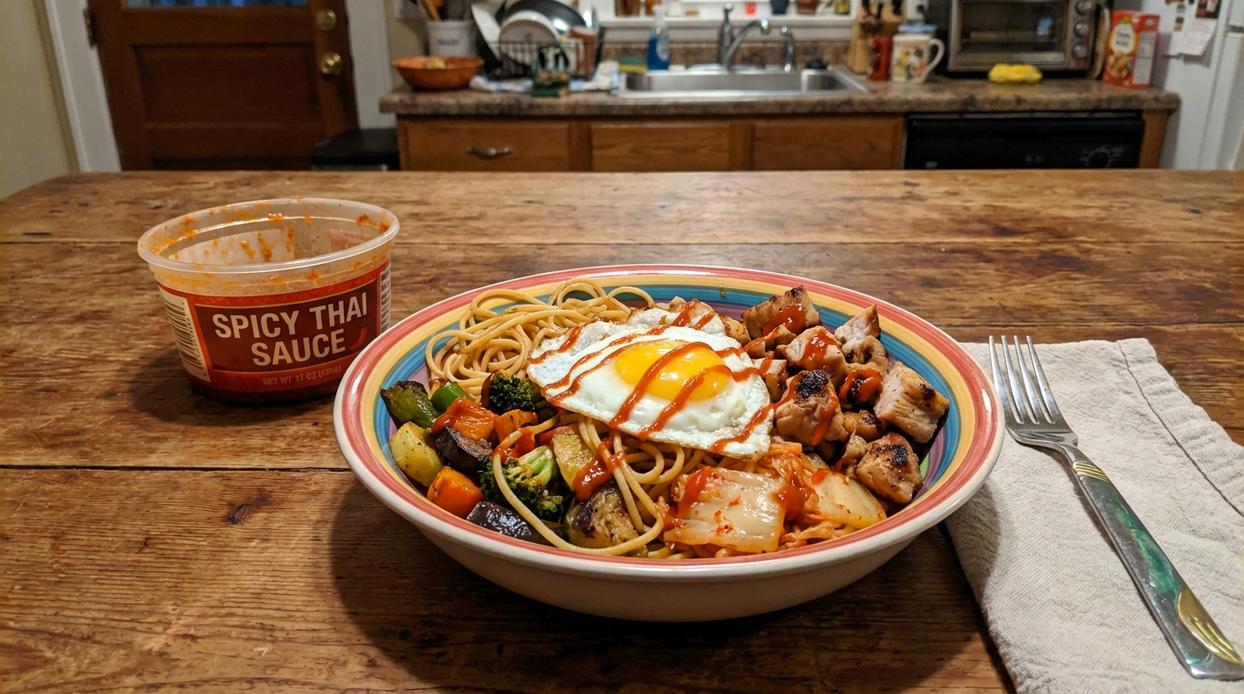
Combine leftover mashed potatoes with seasoned taco meat, spread in a baking dish, and top with cheese. Bake until golden and bubbling. It’s hearty, flexible, and honestly I can’t promise the spice balance will be perfect every time—taste and adjust.
Mediterranean Fried Rice:
Sauté leftover rice with olive oil, toss in roasted vegetables, olives, and feta. The salty bite transforms simple grains. Some argue fried rice should stay Asian-inspired, but fusion cooking evolves (even if purists cringe).
BBQ Chicken Naan Pizza:
Spread naan with BBQ sauce, top with shredded chicken and red onion, bake ten minutes. It may not be authentic pizza, yet it saves money and time.
These leftover fusion meals stretch ingredients without strict rules. Pro tip: keep a running list of odds and ends. Honestly, experimentation carries risk, but dinner shouldn’t feel like a lab.
Tonight, I dare you to see your fridge differently. You now have a complete framework for transforming everyday leftovers into exciting, globally-inspired meals. I genuinely believe this shift is a game changer. Some people argue that strict recipes are safer, that creativity leads to kitchen chaos. I disagree. The Frugal Fusion method works because it is flexible, not rigid, giving you control. Say goodbye to food waste and monotonous dinners. Freedom tastes better. Open your fridge, find one grain and one protein, and craft leftover fusion meals that surprise you. Trust your instincts and enjoy the adventure. Start tonight, seriously.
Make Every Meal Stretch Further
You came here looking for smarter ways to cook well without overspending — and now you have practical strategies to do exactly that. From creative ingredient swaps to smarter prep routines and leftover fusion meals, you’ve seen how budget-friendly cooking doesn’t mean sacrificing flavor or variety.
Stretching your grocery budget can feel overwhelming, especially when prices keep rising and time is limited. But with the right approach, you can turn simple ingredients into exciting meals, reduce waste, and finally stop wondering where your food money went.
Now it’s time to put it into action. Start by planning this week’s meals around what you already have, experiment with one new fusion idea, and prep ahead to save both time and cash. If you’re ready for more practical, proven ways to cut food costs without cutting flavor, explore our budget-friendly meal plans and kitchen hacks today. Thousands of savvy home cooks are already transforming their kitchens — join them and start saving smarter now.
 Marketing & Communications Specialist
Kimberly Morrisoilers writes the kind of low-cost culinary exploration content that people actually send to each other. Not because it's flashy or controversial, but because it's the sort of thing where you read it and immediately think of three people who need to see it. Kimberly has a talent for identifying the questions that a lot of people have but haven't quite figured out how to articulate yet — and then answering them properly.
They covers a lot of ground: Low-Cost Culinary Exploration, Meal Prep Hacks on a Budget, Helpful Reads, and plenty of adjacent territory that doesn't always get treated with the same seriousness. The consistency across all of it is a certain kind of respect for the reader. Kimberly doesn't assume people are stupid, and they doesn't assume they know everything either. They writes for someone who is genuinely trying to figure something out — because that's usually who's actually reading. That assumption shapes everything from how they structures an explanation to how much background they includes before getting to the point.
Beyond the practical stuff, there's something in Kimberly's writing that reflects a real investment in the subject — not performed enthusiasm, but the kind of sustained interest that produces insight over time. They has been paying attention to low-cost culinary exploration long enough that they notices things a more casual observer would miss. That depth shows up in the work in ways that are hard to fake.
Marketing & Communications Specialist
Kimberly Morrisoilers writes the kind of low-cost culinary exploration content that people actually send to each other. Not because it's flashy or controversial, but because it's the sort of thing where you read it and immediately think of three people who need to see it. Kimberly has a talent for identifying the questions that a lot of people have but haven't quite figured out how to articulate yet — and then answering them properly.
They covers a lot of ground: Low-Cost Culinary Exploration, Meal Prep Hacks on a Budget, Helpful Reads, and plenty of adjacent territory that doesn't always get treated with the same seriousness. The consistency across all of it is a certain kind of respect for the reader. Kimberly doesn't assume people are stupid, and they doesn't assume they know everything either. They writes for someone who is genuinely trying to figure something out — because that's usually who's actually reading. That assumption shapes everything from how they structures an explanation to how much background they includes before getting to the point.
Beyond the practical stuff, there's something in Kimberly's writing that reflects a real investment in the subject — not performed enthusiasm, but the kind of sustained interest that produces insight over time. They has been paying attention to low-cost culinary exploration long enough that they notices things a more casual observer would miss. That depth shows up in the work in ways that are hard to fake.