
Eating well on a tight budget can feel overwhelming—especially when grocery prices keep rising and inspiration runs low. If you’re searching for practical ways to stretch your dollars without sacrificing flavor, this article is designed for you. We’ll explore smart strategies for creating affordable, exciting meals at home, from low-cost ingredient swaps to creative meal prep systems that save both time and money.
You’ll discover how to turn everyday staples into balanced fusion dishes that combine global flavors with budget-friendly ingredients. We focus on practical, real-world techniques that are tested in everyday kitchens—meals that are affordable, adaptable, and genuinely satisfying.
Our guidance is rooted in hands-on culinary experimentation, cost analysis of common grocery items, and proven meal planning methods that reduce waste and maximize flavor. By the end, you’ll have clear, actionable ideas to cook creatively, spend wisely, and make every meal feel like a win for both your taste buds and your wallet.
Tired of bland dinners, I once assumed international cooking required specialty stores and pricey spices. I was wrong. After a few overcomplicated curries and a smoky kitchen disaster, I learned three lessons.
- Start with familiar staples—rice, beans, eggs—and layer one new spice at a time.
- Borrow techniques, not entire recipes; for example, stir-fry budget veggies with Mexican-inspired cumin and soy sauce.
- Balance nutrition by pairing protein, fiber, and color.
Admittedly, some argue fusion dilutes tradition. However, balanced fusion dishes can respect roots while saving money. Ultimately, flavor thrives on creativity, not cost. And simplicity keeps weeknights stress-free and affordable too.
Why Fusion Cooking is Your Secret Weapon for Saving Money
I used to think fusion meant complicated recipes and expensive specialty stores. I once bought five different sauces for a “global” dinner party and used each exactly once (my wallet still remembers). The lesson? Fusion isn’t about fancy restaurants; it’s about smart cooking. It’s the ultimate “use what you have” strategy.
When I started treating leftovers like building blocks, everything changed. That half-jar of salsa can anchor a shakshuka-style egg dish. Leftover rice becomes a soy sauce–sesame oil bowl with a fried egg. Fewer scraps, fewer regrets.
I also learned inexpensive staples shine with the right twist. A Thai-inspired peanut sauce can transform plain pasta or lentils into something crave-worthy. These are balanced fusion dishes—simple bases plus bold flavors.
The biggest mistake? Overbuying niche ingredients. Now I stick to versatile “bridge” items like coconut milk, gochujang, or canned chipotles. They stretch across cuisines, cut waste, and keep grocery bills grounded (which is the real win).
The Core Principles of Flavorful, Balanced Fusion
Harmonious fusion follows a few simple rules. It’s not about randomly mixing things; it’s about creating balance. In fact, research shows that diners consistently rate meals higher when flavors feel balanced rather than dominated by one taste (Journal of Sensory Studies, 2019). That’s not culinary snobbery—that’s science.
Principle 1: The Flavor Compass
Every great dish balances key tastes. Think of this as your internal GPS for flavor (because getting lost in too much chili is a real thing).
- Sweet (honey, maple syrup, mirin) tempers heat or sharp acidity. A drizzle of honey in a spicy chipotle sauce softens the burn without muting it.
- Sour (lime juice, vinegar, yogurt) cuts through richness. A squeeze of lime over coconut curry keeps it lively instead of heavy.
- Salty (soy sauce, miso, feta) enhances overall flavor by amplifying aroma compounds (Harvard T.H. Chan School of Public Health, 2023).
- Spicy (chili flakes, sriracha, ginger) adds warmth and excitement—measured heat increases perceived flavor intensity.
- Umami (mushrooms, tomato paste, nutritional yeast) adds savory depth thanks to naturally occurring glutamates.
When these elements work together, balanced fusion dishes feel intentional—not chaotic.
Principle 2: The Texture Trio
Flavor matters, but texture seals the deal. Studies show contrast in texture increases satisfaction and fullness perception (Appetite Journal, 2020).
- The Crunch: toasted nuts, crispy onions, raw cabbage slaw.
- The Creamy: avocado, coconut milk sauce, a dollop of yogurt.
- The Chew: al dente pasta, hearty grains like farro, baked tofu.
For example, a Thai-inspired peanut noodle bowl with shredded cabbage and creamy sauce hits all three. (Pro tip: add crunch last to keep it crisp.)
Principle 3: The Protein Bridge
Use a neutral, affordable protein as your canvas. Chicken, lentils, chickpeas, eggs, and tofu adapt beautifully across cuisines. Lentils can anchor a curry-spiced shepherd’s pie, while tofu absorbs teriyaki or chimichurri with equal ease. This flexibility is key when learning how to combine cuisines creatively without overspending.
Some argue fusion dilutes tradition. Yet culinary history tells a different story—many “classic” dishes, from tomato-based Italian sauces to bánh mì, evolved through cultural exchange. Fusion isn’t confusion; it’s collaboration on a plate.
Three Easy, Low-Cost Fusion Recipes to Try This Week
If you shop at places like Aldi, Grocery Outlet, or your neighborhood ethnic market, you already know the secret: bold flavor doesn’t require a big receipt. These recipes lean on pantry staples, smart swaps, and what chefs call cross-utilization (using the same ingredient across multiple dishes to cut waste). Think of them as practical, balanced fusion dishes in the section once exactly as it is given—meant for real weeknights, not just Instagram.
1. Kimchi & Black Bean Quesadillas
Kimchi—fermented Napa cabbage packed with probiotics (Harvard Health notes fermented foods may support gut health)—brings tang and heat to budget-friendly black beans and shredded mozzarella. Spread canned black beans on a tortilla, top with chopped kimchi, sprinkle cheese, and toast in a skillet until crisp.
Stir plain yogurt with a spoonful of gochujang (a Korean chili paste made from fermented soybeans and rice) for a creamy dip that tastes way fancier than it costs. In cities like LA or Houston, you can grab a solid jar of kimchi for under $6 at H Mart or local Asian grocers, stretching across multiple meals. Cost per serving? Under $3 (yes, really).
2. Curried Coconut Lentil Soup with Italian Croutons
Canned lentils, curry powder, garlic, and a can of coconut milk form the backbone of this cozy hybrid. Lentils are one of the most affordable protein sources available (USDA data consistently ranks them among the cheapest per gram of protein). Simmer everything with vegetable broth until thick and fragrant.
Instead of naan, cube stale bread, toss with olive oil, dried oregano, and garlic powder, then bake until crisp. It’s the same technique many Italian kitchens use to rescue day-old bread (nothing wasted). The croutons soak up the spiced coconut broth beautifully. Pro tip: Bloom your curry powder in oil for 30 seconds before adding liquid—it deepens the flavor dramatically.
3. Greek-Inspired Orzo with Miso-Lemon Vinaigrette
Cook orzo until al dente, then toss with chickpeas, diced cucumber, cherry tomatoes, and crumbled feta. The twist? Whisk lemon juice, olive oil, and a teaspoon of white miso—a mild Japanese fermented soybean paste rich in umami (the savory “fifth taste,” identified by chemist Kikunae Ikeda)—for the dressing.
The miso amplifies the feta’s saltiness without overpowering the fresh vegetables (like a culinary cameo that steals the scene). It meal-preps beautifully for weekday lunches, especially if your office breakroom fridge runs cold.
Your Frugal Fusion Pantry & Meal Prep Strategy
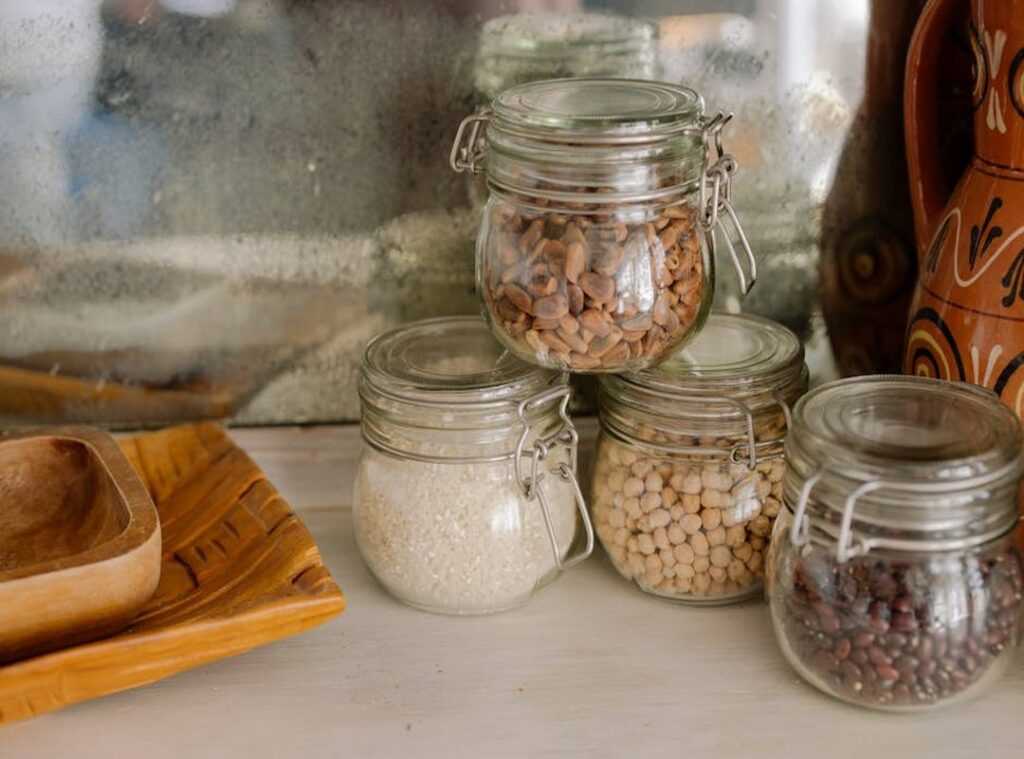
Tired of staring into your fridge with zero inspiration? Same. Stock five budget “bridge” ingredients: canned coconut milk, soy sauce, canned tomatoes, limes, and chili paste like sriracha or sambal oelek. They transform leftovers into balanced fusion dishes fast on busy nights.
Last winter, I stared at bland bowl of rice and thought, there has to be than this. That frustration changed everything. I began mixing spices, beans, and sauces into balanced fusion dishes that felt exciting, not expensive.
• Pick one recipe.
• Use what you have.
• Taste, tweak, repeat.
Make Your Budget Work Harder in the Kitchen
You came here looking for smarter ways to enjoy flavorful meals without stretching your budget too thin. Now you have practical strategies to explore new tastes, plan ahead, and create satisfying meals that don’t drain your wallet.
Sticking to a tight grocery budget can feel limiting and repetitive. But with a little creativity, simple meal prep systems, and thoughtfully crafted balanced fusion dishes, you can turn affordable ingredients into exciting, crave-worthy plates that keep both your taste buds and your bank account happy.
The next step is simple: pick one new fusion-inspired recipe this week, plan your ingredients around sales, and batch-prep to save time and money. Small, consistent changes add up fast.
If you’re ready to stop overspending on food and start cooking smarter, explore more budget-friendly recipes and meal prep hacks today. Join thousands of savvy home cooks who are already stretching their dollars further while eating better. Start now and make every meal count.
 Marketing & Communications Specialist
Kimberly Morrisoilers writes the kind of low-cost culinary exploration content that people actually send to each other. Not because it's flashy or controversial, but because it's the sort of thing where you read it and immediately think of three people who need to see it. Kimberly has a talent for identifying the questions that a lot of people have but haven't quite figured out how to articulate yet — and then answering them properly.
They covers a lot of ground: Low-Cost Culinary Exploration, Meal Prep Hacks on a Budget, Helpful Reads, and plenty of adjacent territory that doesn't always get treated with the same seriousness. The consistency across all of it is a certain kind of respect for the reader. Kimberly doesn't assume people are stupid, and they doesn't assume they know everything either. They writes for someone who is genuinely trying to figure something out — because that's usually who's actually reading. That assumption shapes everything from how they structures an explanation to how much background they includes before getting to the point.
Beyond the practical stuff, there's something in Kimberly's writing that reflects a real investment in the subject — not performed enthusiasm, but the kind of sustained interest that produces insight over time. They has been paying attention to low-cost culinary exploration long enough that they notices things a more casual observer would miss. That depth shows up in the work in ways that are hard to fake.
Marketing & Communications Specialist
Kimberly Morrisoilers writes the kind of low-cost culinary exploration content that people actually send to each other. Not because it's flashy or controversial, but because it's the sort of thing where you read it and immediately think of three people who need to see it. Kimberly has a talent for identifying the questions that a lot of people have but haven't quite figured out how to articulate yet — and then answering them properly.
They covers a lot of ground: Low-Cost Culinary Exploration, Meal Prep Hacks on a Budget, Helpful Reads, and plenty of adjacent territory that doesn't always get treated with the same seriousness. The consistency across all of it is a certain kind of respect for the reader. Kimberly doesn't assume people are stupid, and they doesn't assume they know everything either. They writes for someone who is genuinely trying to figure something out — because that's usually who's actually reading. That assumption shapes everything from how they structures an explanation to how much background they includes before getting to the point.
Beyond the practical stuff, there's something in Kimberly's writing that reflects a real investment in the subject — not performed enthusiasm, but the kind of sustained interest that produces insight over time. They has been paying attention to low-cost culinary exploration long enough that they notices things a more casual observer would miss. That depth shows up in the work in ways that are hard to fake.