Eating well on a budget shouldn’t mean sacrificing flavor, variety, or nutrition. If you’re searching for practical ways to stretch your grocery dollars while still creating satisfying, balanced meals, you’re in the right place. This article is designed to help you combine smart spending with smart eating—showing you how to build affordable meals that support your goals without overcomplicating your routine.
We’ll break down how understanding macronutrients can transform the way you shop, cook, and meal prep, making it easier to create filling dishes from low-cost ingredients. You’ll discover simple frugal fusion ideas, budget-friendly swaps, and efficient meal prep strategies that save both time and money.
Our approach is grounded in practical experience, careful cost comparisons, and real-world kitchen testing to ensure every tip is realistic and sustainable. Whether you’re feeding a family or cooking for one, you’ll find actionable guidance to help you eat well for less—without feeling deprived.
Think your health lives in a bottle? Think again. Your plate does more heavy lifting than any supplement aisle. A balanced diet simply means getting the right mix of macronutrients—protein, carbohydrates, and fats—and micronutrients like vitamins and minerals your body needs in small amounts. Fortunately, you don’t need acai flown in from Bali. Beans, rice, eggs, oats, frozen vegetables—these everyday staples cover the basics without wrecking your budget. In fact, understanding macronutrients turns grocery shopping into strategy, not guesswork. It’s less Marvel superhero serum, more steady, everyday fuel. Start simple, build consistently, and let real food do the work daily.
The “Big Three”: Mastering Macronutrients on a Budget
Before you can eat well for less, it helps to know what you’re actually buying. The three macronutrients—protein, fats, and carbohydrates—are the nutrients your body needs in large amounts for energy and basic function. Protein supports muscle repair and immune health, fats regulate hormones and help absorb vitamins like A, D, E, and K, and carbohydrates act as your body’s preferred fuel source (Harvard T.H. Chan School of Public Health). In short, understanding macronutrients means understanding how to fuel your body without wasting money.
Protein Power Without the Price Tag
Sure, steak is high in protein—but so are lentils, beans, eggs, and canned tuna, often at a fraction of the cost. For example, a pound of dried beans can provide multiple servings for just a few dollars. Combine rice and beans to form a “complete protein,” meaning they provide all nine essential amino acids your body can’t produce on its own (U.S. National Library of Medicine). Some argue plant proteins aren’t “as good” as animal sources. However, when combined strategically, they’re nutritionally comparable—and far cheaper.
Smart Carbs for Sustained Energy
Not all carbs are equal. Complex carbohydrates like oats, brown rice, and potatoes digest slowly, providing steady energy. In contrast, simple carbs (think pastries or soda) spike blood sugar quickly. Buying grains in bulk lowers cost per serving significantly (USDA data consistently shows bulk grains as among the cheapest calorie sources).
Healthy Fats That Don’t Drain Your Wallet
Meanwhile, fats aren’t the villain they were once made out to be. Olive oil, sunflower seeds, and peanuts support heart health when eaten in moderation (American Heart Association). Buying from bulk bins stretches your dollar further.
Looking ahead, grocery inflation may continue pushing shoppers toward plant-based proteins and bulk staples—a trend that’s likely to grow as more households prioritize value (speculation, but signs point that way). (Honestly, rice and beans might become the new celebrity superfood.)
Micronutrients: Your Body’s Unsung Heroes

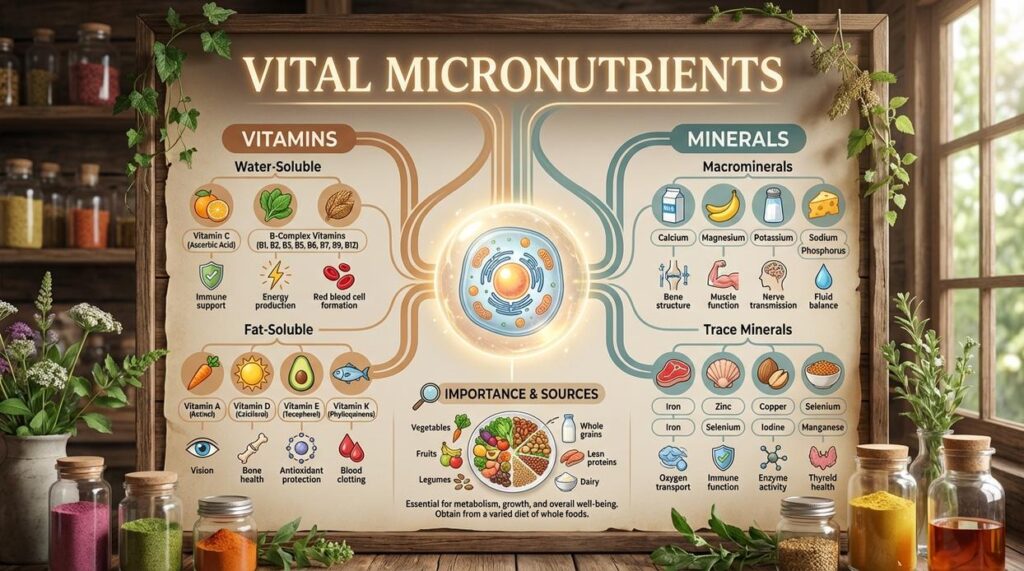
Calories get all the attention. Protein trends on TikTok. Carbs get blamed for everything. But micronutrients—vitamins and minerals your body needs in small amounts—are the real behind-the-scenes crew. Think of them as the spark plugs in your engine. Without them, nothing runs smoothly (and yes, that includes your brain on Monday morning).
While understanding macronutrients helps you manage energy and fullness, micronutrients power immunity, bone strength, wound healing, and even mood regulation. For example, vitamin C supports immune defense, iron carries oxygen in your blood, and magnesium aids muscle and nerve function (National Institutes of Health, https://ods.od.nih.gov).
So what should you actually do?
First, eat the rainbow—frugally. Different colors signal different nutrients. Orange carrots deliver beta-carotene. Dark leafy spinach offers iron and folate. Purple cabbage contains anthocyanins, powerful antioxidants. Instead of buying everything at once, choose seasonal produce. It’s cheaper because it’s abundant—and often more nutrient-dense since it’s harvested at peak ripeness.
Next, embrace the freezer aisle. Contrary to popular belief, frozen fruits and vegetables are picked and flash-frozen at peak freshness, locking in nutrients (Harvard T.H. Chan School of Public Health, https://www.hsph.harvard.edu/nutritionsource/vitamins/). They’re typically less expensive and reduce food waste. (No more guilt over slimy spinach.)
Finally, stock budget-friendly powerhouses: bananas for potassium, onions for antioxidants, cabbage for vitamin K, carrots for vitamin A, and spinach for, well, almost everything.
Pro tip: Build meals around two vegetables instead of one—you’ll double your micronutrient coverage without doubling your cost.
The Meal Prep Hack: Your Secret to Consistent Nutrition
Why Planning Is Everything
Meal prep isn’t just a Pinterest trend—it’s a proven strategy. Research from the International Journal of Behavioral Nutrition and Physical Activity found that people who plan meals are more likely to have higher diet quality and lower obesity rates (Ducrot et al., 2017). Planning removes guesswork, which means fewer drive-thru decisions at 7 p.m. when you’re exhausted (we’ve all been there).
The “Cook Once, Eat Thrice” Method
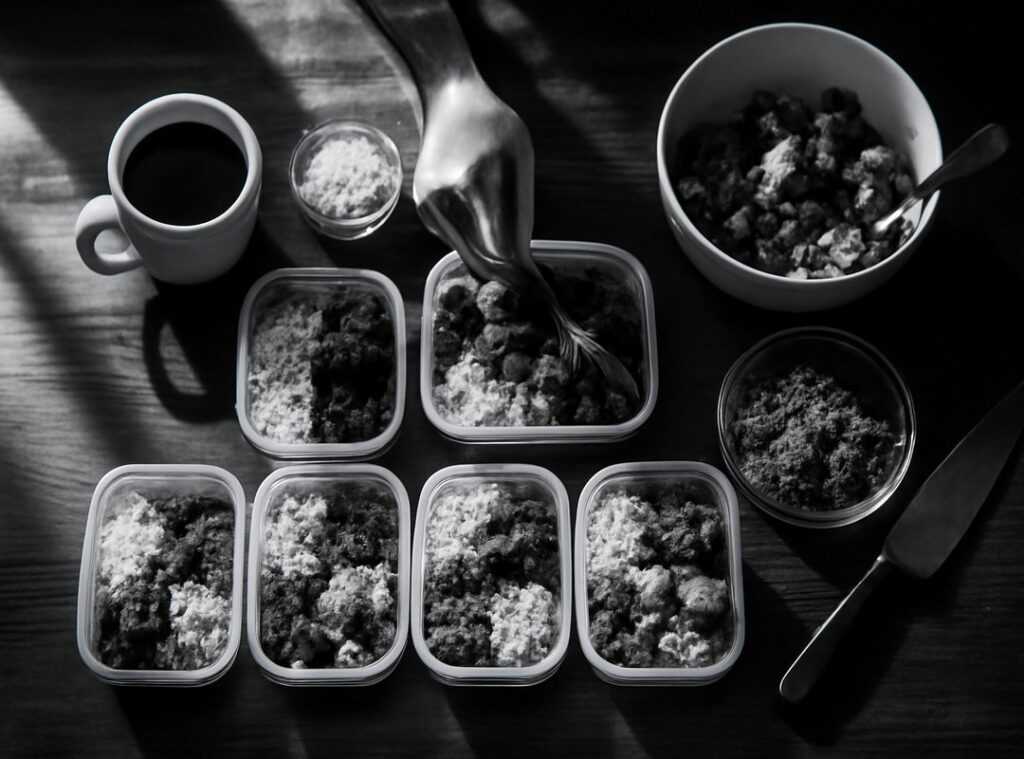
Keep it simple: batch cook one grain (quinoa), one protein (chicken or chickpeas), and one large tray of roasted vegetables. This formula covers the basics of understanding macronutrients—carbohydrates for energy, protein for muscle repair, and fats (add olive oil or avocado) for satiety. Pro tip: season each component lightly so you can remix flavors later.
Building Your Meals
On Monday, make a grain bowl. Wednesday? Toss everything onto greens for a hearty salad. Friday, stir leftovers into broth for a quick soup. Same ingredients, different vibe (think culinary remix, not leftovers).
Avoiding the Takeout Trap
Americans spend over $3,500 annually on dining out (BLS, 2023). Having ready-to-eat meals cuts costs and boosts nutrition. Pair this with learning how to read food labels and spot hidden costs to stretch your budget even further.
Frugal Fusion: Making Healthy Food Delicious
Budget food gets a bad rap: rice and beans again, or takeout splurge? A vs. B is simple—bland routine drains motivation, while small flavor upgrades keep meals exciting. First, beat flavor fatigue by rotating spices instead of ingredients. A $10 spice refresh—cumin, smoked paprika, curry powder—can transform lentils from plain to Moroccan-inspired in minutes. Meanwhile, one can of chickpeas shifts lanes easily: curry (warm and saucy), hummus (creamy and bright), or spicy roasted snacks (crunchy and bold). Same base, different vibe. Add understanding macronutrients and you’re fueling well, too (your wallet sighs in relief). Think of it as a pantry remix—Top Chef, but frugal.
Building an affordable, balanced diet starts with understanding macronutrients—the proteins, carbohydrates, and fats your body needs daily. When you know what fuels you, you stop overspending on gimmicks and start buying with purpose. You don’t have to choose between your health and your budget.
Focus on affordable whole foods like oats, beans, eggs, and rice; add frozen vegetables (picked at peak ripeness) for consistent nutrients at lower cost. Smart meal prep stretches ingredients further and reduces waste.
- Batch-cook one grain this week and build three meals from it.
Small, practical steps create lasting change without straining your wallet today.
Make Every Bite Count Without Overspending
You wanted to learn how to fuel your body without draining your wallet — and now you have the tools to do exactly that. From smarter grocery strategies to meal prep efficiency and understanding macronutrients, you’re better equipped to stretch every dollar while still eating balanced, satisfying meals.
The truth is, eating well on a budget can feel overwhelming. Rising food costs, confusing nutrition advice, and time constraints make it harder than it should be. But with the right approach, you can plan intentionally, shop strategically, and cook creatively without sacrificing flavor or nutrition.
Now it’s time to put this into action. Start by planning your next week of meals using what you’ve learned. Build your grocery list around balanced macros, affordable staples, and simple prep strategies.
If you’re tired of overspending at the store and still feeling unprepared at mealtime, we’re here to help. Join thousands of budget-conscious home cooks who rely on our proven, practical tips to save money and eat well. Explore more guides, try a new frugal fusion recipe, and start transforming your kitchen today.
 Operations Manager
Hilary Jamesuels writes the kind of helpful reads content that people actually send to each other. Not because it's flashy or controversial, but because it's the sort of thing where you read it and immediately think of three people who need to see it. Hilary has a talent for identifying the questions that a lot of people have but haven't quite figured out how to articulate yet — and then answering them properly.
They covers a lot of ground: Helpful Reads, Frugal Fusion Cuisine, Meal Prep Hacks on a Budget, and plenty of adjacent territory that doesn't always get treated with the same seriousness. The consistency across all of it is a certain kind of respect for the reader. Hilary doesn't assume people are stupid, and they doesn't assume they know everything either. They writes for someone who is genuinely trying to figure something out — because that's usually who's actually reading. That assumption shapes everything from how they structures an explanation to how much background they includes before getting to the point.
Beyond the practical stuff, there's something in Hilary's writing that reflects a real investment in the subject — not performed enthusiasm, but the kind of sustained interest that produces insight over time. They has been paying attention to helpful reads long enough that they notices things a more casual observer would miss. That depth shows up in the work in ways that are hard to fake.
Operations Manager
Hilary Jamesuels writes the kind of helpful reads content that people actually send to each other. Not because it's flashy or controversial, but because it's the sort of thing where you read it and immediately think of three people who need to see it. Hilary has a talent for identifying the questions that a lot of people have but haven't quite figured out how to articulate yet — and then answering them properly.
They covers a lot of ground: Helpful Reads, Frugal Fusion Cuisine, Meal Prep Hacks on a Budget, and plenty of adjacent territory that doesn't always get treated with the same seriousness. The consistency across all of it is a certain kind of respect for the reader. Hilary doesn't assume people are stupid, and they doesn't assume they know everything either. They writes for someone who is genuinely trying to figure something out — because that's usually who's actually reading. That assumption shapes everything from how they structures an explanation to how much background they includes before getting to the point.
Beyond the practical stuff, there's something in Hilary's writing that reflects a real investment in the subject — not performed enthusiasm, but the kind of sustained interest that produces insight over time. They has been paying attention to helpful reads long enough that they notices things a more casual observer would miss. That depth shows up in the work in ways that are hard to fake.