Eating well on a tight budget shouldn’t feel overwhelming. If you’re searching for practical ways to cut grocery costs, cook flavorful meals at home, and make the most of every ingredient, you’re in the right place. This article is designed to help you stretch your food budget without sacrificing taste, variety, or nutrition.
We’ve analyzed proven frugal cooking strategies, budget-friendly ingredient swaps, and efficient meal prep systems that actually work in real kitchens. Drawing from hands-on culinary experience and tested cost-saving methods, we focus on realistic techniques you can apply immediately.
Inside, you’ll discover smart shopping habits, creative leftover transformations, affordable flavor-boosting ideas, and money saving kitchen skills that reduce waste while maximizing every dollar. Whether you’re feeding a family or cooking for one, this guide will show you how to build satisfying meals, explore new flavors, and stay confidently within your budget.
Transform your grocery bill without sacrificing flavor sounds impossible, right? I used to think so when my cart totals crept past my budget every month. Start with an anecdote about Sunday night pasta: I learned that browning tomato paste until brick-red deepens flavor (it smells smoky) and costs nothing extra. That tiny tweak sparked my obsession with money saving kitchen skills. Instead of clipping endless coupons, I batch-cook beans, toast spices to “wake them up,” and stretch roast chicken into three meals. Flavor is technique, not price. Try one method tonight and taste the difference. You’ll thank yourself tomorrow financially.
Mastering “Ingredient Stretching”: Make One Purchase Work All Week
First, let’s clarify what “ingredient stretching” actually means. It’s the practice of buying one versatile, low-cost ingredient—usually a protein—and turning it into multiple distinct meals. In simple terms, you cook once but eat differently all week. Think of it as culinary shape-shifting (yes, your chicken has range).
For example, start with a whole chicken. On Day 1, roast it for a classic dinner with vegetables. On Day 2, shred the leftover meat for tacos, sandwiches, or a quick stir-fry. By Day 3, simmer the carcass with water and scraps to create a rich, homemade broth for soup. One purchase, three meals, zero boredom.
Some people argue this sounds repetitive. Fair point. However, the key is changing flavors and formats. Tacos taste nothing like roast chicken, even if the base is the same.
Vegetable stretching works the same way. Broccoli stems can be sliced into slaw. Potato peels roast into crispy snacks. Carrot tops blend into pesto. Instead of trash, you get bonus ingredients.
Ultimately, this approach builds practical money saving kitchen skills while minimizing waste. Pro tip: plan your three meals before you shop so every part has a purpose. It’s less “leftovers,” more strategy.
The “Flavor Bomb” Method: Big Taste from Small Investments
Beans, rice, and pasta are among the cheapest calories on the planet. The USDA reports that dried beans average under $2 per pound and provide multiple servings of protein and fiber. Yet affordability often gets mistaken for blandness.
That’s where flavor bombs come in—small, concentrated ingredients that dramatically enhance taste without dramatically increasing cost.
Your Frugal Flavor Toolkit
Acids like apple cider vinegar or lemon juice brighten heavy dishes. Just a teaspoon can balance a whole pot of beans (chefs call this “lifting” a dish).
Umami—the savory “fifth taste” identified by scientists in 1908—adds depth. Ingredients like soy sauce, miso, and tomato paste contain naturally occurring glutamates that intensify flavor (Journal of Food Science, 2013).
Spices & herbs deliver the biggest return on investment. Buying whole cumin or coriander from bulk bins can cost 50% less than supermarket jars. Fresh basil on a windowsill? Pennies per serving.
Some argue that pre-made sauces save time. Fair. But a bottled sauce often costs $4–$6 and contains added sugar or sodium. A homemade vinaigrette—oil, vinegar, mustard—costs mere cents per serving.
Mastering these money saving kitchen skills means combining acid, salt, and umami into quick marinades or finishing sauces. It’s culinary alchemy (minus the wizard hat). Small inputs. Big flavor payoff.
Strategic Batch Cooking: Go Beyond Basic Meal Prep
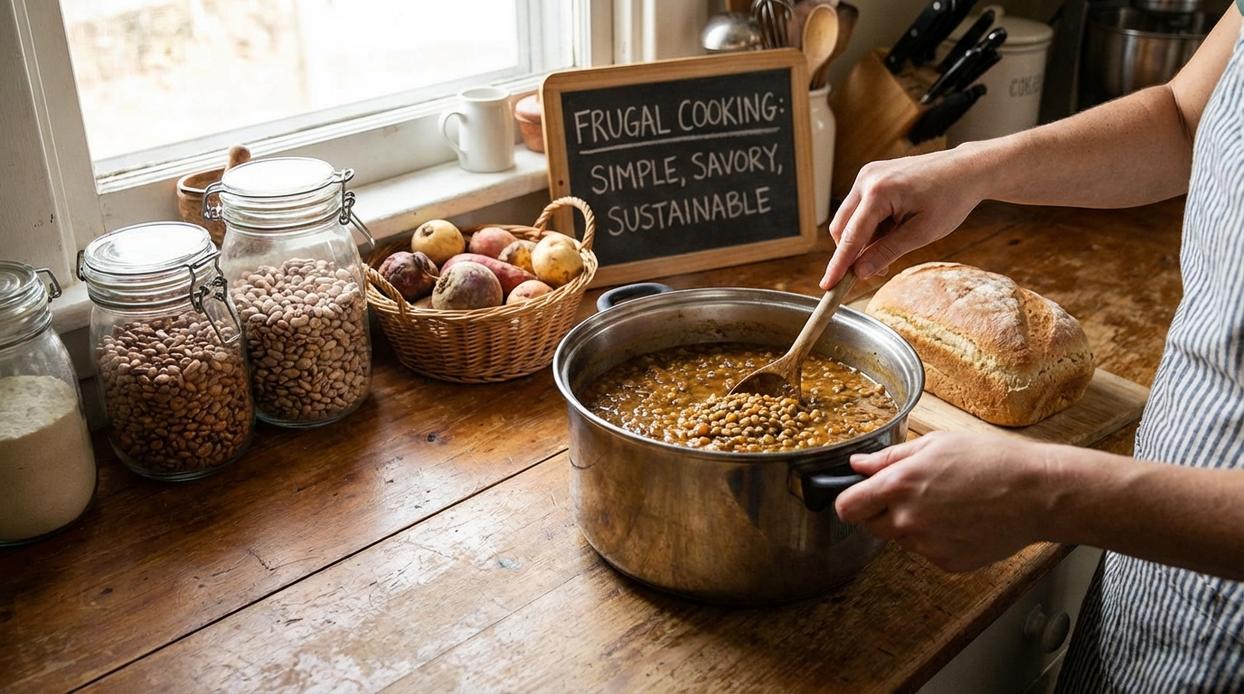
The Next Level of Prep
Here’s a contrarian take: cooking five identical meals for the week isn’t efficient—it’s uninspired. Yes, traditional meal prep saves time. But by Wednesday, that same chicken, rice, and broccoli combo feels like culinary déjà vu (and not in a good way). Flavor fatigue is real—the boredom that makes you abandon your plan and order takeout.
Instead, think in components. Cook once, combine differently.
Component Prep List:
- Grains: Prepare quinoa, rice, or farro as flexible bases.
- Vegetables: Roast a tray of onions, peppers, and broccoli for salads, wraps, or omelets.
- Sauces: Blend a vinaigrette or simmer a simple tomato sauce.
- Proteins: Batch-cook lentils or grill chicken breasts.
At first glance, this may seem like more work. However, it actually builds freedom into your week. A grain bowl on Monday becomes a stuffed wrap on Tuesday and a hearty soup on Wednesday.
Some argue full pre-made meals reduce decision fatigue. Fair point. Yet variety keeps you consistent longer (and consistency saves more money than perfection).
As you experiment, tie choices back to understanding macronutrients without complicated diet rules so your mix-and-match meals stay balanced.
Pro tip: versatile sauces stretch ingredients further—true money saving kitchen skills in action.
Embrace “Frugal Fusion”: Cross-Cultural Cooking on a Dime”
Frugal Fusion is the art of combining low-cost staples from one cuisine with bold flavors from another to create something new, satisfying, and budget-friendly. Think of it as culinary remixing (like a great DJ set, but edible). The benefit? You expand your meal options without expanding your grocery bill.
Here’s how it works in real life:
- Use inexpensive corn tortillas as a base for mini pizzas with Italian toppings.
- Fill affordable spring roll wrappers with spiced lentils and potatoes for a samosa-style snack.
- Top plain ramen (ditch the flavor packet) with leftover chili or pulled pork.
Instead of buying specialty ingredients for every cuisine, you rely on versatile, low-cost basics available at any supermarket. According to the USDA, grains and legumes consistently rank among the most economical sources of calories and nutrients, making them ideal foundations for creative meals.
What’s in it for you? More variety, less boredom, and better money saving kitchen skills that stretch every dollar. You’ll waste less food, repurpose leftovers, and build confidence experimenting with flavors. Why settle for repetitive budget meals when you can turn pantry staples into something exciting?
Frugal Fusion proves that eating well on less isn’t restrictive—it’s resourceful.
Start Cooking Smarter, Not Harder, Today
You don’t need a celebrity-chef pantry or a TikTok-famous gadget to win at dinner. You need strategy. Think of it like a Rocky training montage, but for your fridge. The goal isn’t restriction; it’s resourcefulness.
• Stretch proteins with beans or lentils
• Turn leftovers into next-day remixes (fried rice, soups, wraps)
These money saving kitchen skills focus on value, waste reduction, and flavor layering with low-cost staples. Skeptics say frugal cooking is boring. Yet history—from wartime rationing to modern meal-prep trends—proves constraints spark creativity. Pick one tactic this week and watch your grocery bill shrink.
Keep More Money on Your Plate and in Your Pocket
You came here looking for practical ways to stretch your grocery budget without sacrificing flavor or variety—and now you have them. From smarter meal prep strategies to creative ingredient swaps and frugal fusion ideas, you’ve seen how small shifts in the kitchen can lead to real savings.
The truth is, rising food costs make it harder than ever to stay on budget. Wasted ingredients, takeout temptations, and lack of planning quietly drain your wallet. But with the right money saving kitchen skills, you can take control, cook confidently, and make every dollar work harder for you.
Now it’s time to put this into action. Start by planning your next week of meals, repurposing what’s already in your pantry, and trying one new low-cost recipe that stretches ingredients further. Small steps compound quickly.
If you’re ready to cut grocery bills, reduce waste, and still enjoy exciting, satisfying meals, explore more of our proven budget-friendly tips and meal prep hacks today. Join thousands of savvy home cooks who are already transforming the way they shop, cook, and save—start now and see the difference in your next grocery receipt.
 Marketing & Communications Specialist
Kimberly Morrisoilers writes the kind of low-cost culinary exploration content that people actually send to each other. Not because it's flashy or controversial, but because it's the sort of thing where you read it and immediately think of three people who need to see it. Kimberly has a talent for identifying the questions that a lot of people have but haven't quite figured out how to articulate yet — and then answering them properly.
They covers a lot of ground: Low-Cost Culinary Exploration, Meal Prep Hacks on a Budget, Helpful Reads, and plenty of adjacent territory that doesn't always get treated with the same seriousness. The consistency across all of it is a certain kind of respect for the reader. Kimberly doesn't assume people are stupid, and they doesn't assume they know everything either. They writes for someone who is genuinely trying to figure something out — because that's usually who's actually reading. That assumption shapes everything from how they structures an explanation to how much background they includes before getting to the point.
Beyond the practical stuff, there's something in Kimberly's writing that reflects a real investment in the subject — not performed enthusiasm, but the kind of sustained interest that produces insight over time. They has been paying attention to low-cost culinary exploration long enough that they notices things a more casual observer would miss. That depth shows up in the work in ways that are hard to fake.
Marketing & Communications Specialist
Kimberly Morrisoilers writes the kind of low-cost culinary exploration content that people actually send to each other. Not because it's flashy or controversial, but because it's the sort of thing where you read it and immediately think of three people who need to see it. Kimberly has a talent for identifying the questions that a lot of people have but haven't quite figured out how to articulate yet — and then answering them properly.
They covers a lot of ground: Low-Cost Culinary Exploration, Meal Prep Hacks on a Budget, Helpful Reads, and plenty of adjacent territory that doesn't always get treated with the same seriousness. The consistency across all of it is a certain kind of respect for the reader. Kimberly doesn't assume people are stupid, and they doesn't assume they know everything either. They writes for someone who is genuinely trying to figure something out — because that's usually who's actually reading. That assumption shapes everything from how they structures an explanation to how much background they includes before getting to the point.
Beyond the practical stuff, there's something in Kimberly's writing that reflects a real investment in the subject — not performed enthusiasm, but the kind of sustained interest that produces insight over time. They has been paying attention to low-cost culinary exploration long enough that they notices things a more casual observer would miss. That depth shows up in the work in ways that are hard to fake.