

Eating well on a tight budget shouldn’t mean sacrificing flavor, creativity, or fun. If you’re searching for practical ways to stretch your grocery dollars while still enjoying exciting meals, you’re in the right place. This article is designed to help you discover smart strategies for affordable cooking, from low-cost culinary exploration to simple meal prep hacks that save both time and money.
We focus on real-world methods that actually work—tested recipes, cost-cutting techniques, and inventive ingredient swaps that turn everyday staples into memorable dishes. Whether you’re feeding a family or cooking for one, you’ll find approachable ideas that make budget food adventures not only possible, but genuinely enjoyable.
Our insights are grounded in hands-on experience with frugal fusion cuisine and practical budgeting strategies, ensuring every tip is actionable and sustainable. By the end, you’ll have clear, creative ways to lower your food expenses without lowering your standards.
Your passport to global flavors doesn’t require a plane ticket—just a plan. If you crave bold Thai curries, smoky Mexican tacos, or cozy Italian pastas but worry about cost, you’re not alone. Many assume culinary exploration means pricey restaurants or hard‑to‑find ingredients. However, that belief keeps your kitchen stuck in a rut. In reality, affordable staples like rice, beans, lentils, and seasonal produce can become vibrant international meals with the right spices and techniques. This guide delivers practical steps, smart swaps, and confidence to launch your budget food adventures, helping you eat better, spend less, and savor the world daily.
Adopt the Frugal Foodie Mindset: Strategy Over Spending
I used to think culinary exploration meant pricey tasting menus and specialty stores. Spoiler: my bank account disagreed. The biggest mistake I made was confusing cost with creativity. Exploration isn’t about spending more; it’s about noticing more. When I shifted focus to ingredients and technique, everything changed.
Redefine “exploration” as learning. Try the One New Ingredient Rule: one affordable find each week. A new spice. A different grain. A seasonal vegetable from an international aisle. Small risks, big flavor payoff. (Turns out, cumin seeds are cheaper than takeout and way more versatile.)
I also learned not to impulse-buy obscure sauces I’d use once. Instead, build a pantry slowly:
- Soy sauce
- Rice vinegar
- Dried lentils
- Whole spices
These low-cost staples stretch across cuisines, making budget food adventures practical, not precious. The lesson? Strategy beats splurging—every single time.
How to Source International Ingredients Without Breaking the Bank
Exploring global flavors doesn’t have to drain your grocery budget. In fact, with a few smart strategies, you can turn everyday shopping into delicious, budget food adventures that expand your palate and stretch your dollar.
Unlock the Power of Ethnic Grocery Stores
First, seek out local Asian, Latin, or Middle Eastern markets. These stores often sell staples like jasmine rice, dried chilies, tahini, and plantains at significantly lower prices than big-box supermarkets. Because they cater to communities that cook these foods daily, turnover is high—meaning fresher products for less. The benefit? More authentic flavor, better quality, and noticeable savings in a single trip.
Master the Bulk Bins
Next, head to the bulk section. Buying spices, grains, or specialty flours by weight lets you purchase only what you need. That means no $8 jar of sumac collecting dust in your cabinet. Instead, you spend cents, not dollars, testing a new recipe. Less waste, lower upfront cost, and more culinary confidence.
Leverage the Freezer Aisle for Value
Meanwhile, don’t overlook frozen produce. Frozen edamame, okra, or chopped spinach is typically flash-frozen at peak ripeness, locking in nutrients and flavor. It’s perfect for stir-fries and curries—without the spoilage risk of fresh produce.
| Strategy | Key Benefit | Example |
|---|---|---|
| Ethnic markets | Lower prices |
Bulk spices, specialty sauces |
| Bulk bins | Reduced waste | Small amounts of grains |
| Frozen aisle | Longer shelf life | Edamame for fried rice |
| Home herbs | Ongoing savings | Cilantro for tacos |
Grow Your Own Flavor
Finally, a small pot of cilantro or mint on your windowsill delivers fresh flavor for pennies. Over time, that’s real savings.
For even more inspiration, explore seasonal produce around the world and how to use it cheaply.
Your First Adventures: Three Frugal Fusion Recipes to Try This Week
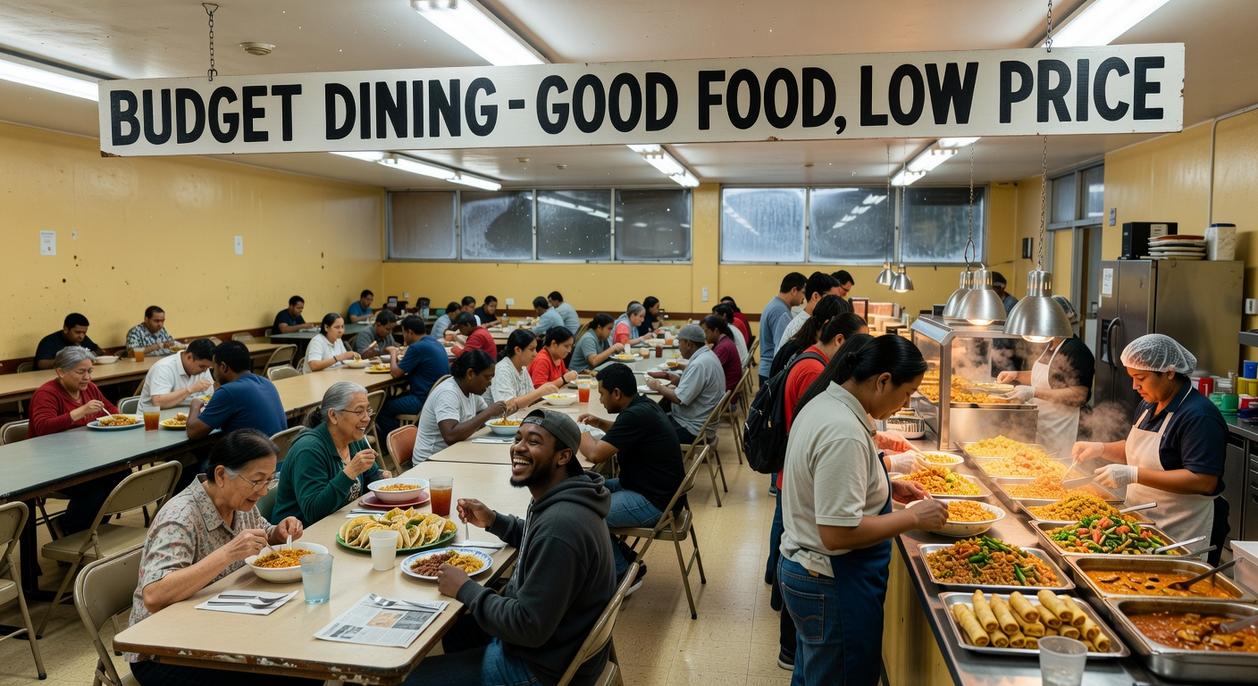
Trying global flavors on a tight budget can feel intimidating. Specialty ingredients sound expensive, and complicated recipes don’t help. However, frugal fusion—blending international flavors with affordable, accessible ingredients—makes it completely doable (and honestly, more fun).
1. Deconstructed Banh Mi Bowls
A traditional banh mi is a Vietnamese sandwich layered with pickled vegetables, protein, herbs, and sauce. Instead of pricey baguettes, swap in rice.
How to do it:
- Brown ground pork or crumble firm tofu with soy sauce and a little sugar.
- Quick-pickle shredded carrots in vinegar, water, sugar, and salt (15 minutes does the trick).
- Layer over cooked rice and top with cucumber and a drizzle of mayo + sriracha.
Pro tip: Buy carrots whole and shred them yourself—it’s significantly cheaper than pre-cut (USDA data consistently shows whole produce costs less per pound than pre-prepped).
2. Hearty Sweet Potato and Red Lentil Curry
Red lentils are split lentils that cook quickly and thicken dishes naturally (no flour needed). That makes them perfect for one-pot meals.
Simple method:
- Sauté onion, garlic, and curry powder.
- Add diced sweet potatoes, red lentils, canned coconut milk, and water.
- Simmer 20–25 minutes until soft.
As a result, you get a creamy, protein-rich dinner for pennies per serving. Lentils are among the most affordable plant proteins available (World Bank data regularly highlights pulses as cost-effective protein sources).
3. Smoky Black Bean Tostadas with Lime-Crema
A tostada is simply a crisp tortilla topped with savory ingredients. Think of it as an open-faced taco.
Bake corn tortillas at 400°F for 5–7 minutes per side. Then top with seasoned black beans, corn salsa, and yogurt mixed with lime juice.
Altogether, these dishes prove global flavors don’t require global budgets. With small swaps and pantry staples, your budget food adventures can feel expansive instead of restrictive (who says rice can’t travel the world?).
The Meal Prep Hack: Cook Once, Explore All Week
If you’re tired of eating the same leftovers on repeat, here’s a smarter approach: component prepping. Instead of cooking full meals, prepare versatile bases—like a big batch of quinoa, roasted vegetables, and a simple protein. Then, mix and match throughout the week. Monday’s grain bowl becomes Wednesday’s stuffed wrap. (Yes, it’s like remixing last night’s dinner—DJ style.)
Next, try the Flavor Bomb strategy. Make one bold sauce—think peanut-lime or cilantro-garlic—and drizzle it over everything. According to the USDA, sauces and condiments significantly influence meal satisfaction, which helps reduce food waste.
Finally, plan strategic leftovers. Extra curry today can become fried rice tomorrow. Pro tip: store sauces separately to keep textures fresh. It’s practical, flexible, and perfect for budget food adventures.
A World of Flavor Is Within Your Reach
A tight budget used to feel like a tight leash on your taste buds. It doesn’t have to. You now understand the strategies that make global eating affordable—smart shopping (choosing versatile, low-cost staples), creative recipes, and strategic meal prep, meaning cooking once and eating multiple times.
- Pick one new ingredient tonight.
Limited funds no longer mean limited flavor. Start budget food adventures; let kitchen be passport.
Keep Exploring, Keep Saving, Keep Savoring
You came here looking for ways to enjoy great meals without draining your wallet — and now you have the tools to do exactly that. From smarter meal prep to creative ingredient swaps and low-cost culinary exploration, you’ve seen how flavorful living doesn’t require a high grocery bill.
Stretching your budget can feel overwhelming, especially when food prices keep rising and inspiration runs low. But eating well on less isn’t about restriction — it’s about strategy. With the right approach, simple ingredients turn into exciting, satisfying meals that support your goals instead of sabotaging them.
Now it’s time to take action. Start planning your next week of budget food adventures, try one new frugal fusion recipe, and put at least one money-saving hack into practice today.
If you’re ready to cut grocery costs, simplify meal prep, and still enjoy incredible flavors, dive into more of our proven tips and reader-favorite guides. Thousands of savvy home cooks are already transforming the way they shop and cook — join them and start saving smarter now.
 Marketing & Communications Specialist
Kimberly Morrisoilers writes the kind of low-cost culinary exploration content that people actually send to each other. Not because it's flashy or controversial, but because it's the sort of thing where you read it and immediately think of three people who need to see it. Kimberly has a talent for identifying the questions that a lot of people have but haven't quite figured out how to articulate yet — and then answering them properly.
They covers a lot of ground: Low-Cost Culinary Exploration, Meal Prep Hacks on a Budget, Helpful Reads, and plenty of adjacent territory that doesn't always get treated with the same seriousness. The consistency across all of it is a certain kind of respect for the reader. Kimberly doesn't assume people are stupid, and they doesn't assume they know everything either. They writes for someone who is genuinely trying to figure something out — because that's usually who's actually reading. That assumption shapes everything from how they structures an explanation to how much background they includes before getting to the point.
Beyond the practical stuff, there's something in Kimberly's writing that reflects a real investment in the subject — not performed enthusiasm, but the kind of sustained interest that produces insight over time. They has been paying attention to low-cost culinary exploration long enough that they notices things a more casual observer would miss. That depth shows up in the work in ways that are hard to fake.
Marketing & Communications Specialist
Kimberly Morrisoilers writes the kind of low-cost culinary exploration content that people actually send to each other. Not because it's flashy or controversial, but because it's the sort of thing where you read it and immediately think of three people who need to see it. Kimberly has a talent for identifying the questions that a lot of people have but haven't quite figured out how to articulate yet — and then answering them properly.
They covers a lot of ground: Low-Cost Culinary Exploration, Meal Prep Hacks on a Budget, Helpful Reads, and plenty of adjacent territory that doesn't always get treated with the same seriousness. The consistency across all of it is a certain kind of respect for the reader. Kimberly doesn't assume people are stupid, and they doesn't assume they know everything either. They writes for someone who is genuinely trying to figure something out — because that's usually who's actually reading. That assumption shapes everything from how they structures an explanation to how much background they includes before getting to the point.
Beyond the practical stuff, there's something in Kimberly's writing that reflects a real investment in the subject — not performed enthusiasm, but the kind of sustained interest that produces insight over time. They has been paying attention to low-cost culinary exploration long enough that they notices things a more casual observer would miss. That depth shows up in the work in ways that are hard to fake.