

Craving bold, international flavors but worried about the cost? You’re not alone. Many home cooks assume that creating global dishes requires pricey specialty stores and hard-to-find items. The truth is, building a kitchen stocked with affordable global ingredients is easier than you think. This guide shows you how to explore local ethnic markets, navigate online options, and even spot hidden gems in your regular supermarket—without stretching your budget. If you’re ready to break free from repetitive weeknight meals and cook exciting, budget-friendly dishes from around the world, you’re in the right place.
The Ultimate Treasure Hunt: Navigating Local International Markets
Finding a great international market isn’t complicated, but it does require knowing the lingo. Start with simple searches like “Asian market,” “Latin grocer,” or “Halal butcher” plus your city name. In Houston, for example, Bellaire Boulevard is packed with Vietnamese and Chinese supermarkets, while neighborhoods in Queens, NYC, offer Colombian bakeries next to Filipino groceries. These hyper-local clusters often mean better turnover and fresher stock (a quiet win for your wallet).
The Staples Strategy
Once inside, skip the snack aisle and head straight for bulk staples. Large bags of rice flour, chickpea flour, dried chilies, and 5-pound sacks of jasmine rice often cost far less per ounce than chain supermarkets (USDA price comparisons consistently show bulk dry goods offer lower unit pricing). Stock up on soy sauce, fish sauce, and chili crisp in family-size bottles. These affordable global ingredients stretch across dozens of meals. Pro tip: Check the unit price sticker—some stores list cost per gram instead of ounce.
Next, explore the produce section. You’ll find bok choy, daikon radish, and plantains at prices that beat big-box stores. If you’re unsure how to cook something, ask. Vendors will often explain how to pickle mustard greens or ripen plantains properly (they’ve heard it all before).
Don’t skip the freezer aisle either. Dumplings, naan, paratha, and pre-chopped cassava save serious prep time.
And if you’re inspired, try recipes from travel the world through soup cheap recipes to try to turn your haul into dinner.
Exploring the “International Aisle” in Your Everyday Supermarket
Most shoppers treat the international aisle like a theme park stop—fun, occasional, and slightly mysterious. But if you’re focused on stretching your grocery budget, it’s more like a secret passage.
A vs. B: Mainstream vs. International
Take coconut milk. In the baking aisle, it’s often marketed for smoothies (and priced like a luxury). In the international aisle, the same size can is frequently cheaper per ounce. The same goes for:
- Curry paste vs. branded simmer sauces
- Corn tortillas vs. “artisan” wraps
- Rice noodles vs. specialty gluten-free pasta
Unit price comparison (that tiny shelf tag showing cost per ounce) is your superpower. Stores may package identical staples differently, but the numbers don’t lie.
Then there are the hidden gems. Tubes of tomato paste (no half-used cans going moldy), jars of anchovies for instant umami, or blocks of feta stored in brine often cost less here than in the deli section. These are versatile “powerhouse” ingredients—small, bold, and budget-friendly.
Some argue the selection feels unfamiliar. Fair. But unfamiliar doesn’t mean impractical—it often means affordable global ingredients waiting to upgrade your meals.
Finally, check for manager’s specials. International stock rotates quickly, making it a prime clearance zone (yes, treasure-hunt energy included).
Unlocking the Global Marketplace: Sourcing Ingredients Online
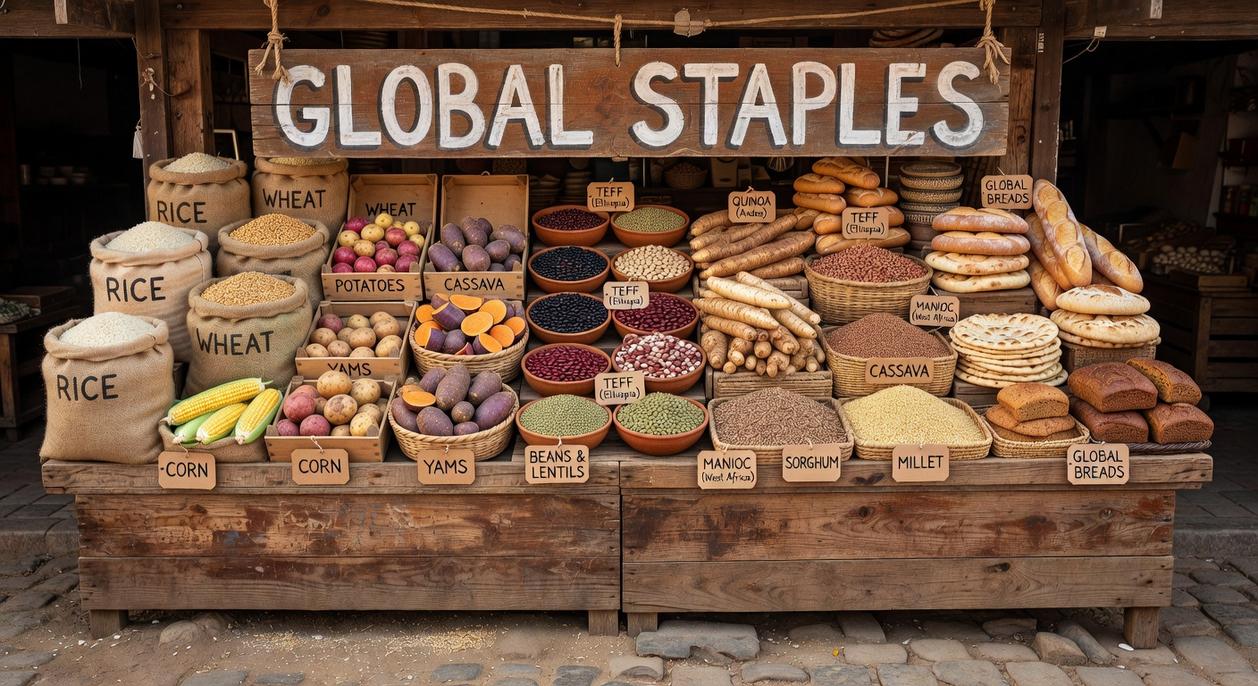
Some ingredients simply refuse to be found locally. You can search every aisle and still miss that smoky Urfa pepper or the finely milled Italian 00 flour that feels like powdered silk between your fingers. That’s when going digital makes sense. Online shelves stretch across continents, offering affordable global ingredients that arrive fragrant, vibrant, and ready to transform dinner from ordinary to UNFORGETTABLE.
Bulk buying is where the real savings begin. A larger bag of cardamom pods releases a eucalyptus-like aroma the moment you open it, and buying in volume often drops the per-ounce cost dramatically (USDA notes bulk purchasing can reduce food costs by up to 30%). Rare teas, specialty oils, heirloom rice—these keep well when stored properly and reward you with flavor that lingers on the palate.
• Look for flat-rate or free-shipping thresholds.
• Plan a list so every ounce counts.
• Split orders with friends to share costs and spices.
Shipping fees can sting, but smart cart-building softens the blow. Finally, vet sellers carefully. Read reviews, confirm harvest dates, and check sourcing transparency. If a website hides details, that’s a red flag. TRUST your senses—and your research.
The Frugal Fusion Kitchen: Making Your New Ingredients Work for You
First, try the One-Ingredient-Swap Method. This simply means replacing one familiar ingredient with something bolder—like gochujang instead of ketchup in a glaze. Same recipe, new personality (think Clark Kent to Superman). Some argue it’s “unnecessary flair.” Fair. But one smart swap can rescue dinner from boredom without blowing the budget.
Next, build a flavor base—a mix of spices, sauces, oil, and acid you can reuse. Whisk soy sauce, garlic, and honey for a marinade that doubles as a stir-fry starter. Pro tip: make enough for three meals to save time and cash.
Then, experiment with cross-cultural combos. Add taco seasoning to lentil curry or toss sesame oil into pasta salad. Using affordable global ingredients creatively reduces waste and keeps taste buds curious.
Finally, store spices in cool, dark spots and freeze grains for longevity. Your wallet will thank you (quietly, but sincerely).
Building Your Global Pantry, One Ingredient at a Time
You set out to make international cooking more accessible—and now you have a practical roadmap to do exactly that. No more assuming that bold, global flavors are out of reach or too expensive. By focusing on staples, comparing prices, and using affordable global ingredients creatively, you’ve turned what felt overwhelming into something doable and budget-friendly.
The secret isn’t spending more. It’s shopping smarter and building slowly.
Now take the next step: pick one strategy and visit a local international market or your supermarket’s global aisle this week. Start small, stay curious, and discover how flavorful, affordable global ingredients can transform your meals without stretching your budget.
 Nolissa Orvandora writes the kind of fresh insights content that people actually send to each other. Not because it's flashy or controversial, but because it's the sort of thing where you read it and immediately think of three people who need to see it. Nolissa has a talent for identifying the questions that a lot of people have but haven't quite figured out how to articulate yet — and then answering them properly.
They covers a lot of ground: Fresh Insights, Frugal Fusion Cuisine, Low-Cost Culinary Exploration, and plenty of adjacent territory that doesn't always get treated with the same seriousness. The consistency across all of it is a certain kind of respect for the reader. Nolissa doesn't assume people are stupid, and they doesn't assume they know everything either. They writes for someone who is genuinely trying to figure something out — because that's usually who's actually reading. That assumption shapes everything from how they structures an explanation to how much background they includes before getting to the point.
Beyond the practical stuff, there's something in Nolissa's writing that reflects a real investment in the subject — not performed enthusiasm, but the kind of sustained interest that produces insight over time. They has been paying attention to fresh insights long enough that they notices things a more casual observer would miss. That depth shows up in the work in ways that are hard to fake.
Nolissa Orvandora writes the kind of fresh insights content that people actually send to each other. Not because it's flashy or controversial, but because it's the sort of thing where you read it and immediately think of three people who need to see it. Nolissa has a talent for identifying the questions that a lot of people have but haven't quite figured out how to articulate yet — and then answering them properly.
They covers a lot of ground: Fresh Insights, Frugal Fusion Cuisine, Low-Cost Culinary Exploration, and plenty of adjacent territory that doesn't always get treated with the same seriousness. The consistency across all of it is a certain kind of respect for the reader. Nolissa doesn't assume people are stupid, and they doesn't assume they know everything either. They writes for someone who is genuinely trying to figure something out — because that's usually who's actually reading. That assumption shapes everything from how they structures an explanation to how much background they includes before getting to the point.
Beyond the practical stuff, there's something in Nolissa's writing that reflects a real investment in the subject — not performed enthusiasm, but the kind of sustained interest that produces insight over time. They has been paying attention to fresh insights long enough that they notices things a more casual observer would miss. That depth shows up in the work in ways that are hard to fake.