
If you’re searching for realistic ways to cut your grocery bill without sacrificing flavor, you’re in the right place. Rising food costs have made it harder than ever to eat well on a budget—but smart strategies, creative recipes, and thoughtful planning can make a dramatic difference. This article is designed to help you stretch every dollar through practical tips, low-cost culinary exploration, and proven meal prep techniques that actually work in real kitchens.
We break down how to maximize ingredients, reduce waste, and unlock serious cooking from scratch savings with simple, approachable methods. From frugal fusion ideas to batch-cooking hacks, you’ll discover how to create satisfying meals without relying on expensive convenience foods.
Our guidance is rooted in hands-on budgeting experience, real-world kitchen testing, and practical cost comparisons—so you can trust that the strategies shared here are not just theoretical, but proven to help you spend less while enjoying more.
Three years ago, I stared at a $300 grocery receipt and thought, THIS CAN’T CONTINUE. So I went back to basics and rebuilt my kitchen habits from scratch. The result? Real cooking from scratch savings and better meals than takeout ever delivered.
Here’s what changed:
- Planned weekly menus around sales
- Cooked double batches and froze half
- Turned leftovers into new dishes
Meal prep (preparing ingredients in advance to save time and money) became my secret weapon. Some say convenience foods save time. Maybe. But scratch cooking saves cash, builds skills, and tastes better. EVERY SINGLE WEEK. Consistently.
The Frugal Foundation: Building a Power Pantry
A tight grocery budget doesn’t mean bland meals or endless rice and beans. A smart pantry is about versatility—ingredients that stretch, store well, and work in dozens of dishes. Think of it as your kitchen’s safety net (because takeout adds up fast).
Core Building Blocks That Actually Get Used
Start with legumes like lentils and chickpeas. Legumes are dried edible seeds from plants in the pea family—cheap, protein-rich, and shelf-stable for years (USDA). Add whole grains such as oats, quinoa, and barley for fiber and staying power. Stock canned tomatoes and coconut milk for instant sauces, plus root vegetables like potatoes, onions, and carrots. Stored properly, root vegetables can last weeks thanks to their dense structure (University of Maine Extension).
Focus on ingredients that mix and match easily. One pot of lentils can become soup, tacos, or a hearty salad.
The Flavor Arsenal
A small lineup of smoked paprika, cumin, soy sauce, and bouillon cubes transforms basics into bold meals. (Yes, paprika can make potatoes taste restaurant-level.) Pro tip: buy spices in small amounts from bulk bins to keep them fresh and affordable.
Smart Sourcing for Real Savings
Check bulk bins, ethnic markets, and discount grocers first. Buying whole foods and cooking from scratch savings can cut food costs significantly (Bureau of Labor Statistics). A well-built pantry makes dinner faster, cheaper, and far less stressful.
The “Cook Once, Eat Thrice” Method
The Cook Once, Eat Thrice method sounds fancy, but it’s simple: cook versatile building blocks once, then turn them into multiple meals. This is called component cooking—preparing individual ingredients (not full recipes) that can mix and match all week.
Think of it like meal prep without the boredom. Instead of five identical containers of chicken and broccoli (we’ve all been there), you batch-cook staples: a pot of quinoa, shredded chicken, roasted vegetables, and a basic vinaigrette. These components become grain bowls, wraps, soups, or salads depending on what you combine.
The “Anchor” Meal Strategy
An anchor meal is your starting point—the dish that creates leftovers on purpose. For example, roast a whole chicken on Sunday. Monday becomes chicken salad sandwiches. Tuesday? Simmer the carcass into stock and make chicken and vegetable soup. One bird, three distinct dinners (and no one complains it’s “the same thing again”).
Some people argue leftovers feel repetitive. Fair. But repetition usually comes from reheating the same plate. When you transform ingredients instead of replaying them, meals feel new.
Freezer Is Your Friend
Batch-cook chili, pasta sauce, or soup bases and freeze in portioned containers. Label with dates. These become your homemade “healthy frozen dinners.” Pro tip: freeze flat in zip-top bags to save space and thaw faster.
Time-Saving Hacks
A focused two-hour weekend prep session reduces weekday cooking to simple assembly. That means fewer takeout temptations and more cooking from scratch savings. Less decision fatigue, more freedom (and maybe even a calm Tuesday night).
Frugal Fusion: Keeping Your Budget Meals Exciting
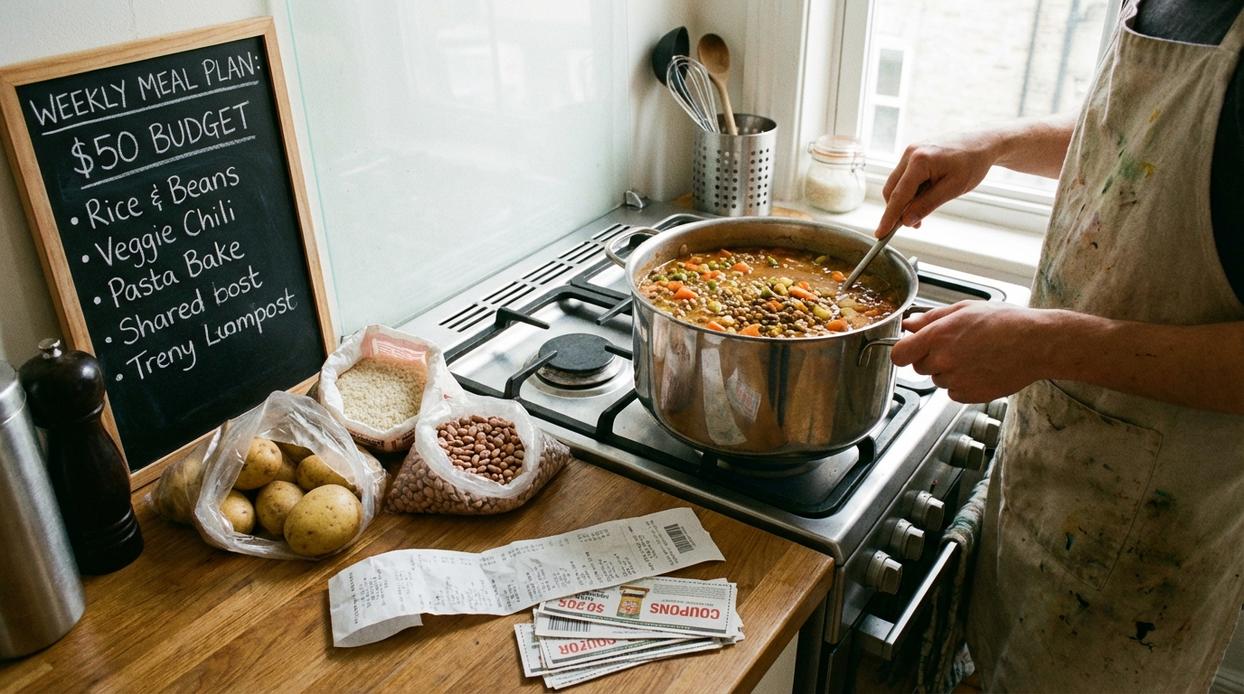
I used to quit meal plans by week three. Not because they were expensive—but because they were boring. Rice again? Chicken again? That’s when I stumbled into what I call frugal fusion—mixing inexpensive ingredients with bold, global flavors to keep things interesting.
Frugal fusion simply means applying one cuisine’s flavor profile to another cuisine’s cheap base. Think of it as culinary remixing (like a DJ, but with lentils).
For example, I toss roasted potatoes with cumin, coriander, turmeric, and chili powder—an easy homemade Indian-inspired blend. Suddenly, a $3 bag of potatoes tastes restaurant-worthy. Plain lentils? Simmer them with garlic, paprika, and taco seasoning for a hearty filling. A quick peanut sauce—peanut butter, soy sauce, lime juice—turns basic noodles into something that feels gourmet.
Some people argue spices and specialty ingredients “add up.” Fair point. But one jar of miso or gochujang lasts months. That’s where real cooking from scratch savings show up.
If you’re new to this, explore one affordable international ingredient monthly. Dried mushrooms add umami (a savory depth of flavor). Miso boosts soups instantly.
Start with strong flavors and build from there. And make sure your kitchen is stocked with essential pantry staples for budget friendly cooking to anchor your experiments.
The Zero-Waste Kitchen: Using Every Last Scrap
Most people see food scraps as trash. That’s the first mistake.
Let’s redefine food waste: it’s not garbage—it’s pre-ingredients. Onion skins, carrot tops, and stale bread are simply future meals waiting for a plan. This mindset shift is where real cooking from scratch savings begin (and yes, it adds up faster than you think).
Competitors talk about composting. Useful? Absolutely. But compost is the last stop. A zero-waste kitchen extracts flavor first.
Think of scraps as inventory, not leftovers.
Here’s how:
- Save vegetable peels and ends in a freezer bag for rich, homemade broth.
- Turn stale bread into croutons, breadcrumbs, or panzanella.
- Peel and slice broccoli stems for stir-fries or slaws.
- Zest citrus before juicing; dry or freeze zest for baking and marinades.
Some argue scraps aren’t worth the effort. But one batch of “free” broth can replace store-bought cartons (and taste better). Pro tip: label your freezer scrap bag with the start date to track rotation.
Your Path to Affordable, Delicious Home Cooking
You now have the core strategies to master frugal meal preparation without sacrificing flavor or variety. Some skeptics argue that budget cooking means bland beans and endless leftovers. But that only happens without a plan. This approach focuses on smart prep systems like weekly ingredient maps, labeled freezer containers, and a running pantry inventory to cut impulse buys. Start a broth bag in your freezer for vegetable scraps; in weeks, you have rich stock at zero extra cost. These small habits compound into real cooking from scratch savings and less waste. Start today.
Make Your Grocery Budget Work Harder for You
You came here looking for realistic ways to stretch your food budget without sacrificing flavor or variety. Now you’ve seen how smart planning, simple ingredients, and a little creativity can transform the way you cook and spend.
The real frustration isn’t just high grocery prices — it’s feeling like you have to choose between eating well and staying on budget. The truth is, you don’t. With intentional planning and a focus on cooking from scratch savings, you can take control of your kitchen and your finances at the same time.
Your next step is simple: pick one or two strategies you learned today and put them into action this week. Plan a budget-friendly menu, prep ingredients ahead of time, and swap one takeout meal for a homemade favorite.
Thousands of budget-conscious home cooks are already proving that eating well for less is possible. If you’re ready to cut your grocery bill, reduce waste, and feel confident every time you step into your kitchen, start implementing these tips today. Your wallet — and your taste buds — will thank you.
 Nolissa Orvandora writes the kind of fresh insights content that people actually send to each other. Not because it's flashy or controversial, but because it's the sort of thing where you read it and immediately think of three people who need to see it. Nolissa has a talent for identifying the questions that a lot of people have but haven't quite figured out how to articulate yet — and then answering them properly.
They covers a lot of ground: Fresh Insights, Frugal Fusion Cuisine, Low-Cost Culinary Exploration, and plenty of adjacent territory that doesn't always get treated with the same seriousness. The consistency across all of it is a certain kind of respect for the reader. Nolissa doesn't assume people are stupid, and they doesn't assume they know everything either. They writes for someone who is genuinely trying to figure something out — because that's usually who's actually reading. That assumption shapes everything from how they structures an explanation to how much background they includes before getting to the point.
Beyond the practical stuff, there's something in Nolissa's writing that reflects a real investment in the subject — not performed enthusiasm, but the kind of sustained interest that produces insight over time. They has been paying attention to fresh insights long enough that they notices things a more casual observer would miss. That depth shows up in the work in ways that are hard to fake.
Nolissa Orvandora writes the kind of fresh insights content that people actually send to each other. Not because it's flashy or controversial, but because it's the sort of thing where you read it and immediately think of three people who need to see it. Nolissa has a talent for identifying the questions that a lot of people have but haven't quite figured out how to articulate yet — and then answering them properly.
They covers a lot of ground: Fresh Insights, Frugal Fusion Cuisine, Low-Cost Culinary Exploration, and plenty of adjacent territory that doesn't always get treated with the same seriousness. The consistency across all of it is a certain kind of respect for the reader. Nolissa doesn't assume people are stupid, and they doesn't assume they know everything either. They writes for someone who is genuinely trying to figure something out — because that's usually who's actually reading. That assumption shapes everything from how they structures an explanation to how much background they includes before getting to the point.
Beyond the practical stuff, there's something in Nolissa's writing that reflects a real investment in the subject — not performed enthusiasm, but the kind of sustained interest that produces insight over time. They has been paying attention to fresh insights long enough that they notices things a more casual observer would miss. That depth shows up in the work in ways that are hard to fake.