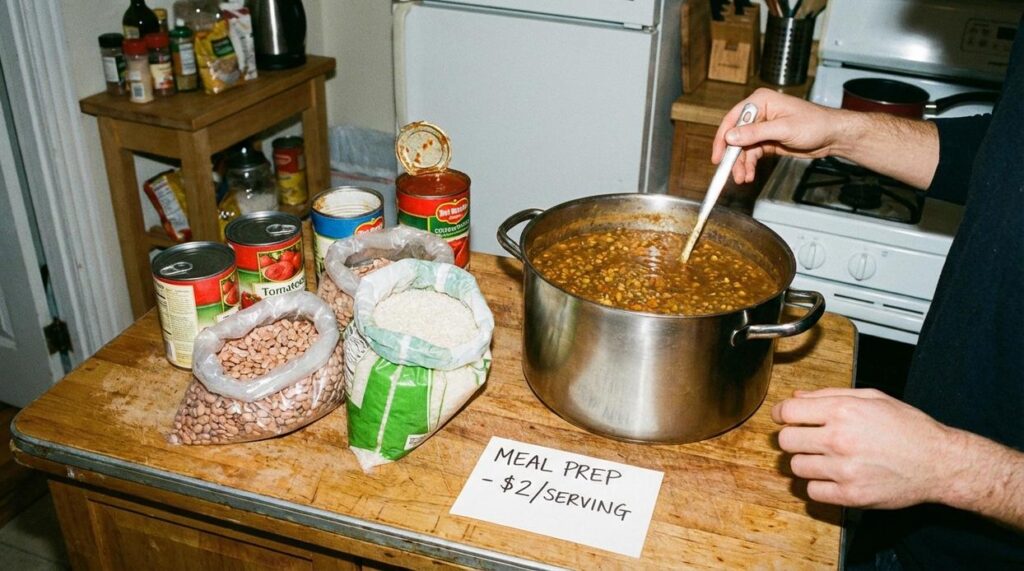
Eating well doesn’t have to mean overspending. If you’re searching for practical ways to cook flavorful meals on a tight budget, stretch your groceries further, and explore creative dishes without expensive ingredients, you’re in the right place. This article is designed to help you master budget-friendly food, discover low-cost culinary techniques, and use smart meal prep strategies that save both time and money.
We’ve combined hands-on kitchen experience with insights from nutrition guidelines, cost-comparison research, and real-world grocery budgeting strategies to ensure every tip is practical and proven. You’ll also find recommendations for free cooking learning resources that can sharpen your skills without adding to your expenses.
Whether you’re looking to reduce food waste, try frugal fusion cuisine, or simplify weekly meal planning, this guide will walk you through clear, actionable steps to make delicious, affordable cooking part of your everyday routine.
Unlock Your Inner Chef Without Opening Your Wallet
You don’t need pricey classes to cook well. Culinary literacy—understanding basic techniques like sautéing (quickly cooking in a small amount of fat) or braising (slow-cooking in liquid)—can be built with free cooking learning resources found online and in your community. Many people assume “gourmet” means expensive ingredients. Not true. It simply means thoughtful preparation.
Libraries offer digital cookbooks. YouTube channels break down knife skills step by step. Community centers host demo nights.
Confused about meal prep? It just means cooking components ahead to save time later (think Sunday sauce for Wednesday pasta).
Visual Feasts: Top Video Platforms for Chefs on a Budget
If culinary school feels out of reach, start with YouTube. Think of it as YouTube University: long-form, structured, and packed with free cooking learning resources. Channels like Basics with Babish or Pro Home Cooks break down knife skills and mother sauces step by step. In contrast, TikTok and Instagram Reels thrive on speed—60-second pasta hacks, quick sourdough tips, instant inspiration.
So which wins? YouTube is better for depth; you can slow playback to 0.75x and actually watch how a chef angles the blade (pro tip: this is gold for beginners). Meanwhile, Reels and TikTok are ideal for discovery. Follow hashtags like #BudgetMeals or #GroceryHaulChallenge to find creators turning beans and rice into something worthy of The Bear.
Frugal-focused channels also shine on YouTube with full grocery-haul breakdowns, showing cost per serving—something short-form platforms rarely detail. On the other hand, Instagram lets you save Reels into tidy collections, essentially building a digital cookbook.
Ultimately, choose based on your goal: mastery or momentum. Or both, if possible.
The Ultimate Digital Cookbook: Free Recipe Websites & Blogs
Everyone defaults to the big recipe platforms. But here’s the contrarian take: the largest sites aren’t always the most reliable. High traffic doesn’t guarantee flavor (or accuracy). Smaller, niche blogs focused on budget cooking often test recipes repeatedly because their readers can’t afford failures.
Instead of scrolling endlessly, try ingredient-based search engines like Supercook and MyFridgeFood. These tools let you input what’s already in your kitchen, reducing food waste and grocery runs. It’s practical, efficient, and honestly more creative than following another five-star pasta.
When evaluating a recipe, look for:
- Detailed, step-by-step instructions (clear timing and measurements)
- User reviews with specific feedback
- Photos or videos of the actual process
Many assume fusion cooking is expensive. Not true. Frugal fusion blends affordable pantry staples across cultures—think lentil tacos or soy-glazed roasted vegetables—without specialty-store price tags.
And yes, there are free cooking learning resources that rival paid courses (some even better, quietly). The key isn’t popularity. It’s practicality—and proof the recipe actually works.
Learn Together: Cooking Communities and Social Media Groups
I still remember staring at a fridge with leftover chicken and a lonely can of beans, convinced dinner would be depressing. On a whim, I posted in r/EatCheapAndHealthy. Within minutes, strangers suggested tacos, white chicken chili, and a protein-packed salad (one even added a smoky paprika tip that changed my life). That’s the power of online cooking communities.
Reddit threads like r/CookingForBeginners are goldmines for honest feedback and creative problem-solving. Facebook Groups focused on meal prep or budget diets offer accountability—you post your weekly prep, they cheer you on.
Some argue social media spreads bad advice. Fair. But active communities often self-correct quickly (crowdsourcing at its finest).
Here’s how to get better answers:
| Tip | Why It Works |
|---|---|
| List ingredients | Sparks specific ideas |
| Share budget | Filters realistic suggestions |
| Post photos | Visual context helps |
These spaces double as free cooking learning resources and pair perfectly with data driven insights on reducing household food expenses: https://lovinglifeandlivingonless.com.co/data-driven-insights-on-reducing-household-food-expenses/
Pro tip: Give feedback after trying suggestions—it builds goodwill (and better replies next time).
Beyond the Screen: Tapping Into Local & Library Resources

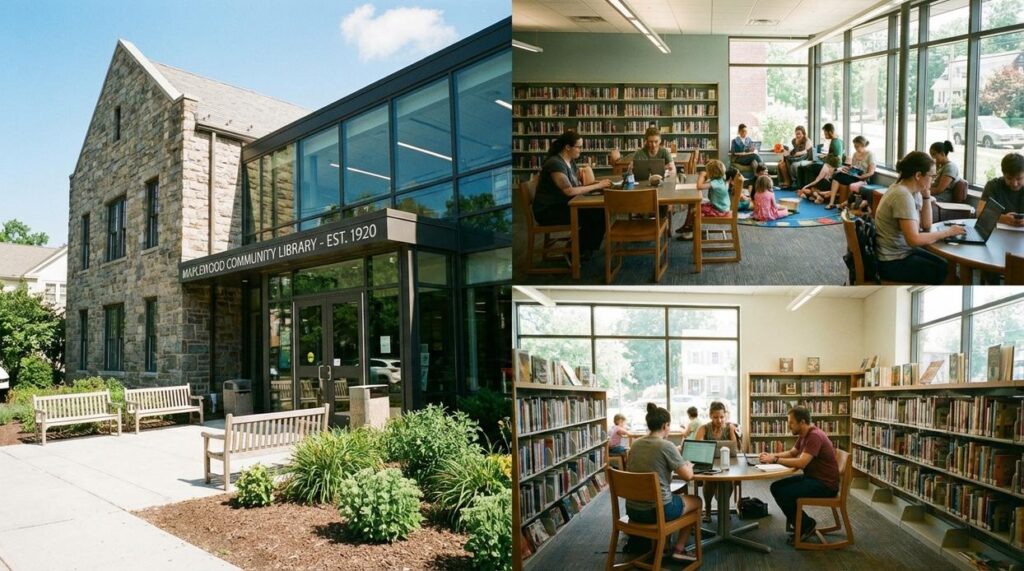
A few years ago, I sheepishly dusted off my old library card just to print a document—and walked out with a stack of cookbooks instead. That was my first reminder that libraries aren’t just quiet book warehouses; they’re gateways to free cooking learning resources hiding in plain sight.
To start, many libraries partner with apps like Libby and OverDrive. These platforms let you borrow e-cookbooks and food magazines straight to your phone or tablet—no late fees, no clutter. I’ve tested recipes from celebrity chefs this way (yes, I attempted a “Great British Bake Off”-worthy tart), all without spending a dime.
Meanwhile, don’t overlook community programs. Local extension offices, rec centers, and even grocery stores often host free demos on knife skills or meal prep. These hands-on workshops turn abstract instructions into muscle memory.
That said, some argue YouTube is enough. Fair—but a comprehensive bread-making book offers structured depth algorithms can’t replicate. When I borrowed one focused solely on sourdough fermentation (the process where wild yeast makes dough rise), my loaves finally stopped resembling doorstops.
Putting It All Together: Your First Week of Free Culinary Learning
Ready to build kitchen confidence without spending a dime?
Here’s a momentum-boosting plan:
- Day 1–2: Watch three foundational skills videos (knife basics, cooking onions, boiling pasta) using free cooking learning resources.
- Day 3–4: Choose a top-rated budget recipe with ingredients you already have.
- Day 5–6: Cook it, then post a photo for constructive feedback.
- Day 7: Download a library cookbook from a cuisine you’re curious about.
By the end of the week, you’ll understand core techniques (transferable skill), stretch groceries further, and gain confidence to experiment. That’s when cooking gets fun and affordable.
Your Frugal Food Journey Starts Now
Now that you’ve seen what’s possible, it’s time to act. First, choose one of the free cooking learning resources you just discovered and commit 15 focused minutes tonight. Not tomorrow—tonight. Small steps build real skill (and confidence).
For example, start with a simple knife-skills video, then practice by prepping vegetables for tomorrow’s dinner. Next, bookmark one budget-friendly recipe blog and plan a low-cost meal for the week. Finally, join a cooking subreddit and ask one question.
Some argue cooking well requires pricey classes. In reality, consistent practice beats expensive tuition every time. Pro tip: repeat one recipe until you can cook it from memory.
Start Cooking Smarter Tonight
You came here looking for practical ways to enjoy great food without draining your wallet — and now you have the tools to do exactly that. From budget-friendly ingredients to frugal fusion ideas and time-saving meal prep hacks, you’ve seen how simple shifts can stretch your grocery budget without sacrificing flavor.
The real challenge isn’t wanting to save money. It’s figuring out how to cook creatively when prices keep rising and time feels limited. That frustration is real — but it’s also solvable.
Now it’s your move.
Put one strategy into action this week. Try a low-cost recipe swap, plan a 3-day meal prep session, or explore new flavors using pantry staples you already have. If you’re serious about cutting food costs while still loving what’s on your plate, tap into our free cooking learning resources designed to help you cook smarter, waste less, and feel confident in the kitchen.
Thousands of budget-conscious home cooks are already transforming the way they shop and cook. Join them today, start applying what you’ve learned, and prove to yourself that living well on less isn’t just possible — it’s delicious.
 Marketing & Communications Specialist
Kimberly Morrisoilers writes the kind of low-cost culinary exploration content that people actually send to each other. Not because it's flashy or controversial, but because it's the sort of thing where you read it and immediately think of three people who need to see it. Kimberly has a talent for identifying the questions that a lot of people have but haven't quite figured out how to articulate yet — and then answering them properly.
They covers a lot of ground: Low-Cost Culinary Exploration, Meal Prep Hacks on a Budget, Helpful Reads, and plenty of adjacent territory that doesn't always get treated with the same seriousness. The consistency across all of it is a certain kind of respect for the reader. Kimberly doesn't assume people are stupid, and they doesn't assume they know everything either. They writes for someone who is genuinely trying to figure something out — because that's usually who's actually reading. That assumption shapes everything from how they structures an explanation to how much background they includes before getting to the point.
Beyond the practical stuff, there's something in Kimberly's writing that reflects a real investment in the subject — not performed enthusiasm, but the kind of sustained interest that produces insight over time. They has been paying attention to low-cost culinary exploration long enough that they notices things a more casual observer would miss. That depth shows up in the work in ways that are hard to fake.
Marketing & Communications Specialist
Kimberly Morrisoilers writes the kind of low-cost culinary exploration content that people actually send to each other. Not because it's flashy or controversial, but because it's the sort of thing where you read it and immediately think of three people who need to see it. Kimberly has a talent for identifying the questions that a lot of people have but haven't quite figured out how to articulate yet — and then answering them properly.
They covers a lot of ground: Low-Cost Culinary Exploration, Meal Prep Hacks on a Budget, Helpful Reads, and plenty of adjacent territory that doesn't always get treated with the same seriousness. The consistency across all of it is a certain kind of respect for the reader. Kimberly doesn't assume people are stupid, and they doesn't assume they know everything either. They writes for someone who is genuinely trying to figure something out — because that's usually who's actually reading. That assumption shapes everything from how they structures an explanation to how much background they includes before getting to the point.
Beyond the practical stuff, there's something in Kimberly's writing that reflects a real investment in the subject — not performed enthusiasm, but the kind of sustained interest that produces insight over time. They has been paying attention to low-cost culinary exploration long enough that they notices things a more casual observer would miss. That depth shows up in the work in ways that are hard to fake.