Eating well without breaking the bank. Sounds impossible, right? But it’s not. Budget meal prepping is your ticket to eating healthy without the financial stress.
I know because I’ve done it. Anyone can say they’re cutting costs, but does it really work? Yes, and I’ll show you how.
You don’t need a chef’s skills or a fat wallet. Just a plan, a little creativity, and the willingness to try something new.
You ever find yourself staring at a half-empty fridge, wondering what to make? Or maybe you’re tired of the same old takeout. Been there.
Done that. This article is for you if you’re ready to ditch expensive meals and learn how to cook smart. I’ve gathered tips from seasoned budgeters and food lovers alike.
Stick around. By the end, you’ll know how to keep your meals fresh, affordable, and downright delicious. Trust me, this isn’t just theory.
It’s a game-changer.
The Foundation: Smart Shopping for Meal Prep Success
I always start my budget meal prepping with a “Pantry-First” approach. Why double buy when you’ve got the goods sitting in the back of your cupboard? I mean, I’ve found two-year-old quinoa hiding in there.
Check your pantry, fridge, and freezer before anything else.
Once you’ve done that, it’s time to build a shopping list. Sales flyers and seasonal produce are your best friends here. They’re usually more affordable (hello, savings).
I’ve noticed that seasonal greens, for example, taste better and cost less. Makes you wonder why we even bother with overpriced off-season stuff.
Let’s talk about superfoods that won’t do damage to your budget. Oats. Rice. Beans.
Lentils. Potatoes. Onions.
All stars that are cheap and versatile. You can whip up a lot with these basics and a few extra ingredients.
Frozen fruits and vegetables need more love. Forget the myth that they’re less nutritious. They’re often flash-frozen at peak freshness, sometimes making them a better option than their fresh counterparts.
Plus, they hang around in the freezer way longer.
Now, ever stared at two different-sized packages and wondered which is cheaper? Get in the habit of checking unit prices on shelf tags. The bigger package doesn’t always mean a better deal.
We all want to save time and money, especially busy families trying to stay fast. Want more tips? Check out this page on Fast Meal Prepping Busy Families.
It’s packed with practical advice.
Building Your Plate: Core Components for a Frugal Menu
Eating well on a budget isn’t just possible; it’s smart. You know what’s not smart? Wasting money on overpriced groceries when you can create a delicious, cost-effective menu at home.
Let’s break it down.
Proteins. First off, let’s talk meat. Chicken thighs are cheaper than breasts and often juicier. Ground turkey is a solid swap for ground beef (your wallet will thank you). But plant-based proteins like chickpeas and lentils? They’re kings of budget meal prepping. They’re cheap but packed with nutrients. Why spend more when these do the job?
Next up, carbs. People think carbs are the enemy. Wrong.
They’re energy. Complex carbs like brown rice, quinoa, sweet potatoes, and whole-wheat pasta are your friends. They’re cheap and keep you full longer.
Want perfect rice or quinoa every time? Use a 2:1 water-to-grain ratio. No more mushy grains.
Now, veggies. Buying seasonal veggies is a game-changer. Carrots, broccoli, and cabbage don’t just last longer; they keep your meals varied and fresh.
Store them right (cool, dark places) and you’ll reduce waste. Nothing worse than throwing money in the trash.
Oh, and flavor. Don’t forget it. You don’t need pricey sauces to make a meal sing.
Spices and homemade condiments are your new BFFs. Vinegars and a simple vinaigrette (olive oil, vinegar, mustard, salt) can turn a bland dish into something special.
When it comes to budget meal prepping, a little planning goes a long way. Start with these core components, and you’ll save money but eat like a king (or queen). Why spend more when you don’t have to?
Cook Once, Eat All Week: The Smart Way to Prep
Ever heard of “component prepping”? It’s a game-changer. Instead of slaving over complete meals, you prep the parts.
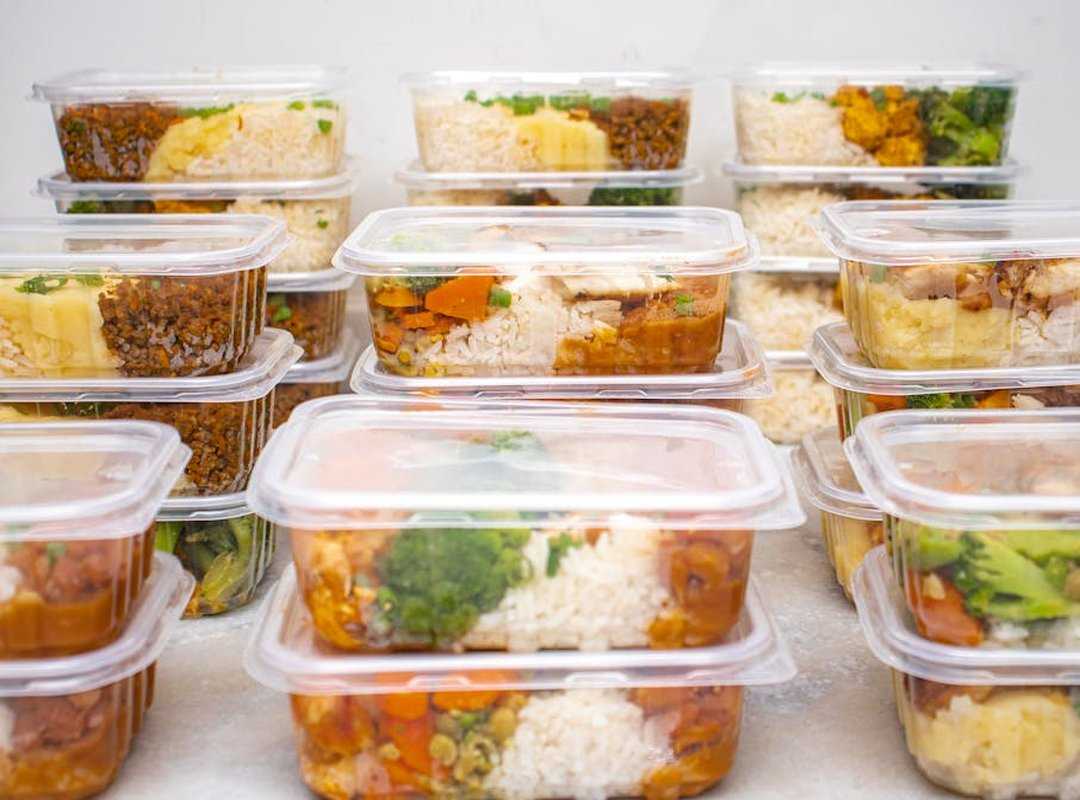
Sounds liberating, right? You get flexibility like never before. Want tacos on Tuesday and stir-fry on Friday?
No problem.
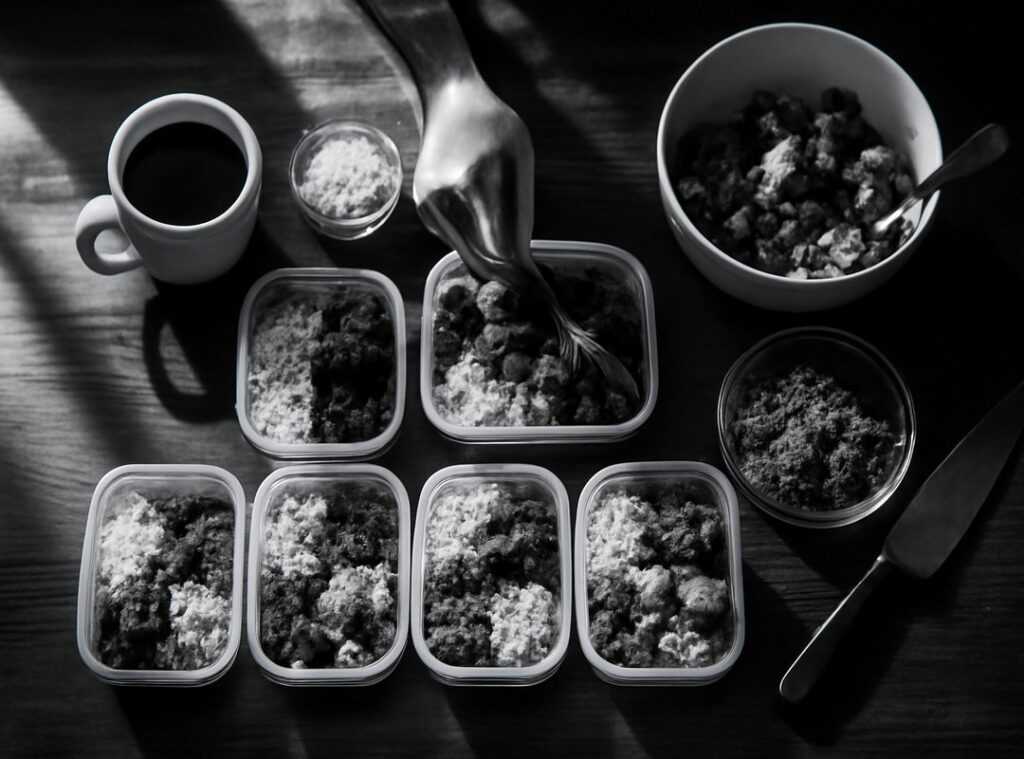
Let me break it down. Picture this: a “Sunday Power Hour.” You start by putting a pot of rice or quinoa on the stove. While that’s cooking, chop your veggies and throw them on a sheet pan for roasting.
Then, cook your protein (I love baking chicken thighs). Bold move: use the whole ingredient. Got a whole chicken? Roast it for dinner, then use leftovers for sandwiches or salads.
Boil the carcass for a free, flavorful broth. It’s fast and delicious.
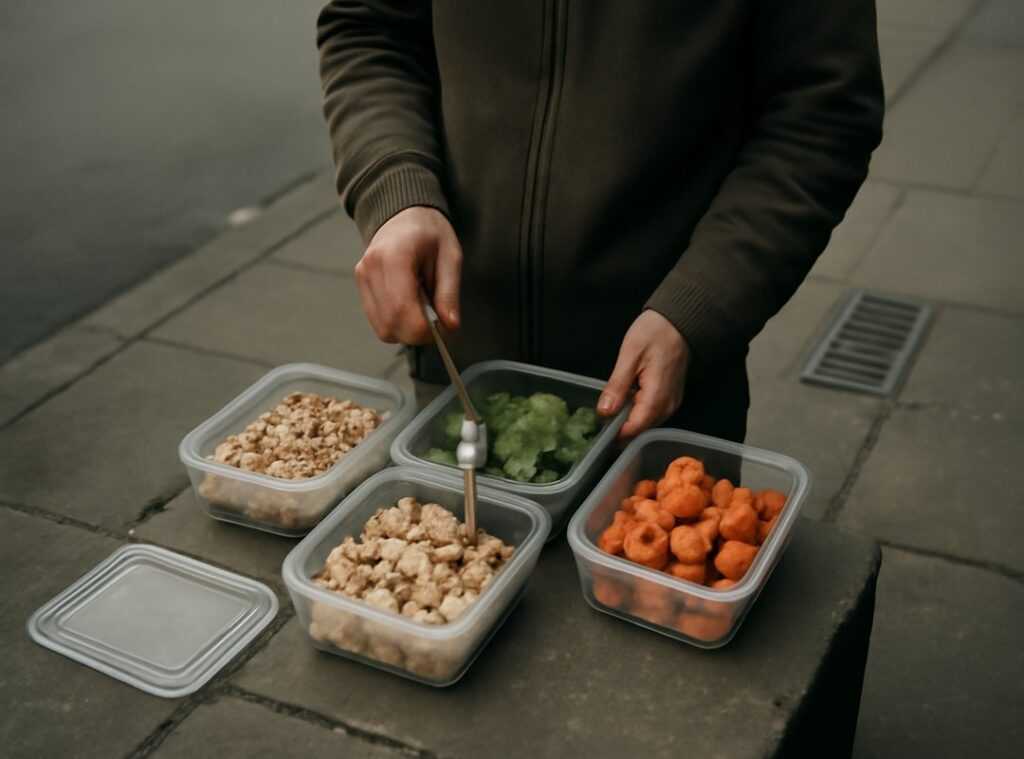
Storage solutions? Forget pricey matching containers. Clean glass jars are perfect for salads and sauces.
Who needs fancy when you have frugal?
Do you want to know how master budget meal prepping can save you time and money? This method works wonders. You spend less time in the kitchen during the week.
More time for yourself. Less stress, more happiness.
The real beauty of this system is the flexibility. You can change your mind midweek without wasting food. Why stick to a rigid plan?
Life’s unpredictable. Your meals should be adaptable.
So, are you ready to embrace the “Cook Once, Eat All Week” method? Your future self will thank you. And your wallet will too.
Fighting Flavor Fatigue: Spice Up Your Budget Meals
Let’s be honest. Meal prepping can feel like a chore. Eating the same thing every day is boring.
But here’s the kicker: you can keep your budget meals exciting without breaking the bank. Enter the Sauce and Spice System. It’s a game-changer.
Imagine this: you start with a basic mix of chicken, rice, and broccoli. Sounds dull right? Not if you do it right.
First up, the Tex-Mex Bowl. Just add a spoonful of salsa, a sprinkle of cumin, and some canned black beans. Suddenly, it’s a fiesta on a plate.
Next, try the Teriyaki-Style Bowl. A drizzle of soy sauce, a little honey, and ginger powder transforms your meal into something you’d actually look forward to eating.
For something different, go Mediterranean. Squeeze some fresh lemon juice, add a dash of dried oregano, and throw in chickpeas. It’s fresh and zesty.
Does it sound too simple? It is. Yet, it works.
The beauty of this system is its flexibility. You can adapt it to whatever leftovers you have, or whatever’s on sale.
Experimenting is key. Let your taste buds explore new combinations. You don’t need to be a gourmet chef to eat well on a budget.
Meal prepping doesn’t have to be a slog.
Remember, variety doesn’t need to be expensive or complicated. The goal is to keep meals exciting while sticking to budget meal prepping. If you try this, you’ll find that meal prep becomes less of a task and more of a creative outlet.
Why settle for bland when you can spice things up?
Kitchen Mastery on a Budget
Tired of stressing over weeknight dinners or watching your grocery bill soar? I get it. The good news is, budget meal prepping puts you back in control.
Planning your shopping, batch-cooking simple staples, and using spices cleverly can transform your cooking game. Forget the overwhelm of last-minute takeout. Who needs that?
Pick just one tip from this guide and try it this week. Your future self will say thanks (and so will your wallet). Ready to take charge?
Dive in now, and start your journey to a stress-free, affordable kitchen experience. What are you waiting for?
 Operations Manager
Hilary Jamesuels writes the kind of helpful reads content that people actually send to each other. Not because it's flashy or controversial, but because it's the sort of thing where you read it and immediately think of three people who need to see it. Hilary has a talent for identifying the questions that a lot of people have but haven't quite figured out how to articulate yet — and then answering them properly.
They covers a lot of ground: Helpful Reads, Frugal Fusion Cuisine, Meal Prep Hacks on a Budget, and plenty of adjacent territory that doesn't always get treated with the same seriousness. The consistency across all of it is a certain kind of respect for the reader. Hilary doesn't assume people are stupid, and they doesn't assume they know everything either. They writes for someone who is genuinely trying to figure something out — because that's usually who's actually reading. That assumption shapes everything from how they structures an explanation to how much background they includes before getting to the point.
Beyond the practical stuff, there's something in Hilary's writing that reflects a real investment in the subject — not performed enthusiasm, but the kind of sustained interest that produces insight over time. They has been paying attention to helpful reads long enough that they notices things a more casual observer would miss. That depth shows up in the work in ways that are hard to fake.
Operations Manager
Hilary Jamesuels writes the kind of helpful reads content that people actually send to each other. Not because it's flashy or controversial, but because it's the sort of thing where you read it and immediately think of three people who need to see it. Hilary has a talent for identifying the questions that a lot of people have but haven't quite figured out how to articulate yet — and then answering them properly.
They covers a lot of ground: Helpful Reads, Frugal Fusion Cuisine, Meal Prep Hacks on a Budget, and plenty of adjacent territory that doesn't always get treated with the same seriousness. The consistency across all of it is a certain kind of respect for the reader. Hilary doesn't assume people are stupid, and they doesn't assume they know everything either. They writes for someone who is genuinely trying to figure something out — because that's usually who's actually reading. That assumption shapes everything from how they structures an explanation to how much background they includes before getting to the point.
Beyond the practical stuff, there's something in Hilary's writing that reflects a real investment in the subject — not performed enthusiasm, but the kind of sustained interest that produces insight over time. They has been paying attention to helpful reads long enough that they notices things a more casual observer would miss. That depth shows up in the work in ways that are hard to fake.