Eating well on a tight budget shouldn’t mean sacrificing flavor, variety, or creativity. If you’re searching for practical ways to stretch your grocery dollars, make the most of what you already have, and turn simple ingredients into satisfying meals, you’re in the right place. This article is designed to help you master smart shopping strategies, cook creatively with budget pantry staples, and explore low-cost culinary ideas that feel anything but boring.
We’ve analyzed proven meal prep methods, cost-saving kitchen techniques, and frugal cooking approaches that consistently help households reduce food waste and lower weekly grocery bills. Every tip here is focused on real-world application—meals you can actually make, ingredients you can actually find, and strategies that work even when prices fluctuate.
By the end, you’ll have actionable ideas to plan affordable meals, reinvent leftovers, and build a flexible pantry that supports delicious, budget-conscious cooking every week.
Rising grocery prices are real, but panic buying isn’t the answer. I believe a smart pantry beats a stuffed one every time. Start with rice, beans, oats, canned tomatoes, pasta, and peanut butter—budget pantry staples that stretch into soups, stir-fries, breakfasts, and sauces. Some argue fresh-only shopping is healthier. I disagree. Shelf-stable basics prevent waste and late-night takeout (which quietly wrecks budgets). Buy in bulk when prices dip, track unit costs, and rotate stock. A lean, intentional pantry saves money, reduces stress, and turns “nothing to eat” into dinner. Plan meals around what you already own first. Before shopping again.
The Foundation: Versatile Grains and Legumes
When people talk about budget pantry staples, they mean low-cost foods that stretch across multiple meals without losing flavor or nutrition. Think of them as the “supporting actors” that quietly carry the whole show (yes, even more dependable than your favorite sitcom sidekick).
Rice (white or brown) is the ultimate base. Cost-per-serving simply means the price divided by how many portions you get—often just pennies per bowl (USDA notes rice remains one of the most affordable grains per pound). Use it for stir-fries, burrito bowls, or soups.
Dried beans and lentils—black beans, chickpeas, red lentils—offer serious savings compared to canned (often 30–50% cheaper per serving, according to retail price comparisons). A quick-soak method speeds things up:
- Boil beans for 2 minutes
- Turn off heat and cover for 1 hour
- Drain, then cook as usual
They work in soups, salads, or as meat extenders (stretching ground beef further without sacrificing texture).
Rolled oats aren’t just breakfast. Blend into flour for baking, mix into meatballs as a binder (a binding agent holds ingredients together), or cook savory-style. They’re rich in soluble fiber, which supports heart health (American Heart Association).
Pasta and noodles offer fast flexibility. Spaghetti suits light sauces, shells trap cheesy bakes, and ramen builds quick broths when time is tight. Pro tip: Salt pasta water well—it’s your first layer of flavor.
Stocking shelf-stable proteins is one of the smartest ways to stretch your grocery budget without sacrificing flavor. Canned tuna or salmon offers affordable, ready-to-eat protein packed with omega-3 fatty acids (healthy fats linked to heart health, Harvard T.H. Chan School of Public Health). Beyond sandwiches, toss it into pasta salads, shape it into crisp fish cakes, or mix with beans, lemon, and olive oil for a fast protein bowl.
Meanwhile, peanut butter—or other nut or seed butters—does far more than sit beside jelly. Stir it into satay-style sauces, blend it into oatmeal or smoothies, or spread it on toast with banana for lasting energy. Pro tip: thin it with warm water and soy sauce for an instant noodle topper.
Canned chicken or turkey is another underrated hero. Fold it into soups, quick casseroles, or no-cook wraps when time is tight. Next, choose grains and vegetables to round them out smartly.
The Canned & Jarred Aisle: Your Flavor and Veggie Powerhouse
Canned goods don’t always get the love they deserve. Some argue fresh is always better. But here’s the counterpoint: canned produce is picked at peak ripeness and preserved quickly, locking in nutrients (the USDA notes many canned vegetables retain comparable vitamin levels to fresh). For smart cooks, these are budget pantry staples that stretch meals without sacrificing flavor.
Tomatoes: Diced, Crushed, and Paste
Diced tomatoes hold their shape, making them ideal for chunky chili, tacos, or rustic pasta sauces. Crushed tomatoes are smoother, perfect for marinara or butter chicken. Tomato paste is concentrated tomato flavor—cook it briefly in oil to caramelize and deepen stews, curries, or birria. Italian ragù, Mexican enchilada sauce, and Indian tikka masala all rely on these variations.
Corn and Green Beans (Without the “Canned” Taste)
Yes, critics say canned veggies taste flat. Fair. But drain, rinse, then sauté with garlic, smoked paprika, or a squeeze of lemon. A pat of butter and cracked pepper transforms green beans. Toss corn with chili powder and lime (suddenly it’s street corn vibes).
Pickles, Olives, and Capers: Briny Game-Changers
These are acidity boosters—ingredients that add brightness and cut richness. Chop capers into tuna salad or scatter olives over roasted chicken. A tablespoon can rescue a bland dish (like a plot twist in a cooking show finale).
Broth, Bouillon, and Sweet Staples
Broth or bouillon cubes flavor grains and pan sauces far better than water. Unsweetened applesauce replaces oil in baking, while canned fruit upgrades oatmeal or yogurt.
Looking ahead, I predict more home cooks will rely on shelf-stable ingredients as grocery prices fluctuate—especially those learning how to plan a week of meals on a tight grocery budget.
The Flavor Arsenal: Oils, Spices, and Sauces
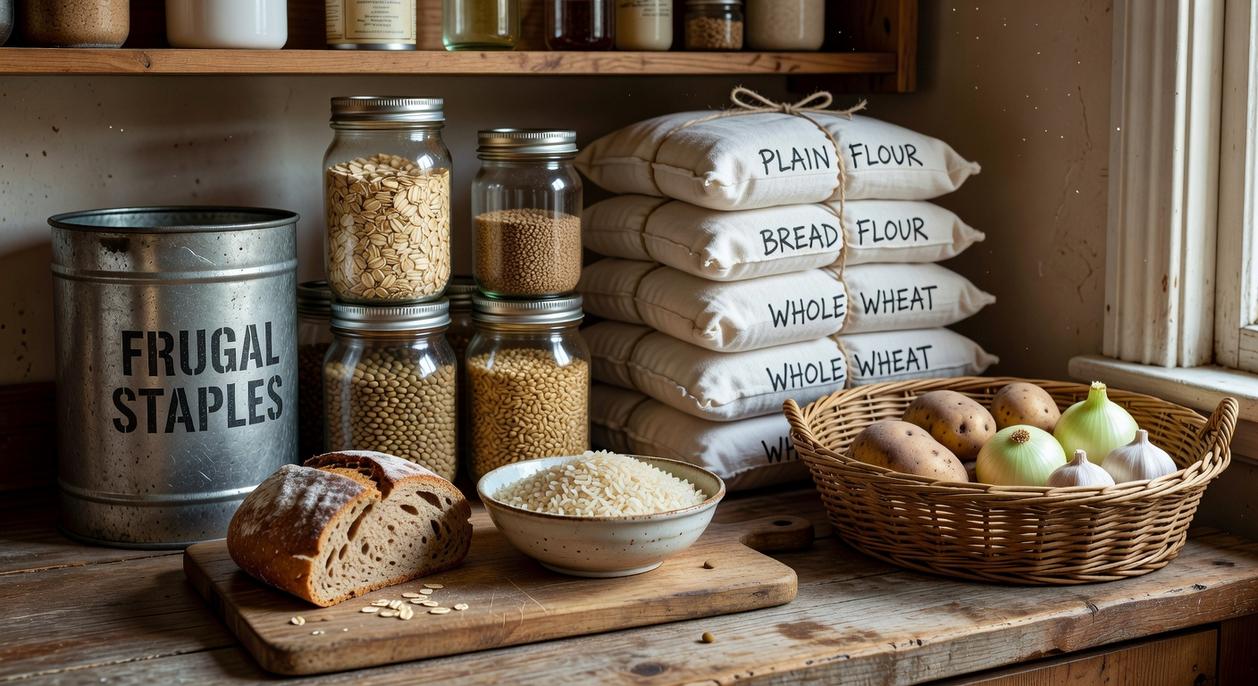
Every smart kitchen runs on a tight crew of high-impact basics—the kind that turn budget pantry staples into meals that taste intentional, not accidental.
Cooking Oil (Canola, Vegetable, or Olive): A true non-negotiable. Neutral oils like canola or vegetable handle high heat, while olive oil shines in dressings and sautés. Buying larger containers typically lowers the per-ounce cost (unit pricing on shelf tags proves it). Pro tip: store away from heat and light to prevent rancidity.
Essential Spices:
- Salt
- Pepper
- Garlic Powder
- Onion Powder
- Cumin
- Paprika
These six build countless flavor profiles—from smoky tacos to cozy roasted veggies. Bulk bins and international markets often cost far less per ounce.
Vinegar (White and Apple Cider): Adds brightness to marinades and sauces. White vinegar also doubles as a low-cost household cleaner (acetic acid cuts grease effectively).
Soy Sauce and Hot Sauce: A splash delivers deep umami (that savory, mouth-filling taste) to stir-fries and soups. Think of it as your culinary “Avengers assemble” moment (yes, that dramatic).
Your Blueprint for an Affordable, Delicious Pantry
You now have a clear path forward: a strategic collection of budget pantry staples that turns “What’s for dinner?” into a stress-free question. No more blank stares into the fridge. No more overpriced, last-minute grocery runs for one missing ingredient (we’ve all been there).
Here’s what I recommend:
- Start with versatile basics like rice, beans, pasta, canned tomatoes, oats, and spices.
- Choose ingredients that mix and match easily for soups, stir-fries, casseroles, and bowls.
- Prioritize long shelf life and high nutritional value.
Some people argue fresh-only shopping is healthier. But a thoughtfully stocked pantry actually reduces waste, saves money, and supports balanced meals (especially on busy weeknights).
Pro tip: Audit your pantry today. Circle what’s missing. Then commit to buying just two or three essentials each week.
In a month, you’ll have a flexible, affordable foundation that makes creative, low-cost cooking feel effortless—and even fun.
Make Every Dollar in Your Kitchen Count
You came here looking for smarter ways to stretch your grocery budget without sacrificing flavor — and now you have the tools to do exactly that. From creative meal prep hacks to building meals around budget pantry staples, you’ve seen how simple shifts can turn tight grocery weeks into satisfying, stress-free wins.
The truth is, overspending on food often comes down to not having a clear plan. When you rely on affordable staples, explore low-cost flavor boosts, and prep with intention, you stop feeling restricted and start feeling resourceful. That’s how you take control of rising food costs instead of letting them control you.
Now it’s your move. Take a look at your pantry, build this week’s meals around what you already have, and stock up strategically on budget pantry staples that stretch further than you think. Thousands of readers are already transforming the way they cook and save — and you can too.
Start planning your next three meals today, shop with purpose, and put these strategies into action. Your wallet — and your table — will thank you.
 Marketing & Communications Specialist
Kimberly Morrisoilers writes the kind of low-cost culinary exploration content that people actually send to each other. Not because it's flashy or controversial, but because it's the sort of thing where you read it and immediately think of three people who need to see it. Kimberly has a talent for identifying the questions that a lot of people have but haven't quite figured out how to articulate yet — and then answering them properly.
They covers a lot of ground: Low-Cost Culinary Exploration, Meal Prep Hacks on a Budget, Helpful Reads, and plenty of adjacent territory that doesn't always get treated with the same seriousness. The consistency across all of it is a certain kind of respect for the reader. Kimberly doesn't assume people are stupid, and they doesn't assume they know everything either. They writes for someone who is genuinely trying to figure something out — because that's usually who's actually reading. That assumption shapes everything from how they structures an explanation to how much background they includes before getting to the point.
Beyond the practical stuff, there's something in Kimberly's writing that reflects a real investment in the subject — not performed enthusiasm, but the kind of sustained interest that produces insight over time. They has been paying attention to low-cost culinary exploration long enough that they notices things a more casual observer would miss. That depth shows up in the work in ways that are hard to fake.
Marketing & Communications Specialist
Kimberly Morrisoilers writes the kind of low-cost culinary exploration content that people actually send to each other. Not because it's flashy or controversial, but because it's the sort of thing where you read it and immediately think of three people who need to see it. Kimberly has a talent for identifying the questions that a lot of people have but haven't quite figured out how to articulate yet — and then answering them properly.
They covers a lot of ground: Low-Cost Culinary Exploration, Meal Prep Hacks on a Budget, Helpful Reads, and plenty of adjacent territory that doesn't always get treated with the same seriousness. The consistency across all of it is a certain kind of respect for the reader. Kimberly doesn't assume people are stupid, and they doesn't assume they know everything either. They writes for someone who is genuinely trying to figure something out — because that's usually who's actually reading. That assumption shapes everything from how they structures an explanation to how much background they includes before getting to the point.
Beyond the practical stuff, there's something in Kimberly's writing that reflects a real investment in the subject — not performed enthusiasm, but the kind of sustained interest that produces insight over time. They has been paying attention to low-cost culinary exploration long enough that they notices things a more casual observer would miss. That depth shows up in the work in ways that are hard to fake.