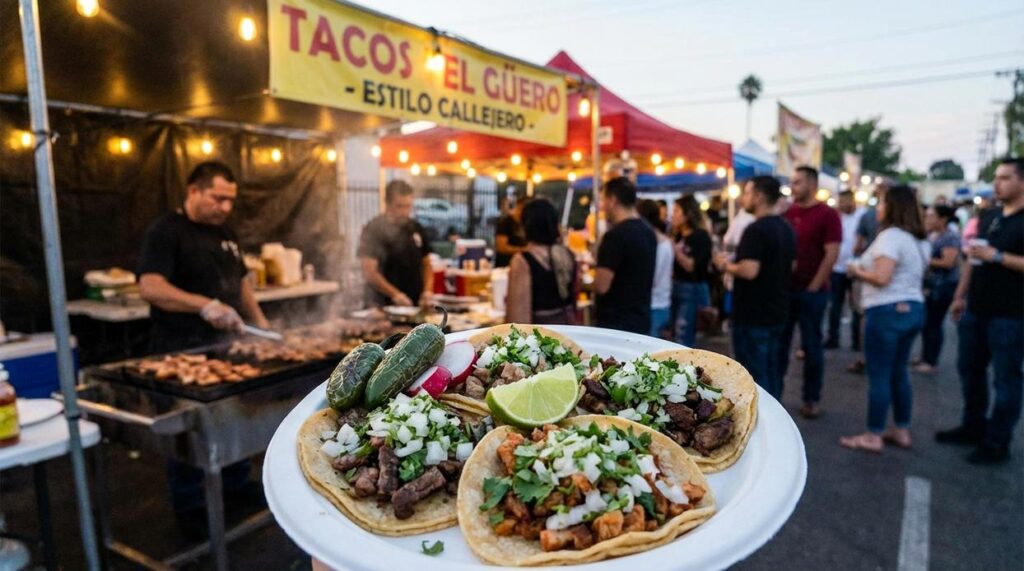

Craving bold flavors without blowing your grocery budget? This guide to budget global street food shows you how to bring vibrant, international dishes into your kitchen for just a few dollars per serving. Whether you’re looking to stretch your weekly meal plan, spice up repetitive dinners, or explore new cuisines affordably, this article is designed to help you do more with less.
We break down practical strategies for sourcing low-cost ingredients, smart substitutions that protect flavor, and simple meal prep hacks that save both time and money. You’ll discover how classic street foods from around the world can be recreated with pantry staples and accessible produce—no specialty store runs required.
Our approach combines hands-on recipe testing, cost comparisons, and proven frugal cooking techniques to ensure every tip is realistic and repeatable. By the end, you’ll have actionable ideas to turn everyday ingredients into exciting, globally inspired meals that fit your budget.
Back in 2020, when travel plans stalled, I started chasing flavors closer to home. After months of testing night markets and food trucks, one truth stood out: world’s bites aren’t found in white-tablecloth dining rooms. They’re sizzling on street corners.
This is your passport to bold, affordable taste. From Mexico City’s tacos to Bangkok’s pad thai, budget global street food proves that authenticity doesn’t require a splurge.
Why does this matter now? Food prices have climbed since 2022 (Bureau of Labor Statistics), pushing diners to rethink habits.
- Start with country per week and recreate a classic dish at home
Asia’s Unbeatable Bites: The Flavor-Per-Dollar Champions
Traveling (or eating) on a budget doesn’t mean sacrificing flavor. In fact, some of the world’s most satisfying meals cost less than your daily coffee. Here’s what you gain: maximum taste, minimal spend, and a deeper connection to local culture—all in a few unforgettable bites.
Bánh Mì (Vietnam)
A legacy of French colonial influence meets bold Vietnamese flavor. Crisp baguette, savory meats, pickled carrots and daikon, cilantro, and chili create a harmony of crunch, heat, and freshness. For just a few dollars, you get a balanced meal—protein, carbs, veggies—in one handheld package. The benefit? Affordable nourishment that feels gourmet (and portable enough to eat curbside like a true local).
Vada Pav (India)
Often called Mumbai’s burger, this spiced potato fritter tucked in a soft roll delivers comfort and heat in equal measure. Paired with chutneys, it’s vegetarian, filling, and incredibly cheap. The upside for you: serious satiety without stretching your wallet. It’s proof that budget global street food can rival any fast-food chain on flavor and value.
Takoyaki (Japan)
These golden octopus-filled balls are crisp outside, creamy inside, and topped with savory sauce and dancing bonito flakes. They’re fun, shareable, and affordable. Your win? A uniquely Osaka experience that turns snack time into a cultural moment (street food as dinner theater).
Eat smart, spend less, taste more—that’s the real return on investment.
Latin America’s Hearty & Inexpensive Street Staples
Latin America has mastered the art of turning simple ingredients into unforgettable street food. At first glance, these dishes may look basic. However, once you understand what goes into them, you realize why they’ve become icons of budget global street food.
Tacos al Pastor (Mexico) often confuse first-timers. The pork is cooked on a vertical spit—a rotating skewer similar to shawarma. Thin slices are shaved directly onto small corn tortillas and topped with pineapple, onions, and cilantro. Because each taco is small and inexpensive, you can order two or five depending on your appetite (no judgment if you lose count).
Arepas (Colombia/Venezuela) are another staple worth clarifying. An arepa is a thick cornmeal patty made from ground maize dough. It’s grilled, baked, or fried, then sliced open and stuffed. Common fillings include:
- Cheese
- Shredded beef or chicken
- Black beans
- Avocado
In other words, it’s a handheld meal that’s both filling and affordable.
Elote (Mexico) may sound fancy, but it’s simply corn on the cob elevated to legendary status. Vendors coat it with mayonnaise, crumbly cotija cheese, chili powder, and a squeeze of lime. The result is creamy, tangy, spicy perfection.
Some argue street food isn’t always “real cuisine.” Yet these dishes prove that flavor, tradition, and affordability can absolutely share the same plate.
Savvy Street Eats in Europe & The Middle East
If you ask me, nothing stretches your travel budget further than street food. Forget white tablecloths—give me a paper-wrapped pita and a park bench any day. This is budget global street food at its absolute best.
Gyro/Doner Kebab (Greece/Turkey) is, in my opinion, the undefeated champion. Meat roasted on a vertical rotisserie (a slow-turning spit that cooks from the outside in) gets shaved into warm pita with tomatoes, onions, and creamy sauces. Some argue it’s “too heavy” or touristy. I disagree. It’s protein-packed, customizable, and often under €5. That’s not tourist food—that’s smart eating.
Currywurst (Germany) keeps things gloriously simple. Sliced pork sausage, drenched in curry ketchup, usually served with fries. Critics say it’s basic. Sure. But that’s the charm. It’s quick, cheap, and deeply satisfying—like Berlin’s answer to comfort food after a long day of sightseeing.
Then there’s Falafel (Middle East)—crispy chickpea or fava bean fritters tucked into pita with tahini. It’s vegetarian, filling, and reliably affordable. Some claim street falafel can be inconsistent. True, but when it’s good, it’s really good (pro tip: look for busy stalls; high turnover means fresher batches).
And if you want to recreate these flavors at home, experiment with affordable spices that instantly upgrade simple meals. Because honestly, flavor—not price—is what makes a meal memorable.
You don’t need a plane ticket to chase bold flavors (your kitchen will do fine). The core principle is simple: adapt, don’t imitate. Street vendors cook with what’s available; you can too.
Meal Prep Magic:
• Marinate al pastor pork on Sunday; tuck it into tacos, rice bowls, or omelets all week.
• Mix falafel batter once; pan-fry for wraps or crumble over salads.
Smart Swaps:
• No cotija? Parmesan or feta nails the salty punch.
• No baguette? Toast a sub roll for bánh mì vibes.
This is budget global street food thinking: capture the flavor profile, not the passport stamp. What’s next? Try blending cuisines together (kimchi quesadillas, anyone?) and build sauce lineup to keep meals exciting.
Begin Your Low-Cost Culinary Adventure

By now, you’ve seen that a tight budget doesn’t cancel big flavor—it just redirects it. Instead of defaulting to pricey restaurants, start with one standout from this budget global street food list and make it your mission this week. Craving tacos al pastor or pad thai? First, check markets or food trucks; if that fails, recreate it at home with staples. Staples (rice, beans, noodles, eggs) stretch further than you think.
Importantly, plan before you shop and compare prices. Small swaps add up. Choose one dish. Commit. Cook or find it locally. wallet—and taste buds—win.
Savor More Flavor Without Spending More
You came here looking for creative, affordable ways to enjoy bold flavors without blowing your grocery budget — and now you have them. From smart ingredient swaps to simple meal prep hacks, you’ve seen how budget global street food can transform everyday staples into exciting, crave-worthy meals.
The real frustration isn’t just high food prices — it’s the feeling that eating well or exploring new cuisines has to be expensive. It doesn’t. With the right approach, you can stretch every dollar while still filling your table with vibrant, international flavors.
Now it’s your move. Pick one recipe, plan your week around versatile low-cost ingredients, and start building your own rotation of global favorites at home. If you’re ready for more practical tips, flavor-packed ideas, and proven ways to cut your grocery bill without sacrificing taste, explore our budget-friendly guides and start cooking smarter today. Thousands of readers are already saving money and eating better — you can too.
 Operations Manager
Hilary Jamesuels writes the kind of helpful reads content that people actually send to each other. Not because it's flashy or controversial, but because it's the sort of thing where you read it and immediately think of three people who need to see it. Hilary has a talent for identifying the questions that a lot of people have but haven't quite figured out how to articulate yet — and then answering them properly.
They covers a lot of ground: Helpful Reads, Frugal Fusion Cuisine, Meal Prep Hacks on a Budget, and plenty of adjacent territory that doesn't always get treated with the same seriousness. The consistency across all of it is a certain kind of respect for the reader. Hilary doesn't assume people are stupid, and they doesn't assume they know everything either. They writes for someone who is genuinely trying to figure something out — because that's usually who's actually reading. That assumption shapes everything from how they structures an explanation to how much background they includes before getting to the point.
Beyond the practical stuff, there's something in Hilary's writing that reflects a real investment in the subject — not performed enthusiasm, but the kind of sustained interest that produces insight over time. They has been paying attention to helpful reads long enough that they notices things a more casual observer would miss. That depth shows up in the work in ways that are hard to fake.
Operations Manager
Hilary Jamesuels writes the kind of helpful reads content that people actually send to each other. Not because it's flashy or controversial, but because it's the sort of thing where you read it and immediately think of three people who need to see it. Hilary has a talent for identifying the questions that a lot of people have but haven't quite figured out how to articulate yet — and then answering them properly.
They covers a lot of ground: Helpful Reads, Frugal Fusion Cuisine, Meal Prep Hacks on a Budget, and plenty of adjacent territory that doesn't always get treated with the same seriousness. The consistency across all of it is a certain kind of respect for the reader. Hilary doesn't assume people are stupid, and they doesn't assume they know everything either. They writes for someone who is genuinely trying to figure something out — because that's usually who's actually reading. That assumption shapes everything from how they structures an explanation to how much background they includes before getting to the point.
Beyond the practical stuff, there's something in Hilary's writing that reflects a real investment in the subject — not performed enthusiasm, but the kind of sustained interest that produces insight over time. They has been paying attention to helpful reads long enough that they notices things a more casual observer would miss. That depth shows up in the work in ways that are hard to fake.