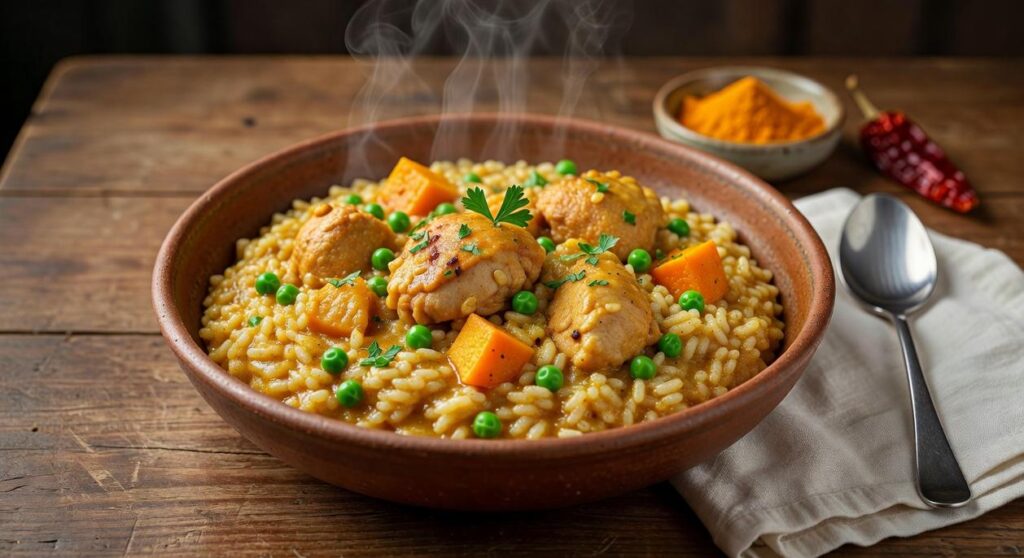
Curious about how to bring bold global flavors into your kitchen without stretching your grocery budget? This guide explores how Asian Mediterranean fusion blends vibrant herbs, spices, and techniques from two rich culinary traditions into affordable, creative meals you can make at home.
Many home cooks assume fusion cuisine requires specialty ingredients or advanced skills. In reality, it’s about smart pairings—like combining soy sauce with olive oil, or miso with lemon and garlic—to create depth without increasing cost. This article breaks down practical ingredient swaps, budget-friendly shopping strategies, and simple meal prep hacks that make these flavors accessible any night of the week.
Our approach is grounded in hands-on recipe testing, cost comparisons, and proven frugal cooking methods to ensure every idea is both flavorful and financially realistic. By the end, you’ll know exactly how to build exciting, globally inspired dishes while keeping your spending comfortably under control.
East Meets West on Your Plate: A Guide to Flavorful, Frugal Fusion
I used to think fusion cooking meant specialty markets and a drained wallet. I was wrong. Flavor overlap—shared ingredients or techniques across cuisines—makes Asian Mediterranean fusion practical. Soy sauce and olive oil both deliver savory depth (umami, the rich taste identified by Kikunae Ikeda in 1908). Chickpeas love miso; ginger brightens lemony tahini.
- Start with a base you know.
- Swap one bold element.
- Finish with herbs.
Some argue authenticity suffers. I disagree; home kitchens thrive on adaptation. Pro tip: batch-cook grains to stretch meals affordably.
The Philosophy of Fusion: Why These Two Cuisines Marry So Well
At first glance, Mediterranean and Asian cuisines seem worlds apart. Different continents. Different pantry staples. But look closer and you’ll see shared principles that make Asian Mediterranean fusion feel surprisingly natural.
Both cuisines rely on fresh herbs like cilantro, parsley, and mint; vegetable-forward plates; healthy fats such as olive oil and sesame oil; and simple grilled proteins. These overlaps create what chefs call flavor bridges—ingredients that connect two traditions. For example, squeeze lemon over a soy-glazed chicken skewer. The acidity balances umami (that savory depth identified by Japanese scientist Kikunae Ikeda in 1908). Or swirl tahini into gochujang for a creamy-spicy sauce that works on roasted eggplant.
Try this:
- Grill chicken with olive oil and garlic.
- Toss cucumbers with rice vinegar and sesame oil.
- Finish with herbs and a drizzle of tahini.
It’s plant-forward, budget-friendly, and rooted in whole foods—an approach linked to lower heart disease risk (Harvard T.H. Chan School of Public Health). Pro tip: build meals around seasonal produce to save more.
Your Fusion Pantry: 10 Essential Ingredients for Under $50

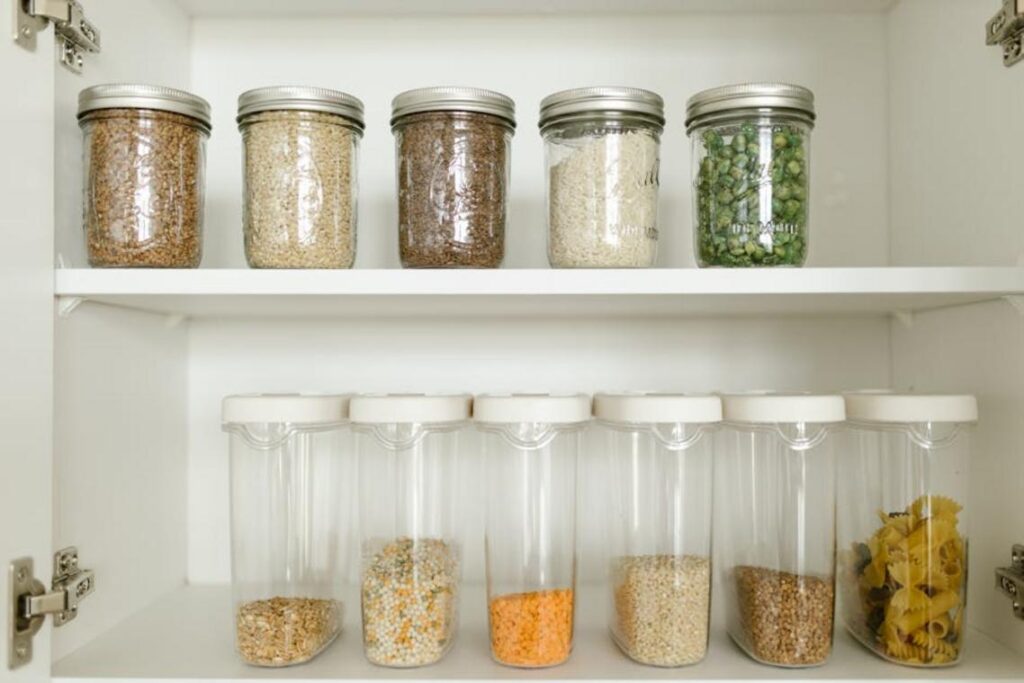
Building a versatile pantry doesn’t require a celebrity-chef budget. In fact, with a focused list and a quick trip to the right store, you can create weeks of meals for under $50. Here’s how to do it—step by step.
The Mediterranean Staples
Start with five affordable essentials:
- Canned chickpeas – Protein-packed legumes (a legume is simply a seed from the pea family) for salads, stews, or crispy roasted snacks.
- Lemons – Bright acidity transforms simple rice or beans instantly.
- Olive oil – A heart-healthy fat rich in monounsaturated fats (Harvard T.H. Chan School of Public Health).
- Dried oregano – Earthy flavor for marinades and dressings.
- Feta cheese – Salty, tangy richness in small, budget-stretching crumbles.
For example, toss chickpeas with olive oil, oregano, and lemon for a five-minute side dish.
The Asian Staples
Next, layer in bold flavor builders:
- Soy sauce – A fermented sauce (fermentation enhances depth and shelf life).
- Rice vinegar – Mild acidity for balance.
- Sesame oil – Nutty aroma; use sparingly.
- Fresh ginger – Zesty warmth for stir-fries.
- Jasmine rice – Fragrant, affordable base for countless meals.
Cook jasmine rice, top with soy-sautéed chickpeas, finish with sesame oil and lemon—simple Asian Mediterranean fusion in action.
The “Magic” Connectors
Garlic, onions, and chili flakes bridge both cuisines beautifully (and cost pennies per serving). They create depth, sweetness, and heat without extra expense.
Smart Shopping Tips
First, check ethnic markets for better spice prices. Next, buy rice and legumes in bulk. Finally, compare unit prices on shelf tags (pro tip: bigger isn’t always cheaper). With these basics, dinner stops being stressful—and starts being creative.
Three Simple Recipes to Start Your Culinary Exploration
If you’re curious about blending bold flavors without blowing your grocery budget, I recommend starting small but intentional. These three dishes are approachable, flexible, and perfect for experimenting with Asian Mediterranean fusion at home.
Recipe 1: Lemon Herb Udon with Feta and Chickpeas
This dish proves noodles don’t need soy sauce to shine. Udon—thick Japanese wheat noodles—offer a chewy base that soaks up bright lemon juice and olive oil beautifully. Toss cooked udon with chickpeas (for affordable plant protein), crumbled feta, fresh parsley, dill, lemon zest, and a drizzle of olive oil. Finish with cracked black pepper and a pinch of salt.
Some purists might argue that swapping traditional dashi broth for lemon and herbs “misses the point.” I disagree. Culinary exploration is about using what you have and making it work (and taste amazing). The feta adds creamy saltiness, while chickpeas make it hearty enough for dinner.
Recommendation: Serve this slightly warm, not piping hot, so the feta softens without fully melting.
Recipe 2: Gochujang-Spiced Hummus with Toasted Sesame Seeds
Gochujang is a Korean fermented chili paste—sweet, savory, and mildly spicy (think miso meets Sriracha). Blend canned chickpeas, tahini, garlic, lemon juice, olive oil, and a spoonful of gochujang until smooth. Top with toasted sesame seeds and a light drizzle of oil.
Some might say hummus should stay classic. But adding gochujang deepens the umami (that savory “fifth taste”) and makes it feel brand new.
Try this:
- Spread it on wraps
- Pair with cucumbers and carrots
- Use it as a sandwich spread
Recipe 3: Soy-Ginger Marinated Chicken Skewers with Tzatziki
Marinate chicken chunks in soy sauce, grated ginger, garlic, and a splash of rice vinegar for at least 30 minutes. Skewer and grill or bake until lightly charred. Pair with tzatziki—Greek yogurt mixed with cucumber, garlic, lemon, and dill—for a cool contrast.
Some argue mixing yogurt sauce with soy marinade clashes. In reality, the creamy tang balances the salty depth perfectly (sweet-salty-creamy is a winning trio).
Recommendation: Make extra skewers and reuse leftovers in bowls or wraps. For more inspiration, explore leftover makeovers turning extras into fusion dishes.
Batch cook grains to build flexible, low-cost meals all week. Prepare a big pot of rice or quinoa—both budget-friendly staples with long fridge lives—and use them for Mediterranean bowls with olives and feta or quick stir-fries with sesame oil and greens. (Same base, totally different vibe.) This single step saves time, energy, and impulse takeout spending.
Create a “fusion” vinaigrette with olive oil, rice vinegar, soy sauce, lemon juice, and garlic. It doubles as salad dressing, noodle sauce, or marinade for Asian Mediterranean fusion dishes.
Prep versatile veggies like onions, bell peppers, and carrots to streamline cooking and reduce food waste.
Bring the World to Your Kitchen Tonight
You now have a practical framework for blending bold Asian and Mediterranean flavors at home. Instead of buying specialty sauces, start with shared staples like olive oil, garlic, soy sauce, citrus, and herbs—ingredients found in supermarkets. Because these basics overlap, you save money while expanding flavor. That’s the power of Asian Mediterranean fusion. However, some argue fusion cooking is complicated; in reality, simple techniques—like pairing tahini with ginger or adding feta to stir-fried vegetables—create depth fast. So tonight, choose a recipe, prep in under 30 minutes, and taste what your pantry can do.
Bring Bold Flavor to Your Budget Kitchen
You came here looking for creative, affordable ways to elevate your meals without stretching your wallet—and now you have them. From smart ingredient swaps to strategic meal prep and flavor-packed combinations, you’ve seen how Asian Mediterranean fusion can transform simple staples into exciting, budget-friendly dishes.
The real frustration isn’t just high grocery bills—it’s boring meals that make sticking to a budget feel like a sacrifice. But eating well and spending less can absolutely go together when you use the right techniques, plan ahead, and build meals around versatile, low-cost ingredients.
Now it’s your turn to put this into action. Start with one fusion-inspired recipe this week, prep a few core ingredients in bulk, and experiment with flavors you already love. If you want more practical meal prep hacks, globally inspired budget recipes, and proven ways to cut food costs without cutting flavor, explore more guides and start cooking smarter today. Delicious, affordable meals are completely within reach—you just have to take the first step.
 Operations Manager
Hilary Jamesuels writes the kind of helpful reads content that people actually send to each other. Not because it's flashy or controversial, but because it's the sort of thing where you read it and immediately think of three people who need to see it. Hilary has a talent for identifying the questions that a lot of people have but haven't quite figured out how to articulate yet — and then answering them properly.
They covers a lot of ground: Helpful Reads, Frugal Fusion Cuisine, Meal Prep Hacks on a Budget, and plenty of adjacent territory that doesn't always get treated with the same seriousness. The consistency across all of it is a certain kind of respect for the reader. Hilary doesn't assume people are stupid, and they doesn't assume they know everything either. They writes for someone who is genuinely trying to figure something out — because that's usually who's actually reading. That assumption shapes everything from how they structures an explanation to how much background they includes before getting to the point.
Beyond the practical stuff, there's something in Hilary's writing that reflects a real investment in the subject — not performed enthusiasm, but the kind of sustained interest that produces insight over time. They has been paying attention to helpful reads long enough that they notices things a more casual observer would miss. That depth shows up in the work in ways that are hard to fake.
Operations Manager
Hilary Jamesuels writes the kind of helpful reads content that people actually send to each other. Not because it's flashy or controversial, but because it's the sort of thing where you read it and immediately think of three people who need to see it. Hilary has a talent for identifying the questions that a lot of people have but haven't quite figured out how to articulate yet — and then answering them properly.
They covers a lot of ground: Helpful Reads, Frugal Fusion Cuisine, Meal Prep Hacks on a Budget, and plenty of adjacent territory that doesn't always get treated with the same seriousness. The consistency across all of it is a certain kind of respect for the reader. Hilary doesn't assume people are stupid, and they doesn't assume they know everything either. They writes for someone who is genuinely trying to figure something out — because that's usually who's actually reading. That assumption shapes everything from how they structures an explanation to how much background they includes before getting to the point.
Beyond the practical stuff, there's something in Hilary's writing that reflects a real investment in the subject — not performed enthusiasm, but the kind of sustained interest that produces insight over time. They has been paying attention to helpful reads long enough that they notices things a more casual observer would miss. That depth shows up in the work in ways that are hard to fake.