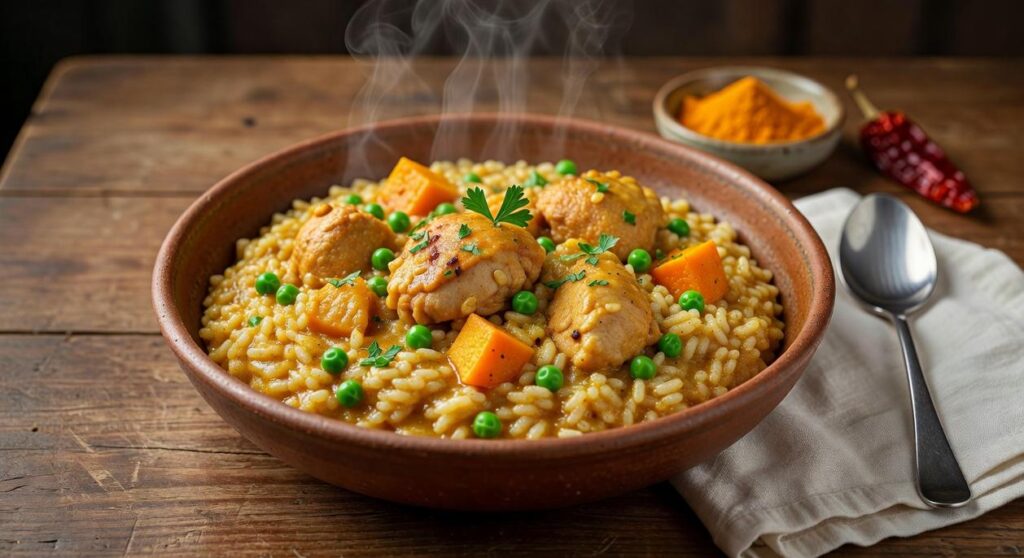

Eating well on a tight budget shouldn’t mean sacrificing flavor, creativity, or cultural exploration. If you’re searching for practical ways to stretch your grocery dollars while still enjoying exciting meals, this article is designed for you. We’ll show you how to combine smart shopping strategies, low-cost ingredients, and inventive culinary culture pairings to create satisfying dishes without overspending.
From frugal fusion ideas to efficient meal prep hacks, you’ll discover how to turn simple staples into globally inspired plates that feel anything but basic. Every tip is rooted in real-world budgeting experience, practical kitchen testing, and proven cost-saving methods that prioritize both taste and nutrition.
Whether you’re feeding a family or cooking for one, this guide will help you reduce food waste, maximize every ingredient, and build a sustainable, budget-friendly approach to everyday cooking—without giving up the joy of discovering new flavors.
Unlock a World of Flavor: Why Perfect Pairings Don’t Need a Price Tag
By exploring smart pairings that blend culinary cultures, you can not only elevate your meals but also find creative ways to save money, making it the perfect complement to our ‘Step-by-Step Guide to Budget Meal Prep for Beginners.’
Think authentic pairings require white tablecloths and a sommelier? Not even close. Great flavor is about balance—how two foods enhance each other—not about price.
Many people assume you need expertise or rare ingredients to enjoy culinary culture pairings. That’s simply not true. While fine dining highlights tradition, the core principle is contrast and complement (acid cuts fat; sweetness softens spice).
Try this:
- Tacos + lime sparkling water
- Pasta + garlic sautéed greens
- Dark chocolate + sea salt popcorn
Pro tip: Start with what’s already in your pantry and build from there.
The First Rule of Pairing is simple: what grows together, goes together. In other words, ingredients shaped by the same soil and sun tend to taste harmonious on the plate and in the glass. This terroir-based philosophy—terroir meaning the environmental factors that influence flavor—shows up again and again in traditional tables.
Take Italy. A Tuscan Chianti, with cherry and brisk acidity, meets a simmered tomato sauce clinging to pasta. As you take a bite, the wine’s sharp freshness slices through the sauce’s silky richness, resetting your palate for the next forkful. Meanwhile, the herbs echo each other like familiar notes in a song.
Now consider Mexico. Tequila made from blue agave mingles with lime’s citrus snap and the smoky spice of tacos al pastor. The corn tortilla smells warm and toasty; the salsa crackles with heat. Yet the tequila’s finish cools the fire, creating refreshing contrast.
Of course, some argue global fusion makes geography irrelevant. However, culinary culture pairings endure because they’re rooted in taste memory and climate logic.
For a frugal twist, start local. Pair a craft beer with regional cheese, or match seasonal fruit with a local wine. Pro tip: ask farmers what they drink with their produce.
The Art of Balance: Pairing Through Complement and Contrast
At its core, great food pairing comes down to one idea: balance. More specifically, the duality of flavor—complement and contrast. Complement means matching similar flavor profiles so they amplify each other. Contrast, on the other hand, brings opposing elements together to create harmony. Think of it as culinary chemistry (minus the lab coat).
Complementary Pairing – Germany
Consider a malty, slightly sweet Märzen beer paired with a rich, savory bratwurst. Both share bready, caramelized notes from toasted grains and browned meat. When enjoyed together, those flavors echo and intensify, creating a unified bite and sip. It’s like a duet where both singers hit the same note—stronger together than alone.
Contrasting Pairing – France
Now shift gears. A creamy, fatty Brie alongside a crisp Sauvignon Blanc works because of contrast. The wine’s bright acidity cuts through the cheese’s richness, cleansing the palate between bites. Acidity (a sharp, tangy taste found in citrus and certain wines) acts like a reset button. Without it, the cheese could feel heavy. With it, each bite tastes fresh again.
Of course, some argue you should stick to traditional culinary culture pairings and not experiment. Fair point—classics endure for a reason. But understanding why they work empowers you to improvise confidently.
Budget-friendly hack: try spicy chili with a cooling glass of milk, or rich chocolate cake with tart raspberry sauce. Same principles, zero fancy price tag.
What’s next? Start applying this to everyday cooking—or explore ideas like turning leftovers into creative fusion meals to keep experimenting without overspending.
Beyond the Grape: Exploring Teas, Beers, and Spirits
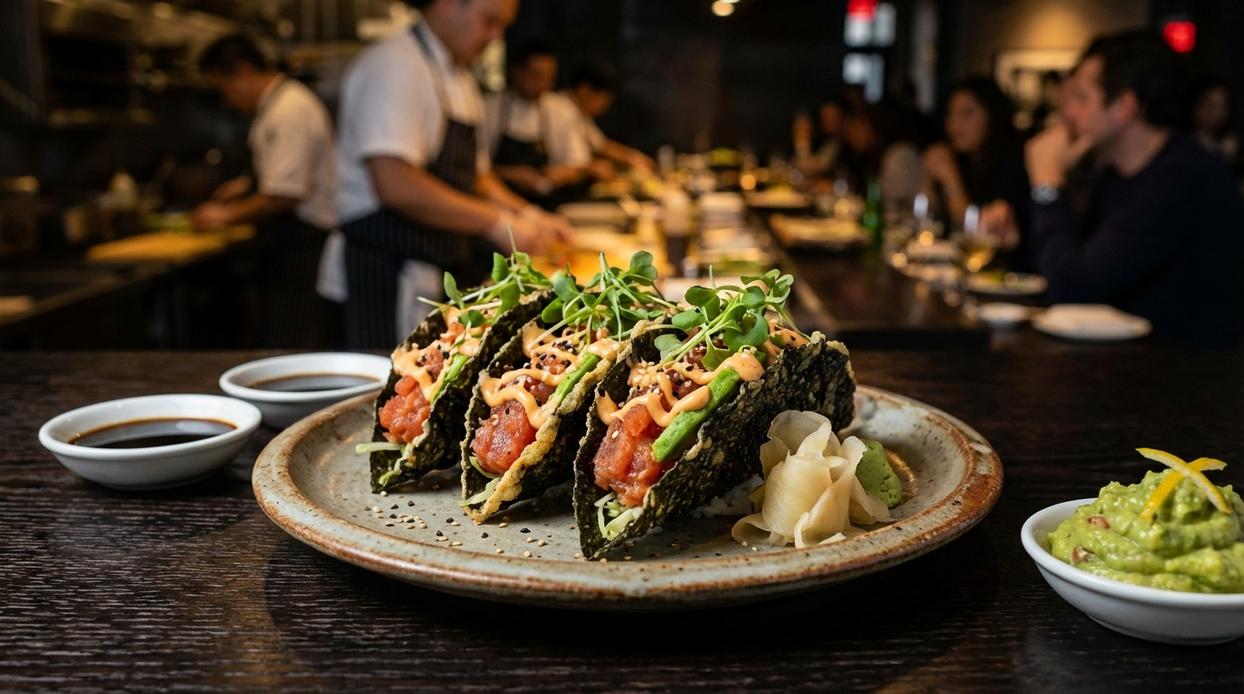
Wine often dominates pairing conversations—but A vs. B, grape vs. grain or leaf, isn’t even a fair fight. Wine is classic; tea, beer, and cultured dairy are versatile, affordable, and often more culturally aligned with everyday meals. If wine is the tuxedo, these drinks are the well-tailored smart casual (less fuss, just as sharp).
Looking Beyond Wine
Consider this side-by-side: a crisp white wine with sushi vs. green tea. The wine brings acidity; the tea brings umami (a savory depth recognized as the fifth taste) and gentle bitterness. That savory note mirrors the ocean freshness of fish without overpowering it. Pairing with Tea – Japan: Detail why the umami and slightly bitter notes of green tea (like Sencha) are the perfect match for the delicate flavors of sushi and sashimi. In contrast, wine can sometimes dominate subtle flavors.
Now shift to spice. A bold red wine with fiery curry might amplify heat. A chilled mango or salted Lassi—a yogurt-based drink—cools it. Yogurt contains casein, a milk protein that binds to capsaicin, the compound responsible for chili heat (National Institutes of Health). Beer refreshes; Lassi actively soothes.
Finally, think hearty fare: light lager vs. Belgian Dubbel with Carbonnade Flamande. A Dubbel’s dark fruit and spice notes echo the stew’s caramelized onions and slow-braised beef. Lager cleanses; Dubbel complements.
Pro tip: Brew a large batch of iced green tea or whisk up a simple yogurt drink at the start of the week. Easy pairings, zero extra cost, maximum flavor flexibility.
Your Frugal Pairing Framework: Three Simple Steps
Great flavor doesn’t require a gourmet budget—just a smart system.
Step 1: Identify the Dominant Flavor. Is your dish rich (like creamy pasta), acidic (tomato salad), spicy (chili), or sweet (glazed carrots)? Naming the core taste gives you control.
Step 2: Decide to Complement or Contrast. Complement means sweet with sweet. Contrast means cutting richness with citrus or tea. Both work—your goal decides.
Step 3: Shop Your Pantry First.
- Brewed tea for tannins
- Milk to mellow heat
- Citrus to brighten
- A simple beer for balance
This is how practical culinary culture pairings stretch flavor—and dollars.
Start Your Global Food Journey from Your Own Kitchen
You don’t need a passport—or a pricey specialty store haul—to explore global flavors. Master two principles: what grows together goes together (ingredients from the same region naturally pair well) and complement vs. contrast (balance similar flavors or opposites).
Try this:
- Pair tomatoes, basil, and olive oil for an Italian-inspired plate.
- Match spicy tacos with a cool yogurt sauce for contrast.
These simple culinary culture pairings prove creativity beats cost. Pick one principle tonight, test it with dinner, and taste the adventure (yes, even with leftovers). Start small and build confidence steadily.
Make Every Meal Count Without Overspending
You came here looking for smarter ways to enjoy flavorful, exciting meals without stretching your budget—and now you have the tools to do exactly that. From creative meal prep strategies to inspired culinary culture pairings, you’ve seen how affordable ingredients can transform into satisfying, globally inspired dishes.
Living on less doesn’t mean sacrificing taste. The real frustration is feeling stuck between high grocery prices and boring, repetitive meals. But with the right approach, you can turn simple staples into vibrant plates that feel indulgent without the cost. Smart planning, flexible recipes, and thoughtful flavor combinations put you back in control of your kitchen and your spending.
Now it’s your move. Start by choosing one new recipe style to try this week, build your grocery list around versatile low-cost ingredients, and prep ahead to save both time and money. If you’re ready for more budget-friendly food ideas, proven meal prep hacks, and creative flavor inspiration trusted by thousands of frugal food lovers, dive into our latest guides and start cooking smarter today. Your wallet—and your taste buds—will thank you.
 Operations Manager
Hilary Jamesuels writes the kind of helpful reads content that people actually send to each other. Not because it's flashy or controversial, but because it's the sort of thing where you read it and immediately think of three people who need to see it. Hilary has a talent for identifying the questions that a lot of people have but haven't quite figured out how to articulate yet — and then answering them properly.
They covers a lot of ground: Helpful Reads, Frugal Fusion Cuisine, Meal Prep Hacks on a Budget, and plenty of adjacent territory that doesn't always get treated with the same seriousness. The consistency across all of it is a certain kind of respect for the reader. Hilary doesn't assume people are stupid, and they doesn't assume they know everything either. They writes for someone who is genuinely trying to figure something out — because that's usually who's actually reading. That assumption shapes everything from how they structures an explanation to how much background they includes before getting to the point.
Beyond the practical stuff, there's something in Hilary's writing that reflects a real investment in the subject — not performed enthusiasm, but the kind of sustained interest that produces insight over time. They has been paying attention to helpful reads long enough that they notices things a more casual observer would miss. That depth shows up in the work in ways that are hard to fake.
Operations Manager
Hilary Jamesuels writes the kind of helpful reads content that people actually send to each other. Not because it's flashy or controversial, but because it's the sort of thing where you read it and immediately think of three people who need to see it. Hilary has a talent for identifying the questions that a lot of people have but haven't quite figured out how to articulate yet — and then answering them properly.
They covers a lot of ground: Helpful Reads, Frugal Fusion Cuisine, Meal Prep Hacks on a Budget, and plenty of adjacent territory that doesn't always get treated with the same seriousness. The consistency across all of it is a certain kind of respect for the reader. Hilary doesn't assume people are stupid, and they doesn't assume they know everything either. They writes for someone who is genuinely trying to figure something out — because that's usually who's actually reading. That assumption shapes everything from how they structures an explanation to how much background they includes before getting to the point.
Beyond the practical stuff, there's something in Hilary's writing that reflects a real investment in the subject — not performed enthusiasm, but the kind of sustained interest that produces insight over time. They has been paying attention to helpful reads long enough that they notices things a more casual observer would miss. That depth shows up in the work in ways that are hard to fake.