
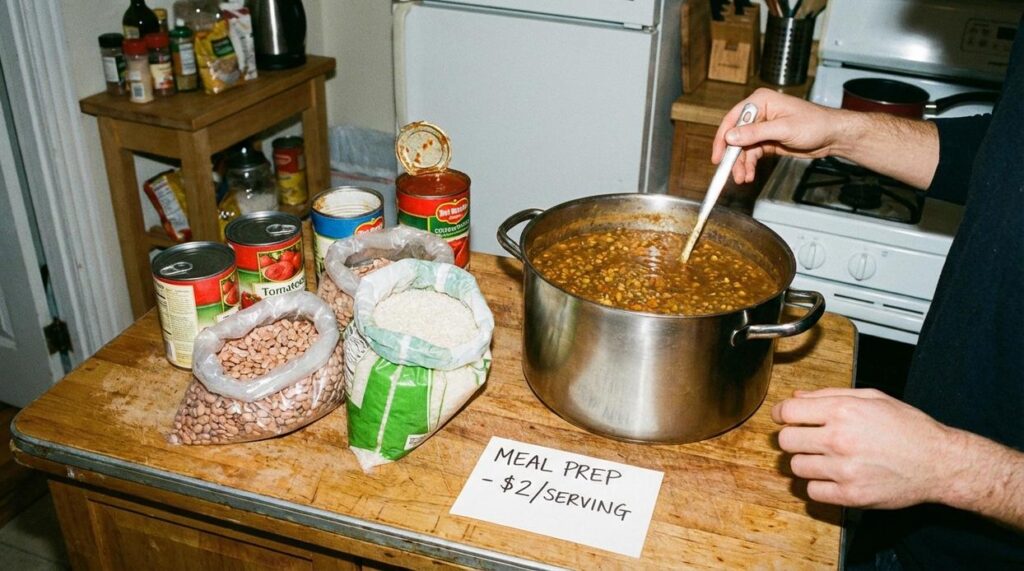
If you’re searching for the best frugal living books, you’re likely looking for more than just penny-pinching tips—you want practical strategies that actually make life easier, tastier, and more affordable. This article is designed to help you discover books that go beyond basic budgeting and dive into creative meal planning, low-cost culinary exploration, and smart everyday savings that don’t feel restrictive.
We’ve carefully reviewed and analyzed top-rated frugal living resources, comparing real-world practicality, reader feedback, and actionable value. Instead of repeating generic advice, we focus on books that offer proven systems, realistic food budgeting ideas, and sustainable lifestyle shifts you can implement right away.
Whether you’re trying to cut grocery costs, master meal prep, or explore frugal fusion cooking without sacrificing flavor, this guide will point you toward trustworthy reads that align with your goals—and help you make confident, informed choices.
Start With the Right Financial Playbook
If you’ve ever felt buried under conflicting money advice, you’re not alone. The right frugal living books simplify everything with clear systems, not vague motivation. For example, zero-based budgeting—a method where every dollar is assigned a job—turns scattered spending into intentional planning. Meanwhile, cash-stuffing guides provide step-by-step envelope breakdowns that make overspending harder (yes, it’s old-school, but it works).
Additionally, meal-planning manuals detail weekly prep templates, grocery cost benchmarks, and batch-cooking charts—practical features that translate directly into savings. Some argue free blogs are enough; however, structured frameworks consistently improve follow-through (see CFP Board research).
Mastering the Frugal Mindset: Books to Rewire Your Spending
If you’ve ever wondered why budgeting apps don’t “stick,” here’s the uncomfortable truth: spreadsheets don’t fix spending habits—beliefs do. The real benefit of foundational frugal living books is that they reshape how you think about money, which is where lasting change begins.
For the Beginner Seeking Structure
The Total Money Makeover is ideal if you crave a clear, step‑by‑step roadmap. Its core ideas—like the debt snowball (paying off debts smallest to largest for quick wins) and the “baby steps” system—remove guesswork. You’re not debating what to do next; you’re executing a plan.
The payoff? Momentum. Small victories build confidence, and confidence builds consistency (which beats motivation every time). Critics argue the approach is too rigid or mathematically imperfect compared to paying highest interest first. Fair point. But behavior change isn’t a math contest—it’s a psychology game. Quick wins keep you in the game long enough to see real progress.
For the Seeker of Financial Independence
Your Money or Your Life goes deeper. It introduces the concept of your real hourly wage—what you actually earn after taxes, commuting, and stress. That number can be sobering. But it’s powerful. When you measure purchases in life energy instead of dollars, spending shifts from impulse to intention.
Some say this philosophy feels extreme or anti-consumer. Yet aligning money with personal values isn’t deprivation—it’s design. You spend on what truly matters and cut what doesn’t. That clarity is freedom.
Key Takeaway
The benefit is simple but profound: change your mindset, and your habits follow. These books give you the mental framework to escape debt, build savings, and create a life where your money supports your goals—not the other way around.
The Frugal Kitchen: Top Reads for Delicious, Low-Cost Meals
The kitchen is where budgets are either rescued or wrecked. Groceries account for a significant share of household spending (the USDA reports food as one of the top monthly expenses for U.S. households), so smart strategy here matters. The right guidance can turn “tight budget” into “creative challenge.” That’s where a few standout frugal living books shine.
The Meal Prep Bible vs. The Waste-Not Warrior
Option A: Strategic Batch Cooking
Books like Cook Once, Eat All Week revolve around component cooking—preparing core ingredients (like roasted chicken, grains, and vegetables) and remixing them into different meals. Think tacos one night, grain bowls the next, soup after that.
This system reduces decision fatigue and impulse takeout (we’ve all been there at 6:47 p.m.). It also cuts costs by buying in bulk and minimizing half-used ingredients.
Pro tip: Plan overlapping ingredients intentionally—spinach can star in salads, omelets, and pasta in the same week.
Option B: Radical Waste Reduction
On the other side, The Frugal Foodie Cookbook champions root-to-stem cooking—using edible parts of produce that often get tossed. Broccoli stems become slaw. Carrot tops transform into pesto. Stale bread turns into ribollita or homemade croutons.
Some argue food scraps aren’t worth the effort. But the EPA estimates food waste makes up a significant portion of landfill material in the U.S. Reducing waste isn’t just thrifty—it’s practical. And honestly, reviving leftovers feels a bit like a kitchen magic trick (no wand required).
Flavor vs. Frugality? Not a Real Debate
Then there’s Good and Cheap: Eat Well on $4/Day, which proves budget meals don’t equal bland meals. It emphasizes whole foods—beans, rice, seasonal vegetables—and global flavors. This is where frugal fusion cuisine comes in: blending affordable pantry staples with bold spices and techniques from different culinary traditions.
Critics might say extreme budgeting limits variety. Yet when cumin, garlic, and chili flakes cost pennies per serving, flavor becomes one of the cheapest upgrades available.
If you want deeper insight into the science behind smart food spending, explore these top research articles on nutrition and budget diets.
Ultimately, the choice isn’t A vs. B—it’s strategy vs. creativity. The most resilient frugal kitchens borrow from both.
Beyond the Grocery List: Guides for Holistic Frugal Living
Frugality doesn’t stop at meal planning. In fact, once you look beyond the pantry, you realize the real savings—and freedom—are woven into everyday life. That’s where guides like The Tightwad Gazette come in. Often described as the modern homesteader’s handbook, it goes far beyond coupon clipping. You’ll find practical advice on making your own cleaning supplies (yes, vinegar really is a hero), tackling simple home repairs, and sharpening your shopping instincts. The benefit? Lower monthly expenses, fewer service calls, and a quiet confidence that you can handle more than you thought.
Meanwhile, The More of Less highlights the minimalist advantage. Minimalism, defined simply, is the practice of intentionally owning only what adds value to your life. As a result, spending naturally drops. When you stop buying “just in case” items, you reduce clutter, debt, and decision fatigue. Studies show clutter can increase stress levels (UCLA Center on Everyday Lives of Families), so owning less doesn’t just save money—it protects your peace.
Together, these frugal living books offer more than tips. They offer autonomy. And ultimately, that means more room in your budget—and your life—for what truly matters.
Knowledge is powerful, but only when it becomes action. You now have a curated set of frugal living books designed to move you from ideas to results.
If you’re living paycheck-to-paycheck, that means your income disappears before the month ends. If you feel out of control with spending, it means your money decisions feel automatic, not intentional. That stress adds up.
These guides offer clear, step-by-step roadmaps:
- Plan meals before shopping
- Tackle one debt at a time
- Declutter to reduce impulse buys
Pick one resource today. Borrow it, buy it, and apply one lesson immediately. Small steps create lasting change.
Make the Most of Every Dollar Starting Today
You came here looking for smarter ways to stretch your budget without sacrificing flavor, creativity, or joy in the kitchen. Now you have practical ideas, fresh inspiration, and realistic strategies to make low-cost meals exciting instead of restrictive.
The real challenge with frugal living isn’t knowing it’s important — it’s staying consistent when prices rise and time feels short. Overspending on groceries, wasting ingredients, and falling back on takeout can quietly drain your budget month after month.
The good news? With a little planning, smart ingredient swaps, and inspiration from trusted frugal living books, you can turn tight grocery budgets into satisfying, stress-free meal routines.
Now it’s your move. Start by planning your next 5 budget-friendly meals, shop with intention, and use proven frugal meal prep strategies to cut waste immediately. If you’re ready to save more without sacrificing taste, explore more budget meal guides and start implementing one new cost-cutting habit today. Your wallet — and your future self — will thank you.
 Nolissa Orvandora writes the kind of fresh insights content that people actually send to each other. Not because it's flashy or controversial, but because it's the sort of thing where you read it and immediately think of three people who need to see it. Nolissa has a talent for identifying the questions that a lot of people have but haven't quite figured out how to articulate yet — and then answering them properly.
They covers a lot of ground: Fresh Insights, Frugal Fusion Cuisine, Low-Cost Culinary Exploration, and plenty of adjacent territory that doesn't always get treated with the same seriousness. The consistency across all of it is a certain kind of respect for the reader. Nolissa doesn't assume people are stupid, and they doesn't assume they know everything either. They writes for someone who is genuinely trying to figure something out — because that's usually who's actually reading. That assumption shapes everything from how they structures an explanation to how much background they includes before getting to the point.
Beyond the practical stuff, there's something in Nolissa's writing that reflects a real investment in the subject — not performed enthusiasm, but the kind of sustained interest that produces insight over time. They has been paying attention to fresh insights long enough that they notices things a more casual observer would miss. That depth shows up in the work in ways that are hard to fake.
Nolissa Orvandora writes the kind of fresh insights content that people actually send to each other. Not because it's flashy or controversial, but because it's the sort of thing where you read it and immediately think of three people who need to see it. Nolissa has a talent for identifying the questions that a lot of people have but haven't quite figured out how to articulate yet — and then answering them properly.
They covers a lot of ground: Fresh Insights, Frugal Fusion Cuisine, Low-Cost Culinary Exploration, and plenty of adjacent territory that doesn't always get treated with the same seriousness. The consistency across all of it is a certain kind of respect for the reader. Nolissa doesn't assume people are stupid, and they doesn't assume they know everything either. They writes for someone who is genuinely trying to figure something out — because that's usually who's actually reading. That assumption shapes everything from how they structures an explanation to how much background they includes before getting to the point.
Beyond the practical stuff, there's something in Nolissa's writing that reflects a real investment in the subject — not performed enthusiasm, but the kind of sustained interest that produces insight over time. They has been paying attention to fresh insights long enough that they notices things a more casual observer would miss. That depth shows up in the work in ways that are hard to fake.