
Groceries are insanely expensive, right? Eating healthy shouldn’t feel like a luxury, but it does. I’m here to fix that.
I’ve spent years crafting budget-friendly culinary strategies (trust me, they work). You’re not alone in this struggle. The goal here?
To guide you in creating nutritious budget meals that won’t break the bank. Forget just listing cheap foods. Instead, you’ll get actionable meal blueprints and shopping strategies.
Imagine walking into a store and knowing exactly what to buy without overspending. That’s the promise. By the end, you’ll be ready to eat well and spend less.
Foundation of Budget Nutrition: Simplicity Over Superfoods
Eating healthy on a budget isn’t about splurging on exotic “superfoods.” It’s about mastering the basics. When you shift your mindset to embrace simplicity, nutritious budget meals become achievable. The “Plate Method” is key here.
Picture this: half your plate with vegetables, a quarter with lean protein, and a quarter with whole-grain carbs. Simple, right?
Cooking from scratch beats buying pre-packaged foods every time. A bag of potatoes versus a box of instant mashed potatoes? No contest.
You get more bang for your buck and better health benefits with whole foods. Why settle for less?
Let’s talk about “nutrient density.” It’s straightforward. Foods like lentils, eggs, and sweet potatoes pack more nutrition per dollar than those empty-calorie snacks. They’re the unsung heroes in your pantry.
And they taste pretty darn good, too.
If you’re looking for more inspiration, check out five staple foods budget friendly. It’s all about making smart choices without breaking the bank. Why pay more when you can eat well for less?
That’s the real question. Eating on a budget doesn’t have to be boring. Make it an adventure.
Protein Powerhouses That Won’t Empty Your Wallet
Ever felt like you’re spending too much on protein? You’re not alone. to the nutritious budget meals that keep your wallet happy and your meals satisfying.
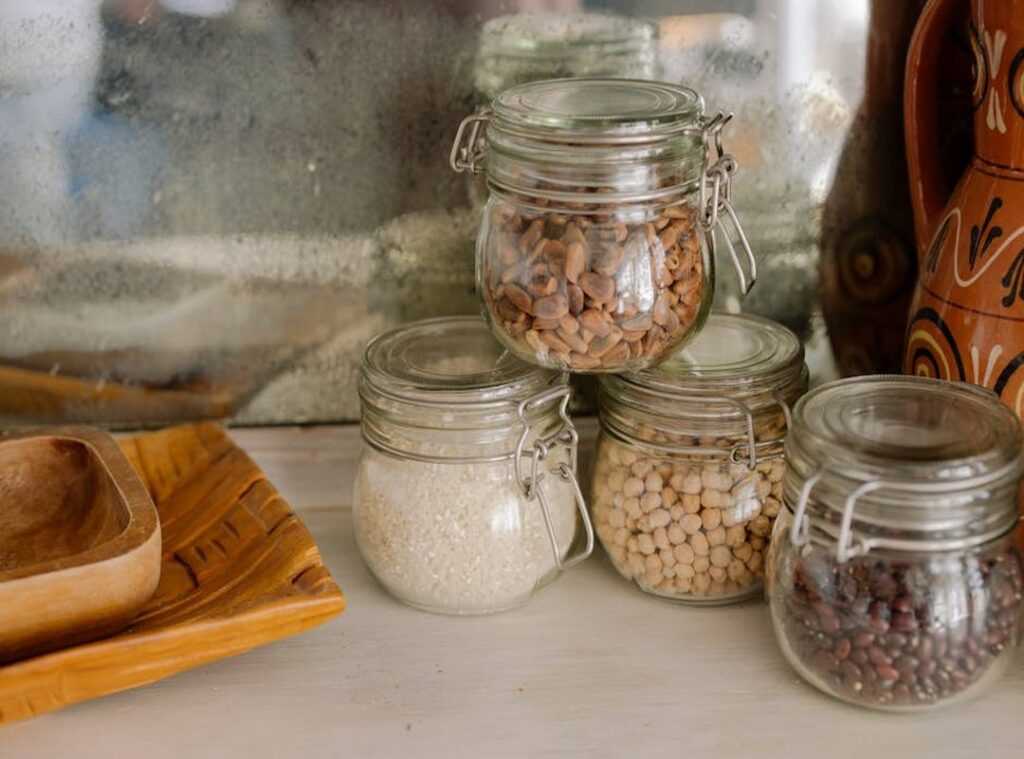
Dried beans, lentils, and chickpeas are your secret weapons. They’re cheap, they’re filling, and, let’s face it, they’re often overlooked. Cooking dried beans from scratch?
Simple. Soak them overnight (if you remember), then simmer until tender. You’ll save a bundle compared to canned options and have way more flavor control.
Beyond Chicken Breasts
Skip the costly chicken breasts and grab those juicy thighs instead. They pack more flavor and are just as versatile. Eggs for dinner?
Absolutely. They’re not just for breakfast, and they can transform into a hearty omelet or frittata (your) call.
Canned fish like tuna or sardines are another goldmine. They’re shelf-stable, packed with nutrients, and can jazz up a salad or pasta dish in no time.
Now, how about stretching that protein? A little trick. Bulking up meals with beans or lentils.
Less meat, more volume. Your chili or stir-fry won’t even miss the extra meat.
Pro tip: Add some chopped veggies to your pasta sauce. More nutrients, less expense.
Cooking on a budget doesn’t mean sacrificing flavor or nutrition. Remember, with these protein powerhouses, you’re not just cooking; you’re crafting delicious, frugal meals. So next time you’re meal planning, think beyond the usual proteins and try these budget-friendly options.
Building Your Plate: Smart Carbs and Seasonal Vegetables
When it comes to nutritious budget meals, carbs get a bad rap. But let’s set the record straight. Oats, brown rice, potatoes, and whole-wheat pasta aren’t just cheap, they’re powerhouses of sustained energy.
Ever noticed how a bowl of oatmeal keeps you full way longer than a sugary cereal? That’s the magic of complex carbs. They digest slowly, giving you energy all day.
Now, let’s talk about eating seasonally. It’s simple: buy what’s in season, and you save money. Plus, it tastes better.
In summer, zucchini, corn, and tomatoes are at their peak. Winter? Think cabbage, carrots, and squash. are these veggies more flavorful, but they’re also easier on your wallet when they’re in season.
And don’t skip the frozen food aisle. Frozen fruits and veggies are picked at their peak ripeness and are often cheaper than fresh. They also cut down on food waste (who hasn’t thrown out a forgotten bag of spinach?).
My top frozen picks? Broccoli, peas, berries, spinach, and green beans. These are lifesavers when you’re in a pinch.
Oh, and while you’re planning these meals, don’t forget about Affordable Protein Sources Beyond Meat. Pair these smart carbs and seasonal veggies with protein, and you’re set. Who said eating healthy on a budget was hard?
It’s all about smart choices and a bit of planning.
From Our Kitchen to Yours: 5 Meal Blueprints for Under $5
You know what’s great about meal blueprints? They give you freedom. No rigid recipes here.

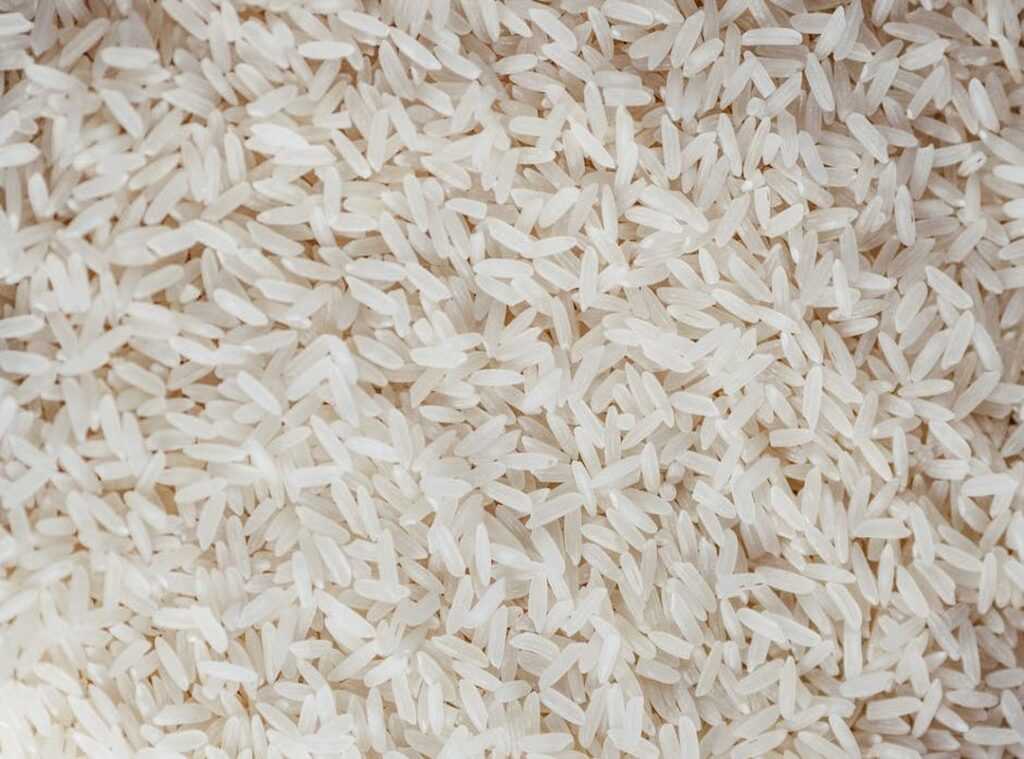
Just simple, adaptable formulas. First up, the “Everything” Bowl. Start with a grain base like rice.
Toss in some protein such as black beans. Add veggies (roasted sweet potatoes or corn (whatever’s) in the fridge). Top it off with salsa or yogurt.
It’s filling, tasty, and ridiculously cheap per serving.
Next, the One-Pot Lentil Stew. Lentils are a lifesaver. Simmer them in broth with mirepoix (that’s a fancy word for onion, carrot, celery).
Spice it up. Make a big batch. You’ll have meals for days.
It’s comfort food without the cost.
Then there’s the “Dinner” Scramble. Eggs are your best friend here. Mix in leftover veggies and sprinkle on some cheese.
Pair it with whole-wheat toast. It’s a quick way to get your protein fix on a busy weeknight. Trust me, you’ll thank yourself later.
Fourth, Frugal Fusion Tacos. Use tortillas as your canvas. Fill them with spiced protein (lentils or beans work wonders).
Add a crunchy cabbage slaw and a simple sauce. It’s fusion cuisine without the fuss.
Finally, the Speedy Stir-Fry. Use rice and a frozen veggie mix. Throw in some protein like tofu or egg.
Drizzle with a simple soy-ginger sauce. Done. Fast, easy, delicious.
These meals are more than just cheap. They’re nutritious budget meals. Perfect for those of us counting pennies but not willing to sacrifice taste.
Give it a try, tweak as you like. Eating well doesn’t have to break the bank.
Mastering Meal Times: Smart Planning & Waste Reduction
Planning meals shouldn’t be a headache. I suggest starting with a simple weekly meal plan. Plan just 3-4 dinners a week.
Why only a few? Because leftovers are a lifesaver, and it gives you the flexibility to adapt. This approach ensures you’re not overwhelmed and keeps everything manageable.
Now, about reducing waste. Ever find a half-wilted veggie hiding in the fridge? Yeah, me too.
Here’s a pro tip: use a “Use It First” box in your fridge for those about-to-spoil items. It’s a game-changer. Need another tip?
Store leafy greens with a paper towel. It’ll absorb moisture and keep them fresh longer.
These strategies are practical but make sure you’re eating nutritious budget meals without throwing money away. It’s all about smart planning and a bit of creativity in the kitchen. Who knew saving money could be so easy?
Eat Well Without Breaking the Bank
Eating healthy on a budget feels tough, doesn’t it? But it doesn’t have to be. Focus on whole ingredients and versatile meal blueprints.
That’s the secret to achieving your goal of nutritious budget meals. Stick with these simple strategies, and you’ll see long-term success. Consistency is key.
So, what’s next? Pick one meal blueprint from the article. Cook it this week.
Then explore the site for more budget-friendly culinary ideas. You’re not just saving money; you’re investing in your health. Need proof?
We’re the #1 rated site for frugal foodies. Start today. Enjoy a healthier life.
 Marketing & Communications Specialist
Kimberly Morrisoilers writes the kind of low-cost culinary exploration content that people actually send to each other. Not because it's flashy or controversial, but because it's the sort of thing where you read it and immediately think of three people who need to see it. Kimberly has a talent for identifying the questions that a lot of people have but haven't quite figured out how to articulate yet — and then answering them properly.
They covers a lot of ground: Low-Cost Culinary Exploration, Meal Prep Hacks on a Budget, Helpful Reads, and plenty of adjacent territory that doesn't always get treated with the same seriousness. The consistency across all of it is a certain kind of respect for the reader. Kimberly doesn't assume people are stupid, and they doesn't assume they know everything either. They writes for someone who is genuinely trying to figure something out — because that's usually who's actually reading. That assumption shapes everything from how they structures an explanation to how much background they includes before getting to the point.
Beyond the practical stuff, there's something in Kimberly's writing that reflects a real investment in the subject — not performed enthusiasm, but the kind of sustained interest that produces insight over time. They has been paying attention to low-cost culinary exploration long enough that they notices things a more casual observer would miss. That depth shows up in the work in ways that are hard to fake.
Marketing & Communications Specialist
Kimberly Morrisoilers writes the kind of low-cost culinary exploration content that people actually send to each other. Not because it's flashy or controversial, but because it's the sort of thing where you read it and immediately think of three people who need to see it. Kimberly has a talent for identifying the questions that a lot of people have but haven't quite figured out how to articulate yet — and then answering them properly.
They covers a lot of ground: Low-Cost Culinary Exploration, Meal Prep Hacks on a Budget, Helpful Reads, and plenty of adjacent territory that doesn't always get treated with the same seriousness. The consistency across all of it is a certain kind of respect for the reader. Kimberly doesn't assume people are stupid, and they doesn't assume they know everything either. They writes for someone who is genuinely trying to figure something out — because that's usually who's actually reading. That assumption shapes everything from how they structures an explanation to how much background they includes before getting to the point.
Beyond the practical stuff, there's something in Kimberly's writing that reflects a real investment in the subject — not performed enthusiasm, but the kind of sustained interest that produces insight over time. They has been paying attention to low-cost culinary exploration long enough that they notices things a more casual observer would miss. That depth shows up in the work in ways that are hard to fake.