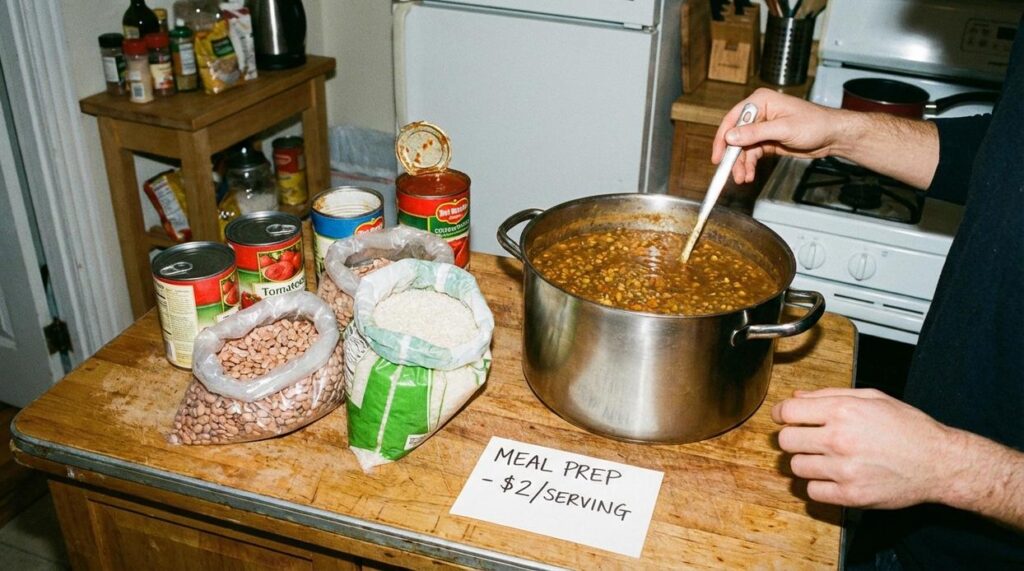

If you’re looking for practical ways to eat well without overspending, seasonal eating might be the smartest place to start. Shopping and cooking with ingredients at their natural peak isn’t just a trendy idea—it’s a proven strategy for stretching your grocery budget while enjoying fresher, more flavorful meals.
In this article, you’ll discover the real benefits of seasonal eating, from lowering your weekly food costs to improving taste and nutritional value. We’ll also show you how to identify what’s in season, plan simple meals around it, and make the most of market deals without wasting ingredients.
Our approach is grounded in practical kitchen experience, budget-conscious meal planning strategies, and research-backed insights on food quality and pricing cycles. Whether you’re trying to cut grocery bills, explore new flavors, or simplify meal prep, this guide will help you use seasonal ingredients to your full advantage.
Ever bought pale strawberries in January and wondered why you paid so much for something that tastes like water? You’re not alone. High grocery bills and bland produce frustrate anyone trying to eat healthy. However, there’s a simple shift: follow the calendar. Seasonal shopping means buying fruits and vegetables when nature intended them to grow locally. As a result, prices drop and flavor peaks. The benefits of seasonal eating go beyond savings; nutrients are often higher in freshly harvested produce (USDA). Looking ahead, I suspect seasonal meal planning apps will surge as shoppers demand smarter, tastier budgets. Very soon, perhaps.
The Financial Perks of Peak-Season Produce
Supply and Demand Explained
When fruits and vegetables are in season, they’re abundant. More supply plus steady demand equals lower prices—it’s basic economics. In-season produce is typically grown locally, which means farmers don’t have to pay for long-distance transportation, extended cold storage, or protective packaging. Those savings get passed on to you. Think about it: tomatoes in August are everywhere (almost aggressively so), while January tomatoes have traveled hundreds or even thousands of miles. Fewer middlemen and lower fuel costs make a real difference at checkout.
Price Comparison
Consider zucchini. A pound of local summer zucchini might cost $1–$1.50 at peak harvest, while imported winter zucchini can climb to $3 or more per pound, depending on your region (USDA market reports consistently show seasonal price dips). Apples tell a similar story: autumn apples often sell for under $2 per pound, while spring apples—kept in controlled storage for months—can edge much higher. Recommendation: always compare the in-season display to the off-season equivalent before tossing items into your cart. The savings add up fast.
The Meal Prep Advantage
Peak pricing is your cue to stock up. Buy berries in bulk and freeze them. Can tomatoes for sauces. Pickle cucumbers for later. This is where the benefits of seasonal eating really shine: lower costs, better flavor, and less waste. Pro tip: freeze produce flat on a baking sheet first so it doesn’t clump together.
Frugal Fusion Tip
Build your weekly meals around what’s on sale—usually what’s in season. Flexible planning beats rigid recipes every time (your wallet will thank you).
Experience Food at its Best: Flavor and Nutrition
I used to buy strawberries in January because they looked decent (big mistake). They were pale, watery, and tasted like disappointment. That was my first lesson in the science of ripeness.
When produce ripens naturally on the vine or tree, it develops a fuller flavor profile. Sugars increase, acids balance out, and aromatic compounds—natural chemicals that create smell and taste—fully form. Once picked early for shipping, that development stops. Sure, it might turn red on a truck, but it won’t gain complexity. (Tomatoes are especially guilty of this.)
There’s also nutrient density to consider. Nutrient density refers to the concentration of vitamins, minerals, and antioxidants in food relative to its calories. Research shows that vitamins like C and certain antioxidants begin degrading after harvest (Lee & Kader, 2000, Journal of the Science of Food and Agriculture). Seasonal produce travels a shorter distance from farm to table, which means more nutrition on your plate.
Bite into a perfectly ripe, in-season peach and the juice runs down your wrist. It’s soft, fragrant, almost floral. Now compare that to a rock-hard winter peach—mealy, muted, forgettable. That sensory gap is everything.
I once tried forcing out-of-season ingredients into recipes and wasted both money and flavor. Learning basic prep from kitchen skills everyone should learn to save money changed that.
Some argue modern shipping makes seasonality irrelevant. I disagree. The benefits of seasonal eating include better taste, higher nutrient retention, lower cost, and culinary variety.
Seasonal cooking becomes an adventure—spring asparagus, summer berries, fall squash. It keeps boredom away (and your grocery bill honest).
A Greener Plate and a Stronger Community

First, let’s define food miles—the distance food travels from farm to plate. The longer the trip, the higher the carbon footprint from transportation, refrigeration, and storage. According to the USDA, produce in the U.S. travels an average of 1,500 miles before reaching consumers (USDA Agricultural Marketing Service). That’s a lot of fuel for a strawberry in January. By contrast, choosing seasonal, locally grown food dramatically reduces these emissions. Fewer trucks. Less cold storage. Fresher flavor. (And yes, tomatoes that actually taste like tomatoes.)
Beyond the environmental math, there’s an economic ripple effect. When you shop at farmers’ markets or join a CSA (Community Supported Agriculture, a subscription-style farm share), more of your dollar stays local. The Farmers Market Coalition reports that farmers selling directly to consumers retain a significantly larger share of profits compared to wholesale channels. In other words, your grocery run becomes community investment.
Admittedly, some argue local food can cost more. However, seasonal farming often avoids energy-intensive heated greenhouses and long storage periods, lowering production inputs. Over time, these efficiencies support stable pricing and sustainability.
Ultimately, the benefits of seasonal eating extend beyond your plate—strengthening local economies while shrinking your environmental footprint.
Simple Hacks to Start Eating Seasonally Today
First, head to a local farmers’ market. It’s the fastest, no-guesswork way to see what’s actually in season—if there’s a mountain of zucchini, that’s your clue (nature’s version of a flashing neon sign). Unlike big grocery chains, markets reflect real-time harvest cycles.
Next, search for a “seasonal produce guide” for your state. Because growing seasons vary by region, this small step gives you an edge most shoppers skip.
Finally, plan meals flexibly. Choose a core protein and grain, then add whatever vegetables are freshest and cheapest that week. The benefits of seasonal eating include better flavor and lower costs.
Your Simple Path to Better, Cheaper Meals
The formula is straightforward: seasonal eating saves money, tastes better, is more nutritious, and supports the environment. That’s not marketing fluff—it’s practical math and biology. In-season produce is abundant (which lowers prices), harvested at peak ripeness (which boosts flavor), and often travels shorter distances (which helps retain nutrients and reduce emissions, per USDA research).
The solution to bland, expensive produce isn’t complicated. Shop in harmony with the seasons.
- On your next trip, swap out-of-season asparagus for seasonal squash and compare the price, texture, and taste.
One small change. Immediate payoff.
Make Seasonal Eating Work for Your Budget
You came here looking for practical ways to stretch your grocery budget without sacrificing flavor or variety. Now you’ve seen how planning around peak produce, building flexible meal plans, and embracing simple swaps can dramatically cut costs while keeping your meals exciting.
The real magic lies in the benefits of seasonal eating — lower prices, fresher ingredients, better flavor, and more nutritional value for your money. When food is in season, you’re not fighting inflated costs or bland, out-of-season options. You’re working with nature, not against it.
If rising grocery bills and mealtime burnout have been frustrating you, this is your way forward. Start by choosing one seasonal ingredient this week and building three simple meals around it. Batch prep, freeze extras, and track how much you save.
Ready to lower your food costs without giving up delicious meals? Join thousands of budget-savvy home cooks who are already transforming their kitchens with smart, seasonal strategies. Start planning your next seasonal menu today and see how much you can save.
 Operations Manager
Hilary Jamesuels writes the kind of helpful reads content that people actually send to each other. Not because it's flashy or controversial, but because it's the sort of thing where you read it and immediately think of three people who need to see it. Hilary has a talent for identifying the questions that a lot of people have but haven't quite figured out how to articulate yet — and then answering them properly.
They covers a lot of ground: Helpful Reads, Frugal Fusion Cuisine, Meal Prep Hacks on a Budget, and plenty of adjacent territory that doesn't always get treated with the same seriousness. The consistency across all of it is a certain kind of respect for the reader. Hilary doesn't assume people are stupid, and they doesn't assume they know everything either. They writes for someone who is genuinely trying to figure something out — because that's usually who's actually reading. That assumption shapes everything from how they structures an explanation to how much background they includes before getting to the point.
Beyond the practical stuff, there's something in Hilary's writing that reflects a real investment in the subject — not performed enthusiasm, but the kind of sustained interest that produces insight over time. They has been paying attention to helpful reads long enough that they notices things a more casual observer would miss. That depth shows up in the work in ways that are hard to fake.
Operations Manager
Hilary Jamesuels writes the kind of helpful reads content that people actually send to each other. Not because it's flashy or controversial, but because it's the sort of thing where you read it and immediately think of three people who need to see it. Hilary has a talent for identifying the questions that a lot of people have but haven't quite figured out how to articulate yet — and then answering them properly.
They covers a lot of ground: Helpful Reads, Frugal Fusion Cuisine, Meal Prep Hacks on a Budget, and plenty of adjacent territory that doesn't always get treated with the same seriousness. The consistency across all of it is a certain kind of respect for the reader. Hilary doesn't assume people are stupid, and they doesn't assume they know everything either. They writes for someone who is genuinely trying to figure something out — because that's usually who's actually reading. That assumption shapes everything from how they structures an explanation to how much background they includes before getting to the point.
Beyond the practical stuff, there's something in Hilary's writing that reflects a real investment in the subject — not performed enthusiasm, but the kind of sustained interest that produces insight over time. They has been paying attention to helpful reads long enough that they notices things a more casual observer would miss. That depth shows up in the work in ways that are hard to fake.