
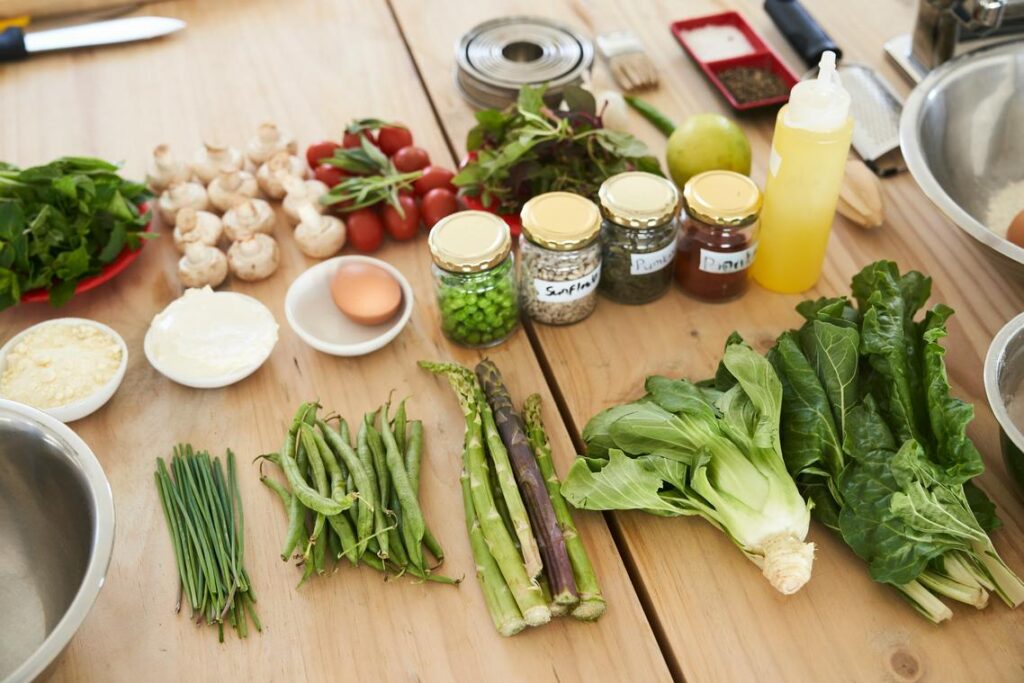
If you’re searching for a practical way to eat well without overspending, this budget meal prep guide is designed with you in mind. Rising grocery prices and busy schedules make it challenging to cook consistently at home, let alone do it affordably. That’s why this article focuses on simple, cost-effective strategies to help you plan, shop, and prepare meals that stretch your budget without sacrificing flavor or variety.
Inside, you’ll find smart grocery planning tips, low-cost ingredient swaps, and efficient batch-cooking methods that save both time and money. We’ve carefully analyzed current food pricing trends, tested frugal recipes, and applied proven meal planning frameworks to ensure the advice is practical and realistic for everyday households.
Whether you’re feeding a family or cooking for one, this guide will show you how to reduce waste, maximize ingredients, and build a sustainable routine that keeps your meals affordable, satisfying, and stress-free.
The “Why” Behind the Prep: Unlocking Serious Savings
The real cost of skipping meal prep isn’t just a $15 takeout order. It’s the compound effect—a term that means small, repeated costs adding up over time (like subscriptions you forgot to cancel). One extra convenience meal a day can exceed $5,000 a year (Bureau of Labor Statistics). That’s not pocket change.
Let’s simplify the math. If a home-cooked meal costs $3–$5 per serving and takeout averages $12–$20, your savings per meal could look like this:
- Home cooked: $4 average
- Takeout: $15 average
- Savings: $11 per meal
Multiply that by 10 meals a week. You see the pattern.
Meal prep also reduces decision fatigue—the mental drain caused by constant choices (yes, “what’s for dinner?” counts). Following a budget meal prep guide or exploring time saving batch cooking ideas that cut grocery costs simplifies the process.
This isn’t restriction. It’s financial clarity (and fewer 6 p.m. fridge stare-downs).
Master the Grocery Store: Building Your Budget-Friendly Pantry
First and foremost, the golden rule of affordable shopping is simple: always shop with a list. A list isn’t just a reminder—it’s a pre-commitment strategy, meaning you decide what to buy before bright packaging and “limited-time offers” sway you (because those end-cap displays are basically Jedi mind tricks). Some argue spontaneity makes cooking more fun. Fair point. However, impulse buys are one of the top drivers of overspending in grocery stores (Food Marketing Institute), so a list protects both your wallet and your meal plan.
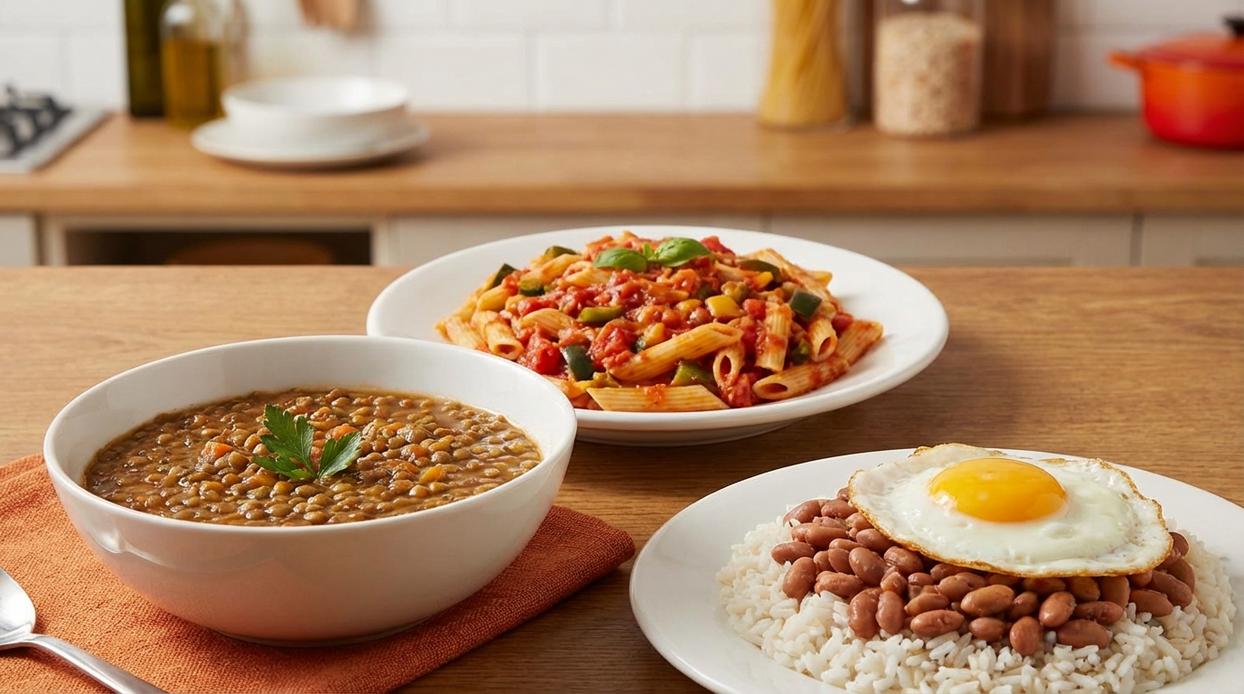
Next, build meals around versatile, low-cost powerhouses. Think lentils, beans, oats, rice, eggs, and in-season vegetables. These staples stretch across cuisines—lentil curry one night, lentil tacos the next. Critics sometimes say these foods are repetitive or boring. Yet versatility is the secret: changing spices and sauces transforms the same base ingredient (rice and beans can travel from Mexico to the Mediterranean in one skillet).
Meanwhile, become a unit price expert. Unit price means the cost per ounce or pound, displayed on shelf tags. Bigger isn’t always cheaper. Comparing unit prices ensures you’re getting the real deal, not just more packaging.
Don’t overlook “ugly” produce either. Misshapen fruits and vegetables are just as nutritious (USDA) and often discounted. They’re perfect for soups, stews, and smoothies.
Finally, use your freezer strategically. Freeze sale proteins and bread in meal-sized portions to reduce food waste (the average household wastes 30–40% of food, USDA). Pro tip: label with dates. For a full budget meal prep guide approach, plan freezer-friendly recipes in advance and lock in savings.
Kitchen Efficiency: Cook Once, Eat All Week
Imagine opening your fridge and seeing rows of neatly stacked containers, colors glowing through clear lids—ruby tomatoes, deep-green broccoli, golden quinoa. That’s the promise of kitchen efficiency.
First, understand the two main prep styles. Batch Cooking means making large quantities of a single recipe—like a bubbling pot of chili, fragrant with cumin and garlic, steam fogging your glasses as you stir. Component Prepping, on the other hand, is about preparing individual ingredients—grains, proteins, vegetables—so you can mix and match them later.
If you’re new, start with Component Prepping for flexibility. Roast a tray of mixed vegetables until the edges caramelize and crackle. Grill several chicken breasts, listening for that satisfying sizzle. Cook a fluffy pot of quinoa, each grain light and nutty. Now you have building blocks.
Here’s where flavor stacking comes in. The same chicken and veggies can top a crisp salad on Monday, slide into a warm grain bowl on Tuesday, or tuck into smoky tacos on Wednesday with a sprinkle of chili powder and a squeeze of lime. This frugal fusion approach keeps your taste buds guessing (because no one wants Thursday to taste like Monday).
Some argue leftovers get boring. Not if you change textures, sauces, and spices. A drizzle of sesame oil or a spoonful of salsa can shift the entire aroma and mood of a dish.
Invest in sturdy, airtight containers. They keep herbs bright, grains tender, and reheating simple. A solid budget meal prep guide helps—but your senses will tell you you’re doing it right.
Your First Prep: Three Easy, Inexpensive Meal Ideas
If you’re just starting out, keep it simple. These three picks are affordable, flexible, and perfect foundations for any budget meal prep guide.
-
The Ultimate Burrito Bowl
Start with rice, canned black beans, and frozen corn—three staples that cost little and stretch far. Add salsa, shredded cheese, or a pre-cooked protein like chicken or tofu. Want variety? Swap rice for quinoa or add roasted veggies midweek. This is your “choose your own adventure” dinner (no sad desk lunches here). -
Hearty Lentil Soup
Brown or green lentils, carrots, celery, onion, and vegetable broth—that’s it. One pot yields multiple filling servings thanks to lentils’ high fiber and protein content (Harvard T.H. Chan School of Public Health). Pro tip: It tastes even better the next day. -
Customizable Overnight Oats
Combine rolled oats, milk or yogurt, and a sweetener. Add frozen berries, nuts, or seeds. Prep five jars Sunday and enjoy stress-free mornings all week.
Make Your Budget Work Harder in the Kitchen
You came here looking for a smarter way to stretch your grocery dollars without sacrificing flavor or variety. Now you have the tools to plan better, shop smarter, and cook meals that truly make the most of every ingredient.
Sticking to a tight food budget can feel overwhelming—especially when prices keep rising and time is limited. But with a clear plan, simple ingredients, and a reliable budget meal prep guide, you can stop stressing over what’s for dinner and start feeling confident about what’s in your fridge.
The key is consistency. Plan your meals before you shop. Prep in batches. Reinvent leftovers. Small habits like these turn into big savings over time.
If you’re ready to cut grocery costs, reduce waste, and still enjoy delicious, satisfying meals, start implementing these strategies this week. Thousands of savvy home cooks are already transforming their kitchens with proven, budget-friendly systems—now it’s your turn. Grab your notepad, plan your next five meals, and take control of your food budget today.
 Marketing & Communications Specialist
Kimberly Morrisoilers writes the kind of low-cost culinary exploration content that people actually send to each other. Not because it's flashy or controversial, but because it's the sort of thing where you read it and immediately think of three people who need to see it. Kimberly has a talent for identifying the questions that a lot of people have but haven't quite figured out how to articulate yet — and then answering them properly.
They covers a lot of ground: Low-Cost Culinary Exploration, Meal Prep Hacks on a Budget, Helpful Reads, and plenty of adjacent territory that doesn't always get treated with the same seriousness. The consistency across all of it is a certain kind of respect for the reader. Kimberly doesn't assume people are stupid, and they doesn't assume they know everything either. They writes for someone who is genuinely trying to figure something out — because that's usually who's actually reading. That assumption shapes everything from how they structures an explanation to how much background they includes before getting to the point.
Beyond the practical stuff, there's something in Kimberly's writing that reflects a real investment in the subject — not performed enthusiasm, but the kind of sustained interest that produces insight over time. They has been paying attention to low-cost culinary exploration long enough that they notices things a more casual observer would miss. That depth shows up in the work in ways that are hard to fake.
Marketing & Communications Specialist
Kimberly Morrisoilers writes the kind of low-cost culinary exploration content that people actually send to each other. Not because it's flashy or controversial, but because it's the sort of thing where you read it and immediately think of three people who need to see it. Kimberly has a talent for identifying the questions that a lot of people have but haven't quite figured out how to articulate yet — and then answering them properly.
They covers a lot of ground: Low-Cost Culinary Exploration, Meal Prep Hacks on a Budget, Helpful Reads, and plenty of adjacent territory that doesn't always get treated with the same seriousness. The consistency across all of it is a certain kind of respect for the reader. Kimberly doesn't assume people are stupid, and they doesn't assume they know everything either. They writes for someone who is genuinely trying to figure something out — because that's usually who's actually reading. That assumption shapes everything from how they structures an explanation to how much background they includes before getting to the point.
Beyond the practical stuff, there's something in Kimberly's writing that reflects a real investment in the subject — not performed enthusiasm, but the kind of sustained interest that produces insight over time. They has been paying attention to low-cost culinary exploration long enough that they notices things a more casual observer would miss. That depth shows up in the work in ways that are hard to fake.