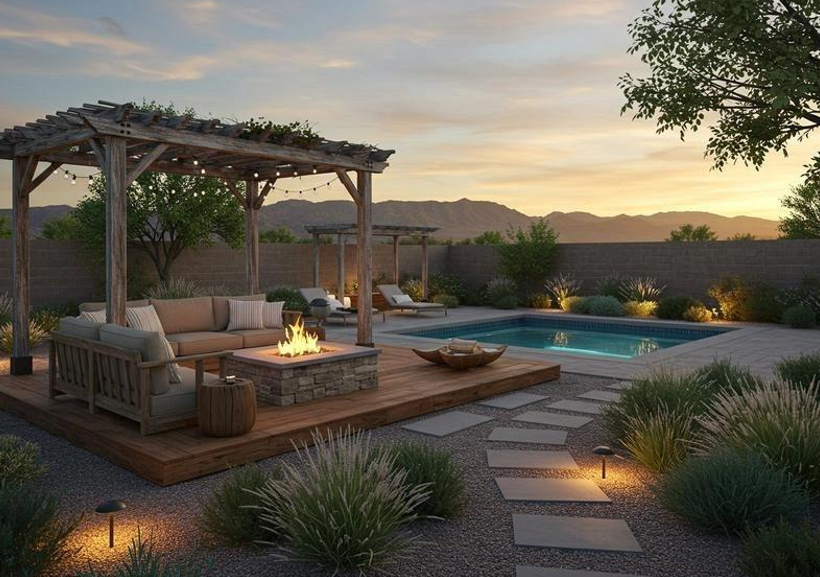
A stunning outdoor living space needs more than furniture arranged on a patio. Your outdoor area can become an extension of your home with thoughtful design and customized touches.
Your lifestyle should guide the transformation of your outdoor space. Start by measuring the available area to create a setup that works for you. Your outdoor design should reflect your interior style. This approach creates a natural flow between indoor and outdoor spaces. Well-defined activity zones will turn your outside living room into a functional retreat where you can relax, entertain and live.
This piece offers proven strategies to create comfortable and inviting outdoor spaces that work for any size – from spacious backyards to compact balconies. We’ll explore how carefully chosen furniture and ambient lighting can turn your outdoor area into a cozy oasis you’ll enjoy throughout the year.
Planning Your Outdoor Living Space Layout
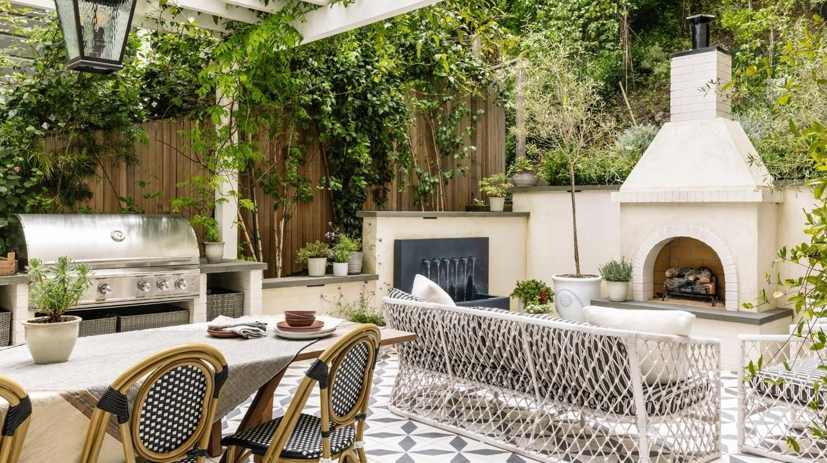
Image Source: Homesandgardens
Your outdoor living space’s success starts with smart planning. You need a solid layout strategy that looks at both what you need now and what you might want later.
Measure and assess your available space
Take time to measure your outdoor area’s boundaries before you start designing. You’ll get a realistic picture of what’s possible when you know the exact dimensions from your home to property lines. Good measurements help you avoid spaces that feel too tight or too spread out. It also helps to check local bylaws about structures like fire pits or pools – mistakes here can get pricey. Leave about 30 inches of space behind dining chairs so people can move around easily.
Choose furniture that fits your lifestyle
Let your daily activities guide your furniture choices, not the latest trends. An elaborate dining set might sit unused if you rarely host big dinner parties. But if outdoor meals are your thing, make sure you have enough seating and table space. Modular pieces work well because they adapt to different occasions. Your space should match your furniture size – big sectionals can make small patios feel tiny, while small pieces might look lost in big yards.
Create functional activity zones
Your outdoor space works better when you divide it into distinct zones. Common zones include:
- Dining areas (best placed near the kitchen)
- Lounging spaces for conversation or reading
- Cooking stations like grills or outdoor kitchens
- Play areas for children or pets
Different hardscape materials, changes in height, or clever plantings can define these spaces naturally while keeping them connected.
Plan for traffic flow and accessibility
The way people move through your space makes a big difference in how much they use it. Beautiful areas stay empty when traffic patterns don’t work well. Make clear paths that connect major features without cutting through areas where people gather. Your main outdoor spots should have two ways to get there – a main path and a backup route. Wide pathways (at least 36 inches) work better for everyone, so skip unnecessary steps or obstacles that make moving around harder.
Essential Design Elements for Outdoor Rooms
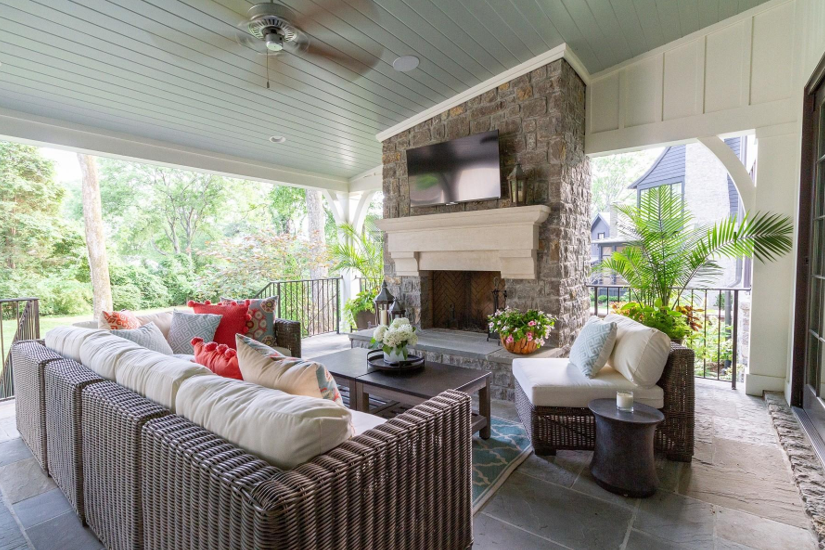
Image Source: StyleBlueprint
Your patio can become a true outdoor oasis with three design elements that blend beauty and practicality. A good layout comes first. Then you need features that can handle weather while keeping you comfortable and stylish.
Select weather-resistant furniture pieces
Durable materials are the foundations of any great outdoor living space. Your furniture needs to handle sun, rain, and temperature changes well. High-density polyethylene (HDPE) lumber stands out as an excellent choice. It fights off water damage, UV fading, cracking, and pests—making it work perfectly year-round. HDPE furniture won’t rust, rot, splinter, or get damaged by insects even in harsh weather.
Marine-grade polymer works great near the coast since it fights moisture, mildew, and salt spray. Teak naturally keeps insects and moisture away and ages beautifully without splintering. Powder-coated aluminum resists rust even in humid coastal areas, so it’s become popular with homeowners who want long-lasting furniture.
Add outdoor rugs to define spaces
Outdoor rugs do more than just add comfort—they help create distinct functional zones in your outside living room. A well-placed rug creates natural boundaries between dining areas, lounging spots, and cooking sections. You get both structure and visual appeal.
Quality outdoor rugs are made from polypropylene. They won’t fade in direct sunlight or develop mold when they get wet. These rugs instantly make hard surfaces like concrete or decking feel softer. Your outdoor space becomes as cozy as any indoor room.
Incorporate privacy screens and boundaries
Privacy elements help turn open outdoor spaces into cozy retreats. Here’s a smart tip: place screens closer to your seating areas instead of right on property lines. This actually makes your yard look bigger.
You have several great options. Lattices balance airflow and light nicely. Trellises support climbing plants. Pergolas work well with retractable curtains. Natural barriers like holly, evergreen, or bamboo give you privacy without feeling boxed in. Metal screens add modern style, while wooden slat partitions bring warmth to contemporary designs.
Mix these elements together and you’ll create an outdoor sanctuary that feels private yet connected to nature around you.
Creating ambiance with lighting and accessories
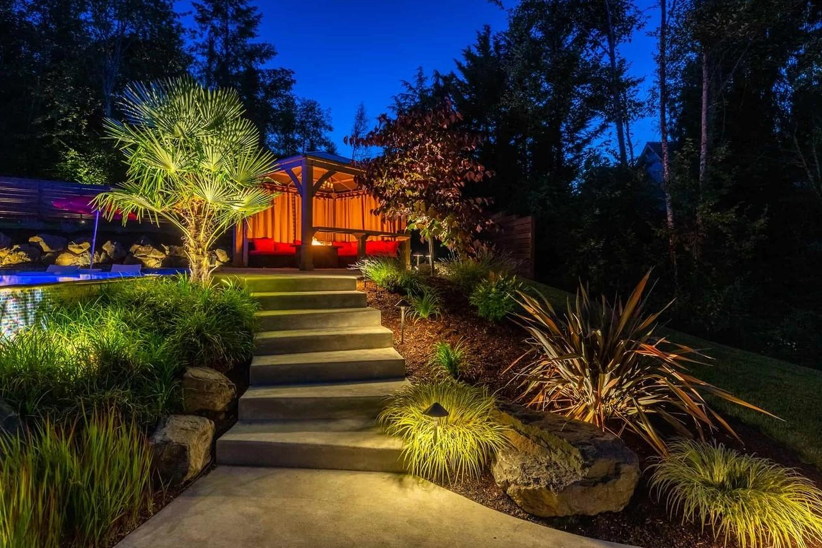
Image Source: Oregon Outdoor Lighting
Magic fills outdoor living spaces through their ambiance—a special feeling that lasts all day and night.
Install layered outdoor lighting
Good outdoor lighting needs three distinct types: ambient, task, and accent lights. Ambient lighting serves as the base layer and makes spaces comfortable. Task lighting helps with specific activities around pathways and dining areas. Accent lights draw attention to special features and add visual appeal. Your lighting scheme works best when you pick lights with matching color temperatures. Warm lights (2700K-3000K) make spaces cozy, while cooler lights suit task-focused areas better.
Choose wall art that adds depth and personality
Wall art adds depth and personality that helps outdoor spaces feel complete rather than purely functional. Decorative pieces placed on exterior walls, covered patios, or nearby indoor areas visually connect your outdoor setup with the rest of your home. Many homeowners draw inspiration from oil paintings, using their colors, themes, and textures to guide the overall atmosphere. Collections such as those found on Art by Maudsch, which offers original oil paintings for sale, can help define a cohesive aesthetic, allowing your seating areas, plants, and architectural elements to feel intentional and harmoniously styled.
Use candles and lanterns for warmth
Lanterns cast a gentle, flickering glow that instantly makes outdoor spaces feel more welcoming and relaxed. Place them along walkways, on dining tables, or near seating areas to create layers of soft light that guide the eye and enhance the atmosphere. Hanging lanterns from pergolas or tree branches adds height and visual interest, especially in the evening. Battery-operated candles with built-in timers offer a safe, low-maintenance option that turns on automatically at dusk. This simple addition helps your outdoor area feel cozy, intimate, and intentionally designed.
Add decorative cushions and throws
Outdoor cushions and throws introduce both comfort and personality, helping your seating areas feel as inviting as your indoor living room. Choose weather-resistant fabrics like Sunbrella or treated polyester that resist fading, moisture, and mildew, ensuring long-term durability. Mixing different textures, colors, and patterns adds visual depth while allowing you to refresh your space seasonally without major changes. Throws are especially useful on cooler evenings, making guests feel more comfortable and encouraging longer relaxation. These soft elements transform rigid furniture into cozy, welcoming spots perfect for everyday enjoyment.
Making Your Outside Living Room Comfortable Year-Round
Great outdoor living spaces stay welcoming all year round, not just when the weather’s perfect.
Add shade structures for hot climates
A good shade solution helps you enjoy your space instead of running inside during summer heat. Pergolas with slatted roofs let filtered sunlight through while keeping you protected. Retractable awnings give you control – you can pull them out on hot afternoons and tuck them away when it’s mild. Shade sails add modern appeal with their triangle shapes and flexible setup options. These structures also cut down UV exposure and cool the area by lowering temperatures on hot afternoons.
Include heating elements for cool evenings
You can stretch your outdoor season with smart heating options. Fire pits or fireplaces become natural gathering spots while keeping you warm into fall and early spring. Infrared or propane heaters are great choices when you need steady, controlled warmth. Portable heaters give you flexibility, while built-in options create a sleek look. Some homeowners add radiant floor heating under their patios to stay cozy in cooler climates.
Choose durable materials that withstand weather
Weather-resistant materials will last longer and need less upkeep. Teak fights off moisture and pests naturally, and it develops a beautiful silvery patina as time passes. All-weather wicker made from polyethylene captures coastal charm but lasts nowhere near as long as traditional wicker. Powder-coated aluminum won’t rust even in humid weather, which makes it perfect for outdoor use. Fiber cement works great for accent pieces since it combines rustic appeal with modern durability.
Conclusion
Creating a stunning outdoor living space begins with intention. When every element supports how you relax, gather, and spend your time, the space naturally becomes more inviting and meaningful. Comfort, thoughtful placement, and personal details work together to make the area feel complete. The goal is not perfection but harmony. When your outdoor space reflects your habits and preferences, it becomes somewhere you genuinely want to return to, whether for quiet mornings, lively conversations, or peaceful evenings.
Over time, these spaces often become some of the most valued parts of a home. They offer a place to slow down, reconnect, and enjoy everyday moments in a different setting. With careful planning and a focus on comfort and personality, even the simplest patio or balcony can feel purposeful and welcoming. Investing attention into your outdoor area enhances both your home and your daily routine, creating a place that supports relaxation, connection, and lasting enjoyment.
 Operations Manager
Hilary Jamesuels writes the kind of helpful reads content that people actually send to each other. Not because it's flashy or controversial, but because it's the sort of thing where you read it and immediately think of three people who need to see it. Hilary has a talent for identifying the questions that a lot of people have but haven't quite figured out how to articulate yet — and then answering them properly.
They covers a lot of ground: Helpful Reads, Frugal Fusion Cuisine, Meal Prep Hacks on a Budget, and plenty of adjacent territory that doesn't always get treated with the same seriousness. The consistency across all of it is a certain kind of respect for the reader. Hilary doesn't assume people are stupid, and they doesn't assume they know everything either. They writes for someone who is genuinely trying to figure something out — because that's usually who's actually reading. That assumption shapes everything from how they structures an explanation to how much background they includes before getting to the point.
Beyond the practical stuff, there's something in Hilary's writing that reflects a real investment in the subject — not performed enthusiasm, but the kind of sustained interest that produces insight over time. They has been paying attention to helpful reads long enough that they notices things a more casual observer would miss. That depth shows up in the work in ways that are hard to fake.
Operations Manager
Hilary Jamesuels writes the kind of helpful reads content that people actually send to each other. Not because it's flashy or controversial, but because it's the sort of thing where you read it and immediately think of three people who need to see it. Hilary has a talent for identifying the questions that a lot of people have but haven't quite figured out how to articulate yet — and then answering them properly.
They covers a lot of ground: Helpful Reads, Frugal Fusion Cuisine, Meal Prep Hacks on a Budget, and plenty of adjacent territory that doesn't always get treated with the same seriousness. The consistency across all of it is a certain kind of respect for the reader. Hilary doesn't assume people are stupid, and they doesn't assume they know everything either. They writes for someone who is genuinely trying to figure something out — because that's usually who's actually reading. That assumption shapes everything from how they structures an explanation to how much background they includes before getting to the point.
Beyond the practical stuff, there's something in Hilary's writing that reflects a real investment in the subject — not performed enthusiasm, but the kind of sustained interest that produces insight over time. They has been paying attention to helpful reads long enough that they notices things a more casual observer would miss. That depth shows up in the work in ways that are hard to fake.