If you’re looking ahead and wondering how to grow in a way that actually lasts, you’re not alone. Generic resolutions and recycled self-help advice no longer cut it in a world shaped by shifting economies, evolving digital habits, and a renewed focus on practical skills. This guide to personal development trends 2026 moves beyond hype and into strategies you can realistically apply. Grounded in observable changes in how people work, spend, learn, and live, this article outlines four emerging trends that will help you build resilience, sharpen tangible skills, and create sustainable growth throughout the coming year.
Trend 1: The Analog Revival and Utility Skills
Why Going Analog Feels Radical Again
First, let’s clarify what “analog revival” actually means. It’s not ditching your phone and moving off-grid. Instead, it’s a shift away from constant digital consumption toward physical, practical action. Think of it as trading endless scrolling for tangible skills you can see, touch, and improve over time.
This shift is largely a response to digital fatigue—mental exhaustion caused by prolonged screen exposure (a very real phenomenon linked to increased anxiety and reduced attention span, according to the American Psychological Association). In other words, our brains are tired.
So rather than adding another hobby just to stay busy, 2026 is about building utility skills—practical abilities that make daily life easier and more self-sufficient. For example, scratch cooking isn’t just trendy; it saves money and improves nutrition. Basic food preservation like pickling or fermenting stretches groceries further. Mending clothes extends wardrobe life. Even a small container garden on a balcony can offset produce costs.
Now, some argue this is just nostalgia dressed up as productivity. Fair point. But the difference is intention. These aren’t aesthetic hobbies for social media—they’re functional skills that build confidence.
More importantly, mastering a tangible skill activates problem-solving pathways in the brain and boosts self-efficacy (Bandura, 1997). You finish with proof of competence—something no notification can replicate.
If you’re unsure where to begin, learning how to build daily momentum with skill speed and power habits can help translate intention into consistent action.
Among personal development trends 2026, this one stands out because it reconnects effort with visible results. (And honestly, kneading dough beats refreshing your inbox.)
Trend 2: Financial Wellness as a Core Pillar of Self-Care
The biggest shift in personal development trends 2026 isn’t morning routines or cold plunges. It’s FINANCIAL STABILITY. You can meditate daily, journal religiously, and drink all the green juice in the world—but if you’re lying awake stressed about bills, growth stalls. The American Psychological Association consistently reports money as a top stressor for adults (APA, Stress in America, 2023). That’s not a mindset glitch. That’s reality.
Some argue self-care should be emotionally focused, not financially driven. They worry tying growth to money feels materialistic. Fair point. But this isn’t about chasing wealth—it’s about reducing anxiety. Economic stability creates mental bandwidth. (It’s hard to manifest abundance when your card gets declined.)
From Budgeting to Mindful Consumption
Budgeting used to mean spreadsheets and restriction. Now it means asking: Why am I spending this? Mindful consumption is aligning dollars with VALUES. If travel lights you up, cut unused subscriptions. If food is your love language, cook creatively instead of defaulting to takeout.
Frugal Fusion in Practice
Frugal Fusion is the art of living richly on less—combining resourcefulness with culinary curiosity. Think global flavors built from pantry staples. Reinvent leftovers. Host potlucks instead of pricey dinners. (Ironically, constraints spark creativity—just ask any Top Chef contestant.)
Actionable Steps
- Try a Pantry Challenge: cook only from what you already have for one week.
- Batch meal prep to save TIME and decision fatigue.
- Negotiate one recurring bill this month—yes, even your internet. That’s self-advocacy in action.
Pro tip: track savings from small changes and redirect them toward something meaningful. Growth follows intention—not income.
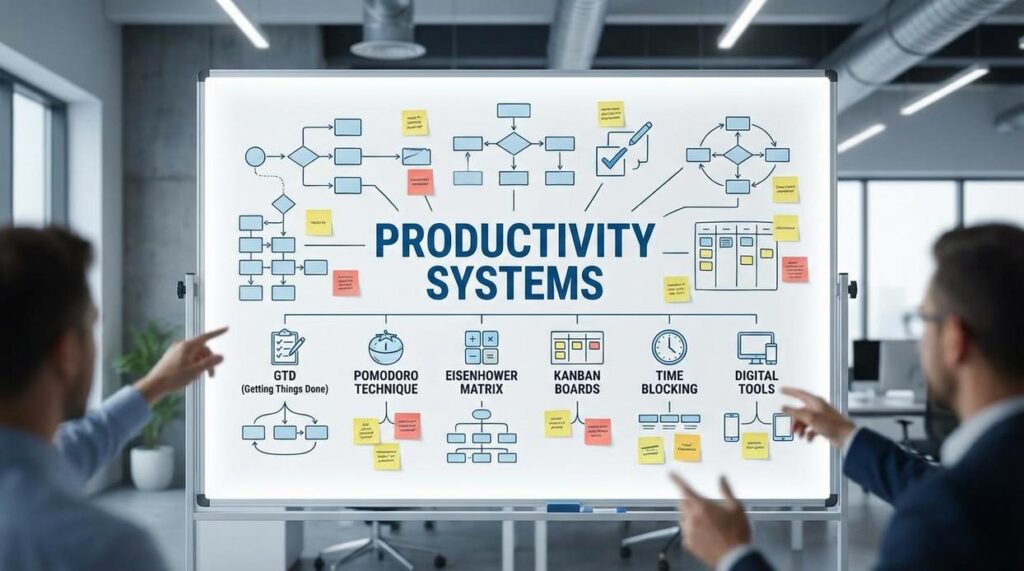
Trend 3: Building Systems Over Chasing Goals
Start with an anecdote about January ambition. A few years ago, I declared I would “completely transform my health” in 90 days. New planner, bold goals, zero follow‑through by February. The problem wasn’t motivation—it was magnitude. Massive, outcome‑focused goals create pressure that feels heroic at first and paralyzing later (like signing up for a marathon when you haven’t jogged in years).
Grand resolutions fixate on the prize. But when the prize feels far away, daily effort feels pointless. Research on habit formation shows consistency beats intensity over time (Clear, 2018). That’s where the 2026 approach comes in.
Instead of obsessing over outcomes, build systems—repeatable processes that make progress automatic. A system is simply a small action tied to a cue. For example:
- Not “Get fit,” but “Stretch for 10 minutes while the coffee brews.”
- Not “Eat healthier,” but “Add one extra vegetable to dinner.”
These micro-habits (tiny behaviors requiring minimal effort) align with personal development trends 2026 because they reduce friction and decision fatigue.
Here’s what surprised me: those 10-minute stretches turned into longer workouts naturally. One vegetable became experimenting with roasted carrots and cumin (shockingly good, by the way).
The magic is compounding. Small actions, repeated daily, stack up—much like saving $5 a day grows into $1,825 a year. Systems lower the bar so consistency wins. And consistency, quietly and without drama, changes everything.
Last year, I realized my grocery bill dropped the month I stopped cooking alone. At first, I resisted—community felt inefficient. However, once I joined a neighborhood potluck swap, everything shifted.
Trend 4: Community-Centric Growth and Shared Knowledge
In a culture moving from “me” to “we,” backlash against hyper-individualism is real. True growth expands through connection (turns out, solo hustle is overrated).
What this looks like:
- Hosting skill-swaps—knife skills for budgeting tips.
- Starting a rotating potluck club to cut food costs.
- Volunteering in a community garden.
Meanwhile, teaching others sharpened my own mastery. That loop of shared learning mirrors personal development trends 2026—collective progress over isolated wins.
As we explore the effectiveness of various personal development strategies in 2026, it’s crucial to recognize that many individuals are finding greater success in focusing on micro-progress rather than relying solely on fleeting bursts of motivation, a concept further elaborated in our piece on Why Micro-Progress Matters More Than Motivation.
Crafting a More Resilient and Resourceful You
As we’ve explored, personal development trends 2026 are practical, financially mindful, system-driven, and rooted in community. You came here looking for a realistic way to grow without feeling stretched thin—and now you have it.
The real struggle isn’t lack of motivation. It’s feeling overwhelmed by too many changes at once. The answer is simple: small, tangible steps that fit your real life.
Start with one action this week—plan a single frugal fusion meal or prep one budget-friendly recipe ahead of time. Small wins build momentum.
Ready to grow without overspending or burning out? Explore more budget-smart ideas today and take your first manageable step toward lasting change.
 Nolissa Orvandora writes the kind of fresh insights content that people actually send to each other. Not because it's flashy or controversial, but because it's the sort of thing where you read it and immediately think of three people who need to see it. Nolissa has a talent for identifying the questions that a lot of people have but haven't quite figured out how to articulate yet — and then answering them properly.
They covers a lot of ground: Fresh Insights, Frugal Fusion Cuisine, Low-Cost Culinary Exploration, and plenty of adjacent territory that doesn't always get treated with the same seriousness. The consistency across all of it is a certain kind of respect for the reader. Nolissa doesn't assume people are stupid, and they doesn't assume they know everything either. They writes for someone who is genuinely trying to figure something out — because that's usually who's actually reading. That assumption shapes everything from how they structures an explanation to how much background they includes before getting to the point.
Beyond the practical stuff, there's something in Nolissa's writing that reflects a real investment in the subject — not performed enthusiasm, but the kind of sustained interest that produces insight over time. They has been paying attention to fresh insights long enough that they notices things a more casual observer would miss. That depth shows up in the work in ways that are hard to fake.
Nolissa Orvandora writes the kind of fresh insights content that people actually send to each other. Not because it's flashy or controversial, but because it's the sort of thing where you read it and immediately think of three people who need to see it. Nolissa has a talent for identifying the questions that a lot of people have but haven't quite figured out how to articulate yet — and then answering them properly.
They covers a lot of ground: Fresh Insights, Frugal Fusion Cuisine, Low-Cost Culinary Exploration, and plenty of adjacent territory that doesn't always get treated with the same seriousness. The consistency across all of it is a certain kind of respect for the reader. Nolissa doesn't assume people are stupid, and they doesn't assume they know everything either. They writes for someone who is genuinely trying to figure something out — because that's usually who's actually reading. That assumption shapes everything from how they structures an explanation to how much background they includes before getting to the point.
Beyond the practical stuff, there's something in Nolissa's writing that reflects a real investment in the subject — not performed enthusiasm, but the kind of sustained interest that produces insight over time. They has been paying attention to fresh insights long enough that they notices things a more casual observer would miss. That depth shows up in the work in ways that are hard to fake.