
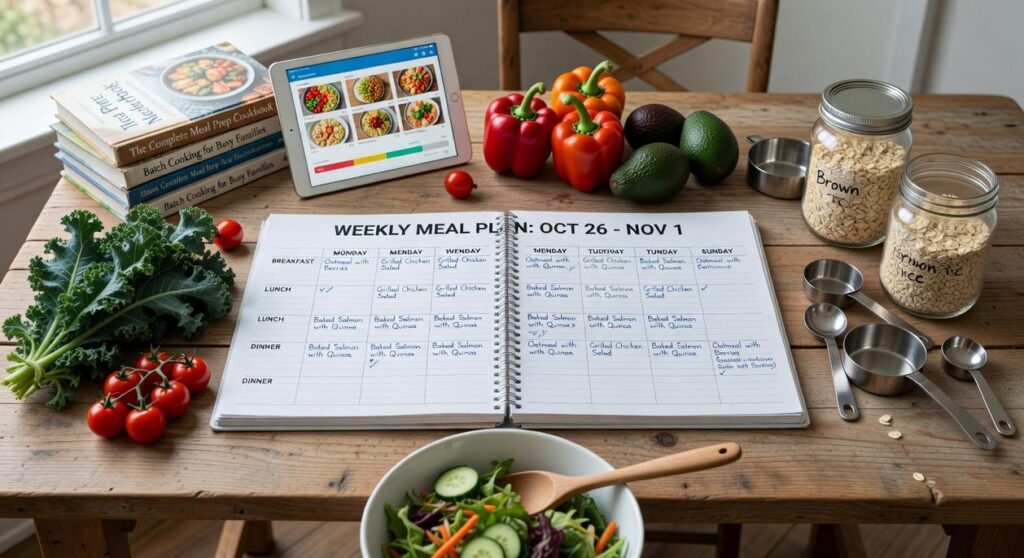
Eating well on a tight budget can feel overwhelming, especially when you’re trying to balance flavor, nutrition, and convenience without overspending. If you’re searching for practical ways to stretch your grocery dollars, explore affordable ingredients, and create satisfying meals that support your physical energy and mental clarity, you’re in the right place. This article is designed to help you discover budget-friendly food strategies, low-cost culinary exploration ideas, and smart meal prep hacks that make everyday cooking both exciting and sustainable.
You’ll find realistic tips rooted in proven frugal living principles, along with creative approaches to fusion-style meals that maximize what you already have in your kitchen. Every recommendation focuses on simple, accessible ingredients and efficient techniques that save time and money. Whether you’re feeding a family or cooking for one, this guide will show you how to enjoy flavorful, nourishing meals without compromising your financial goals.
Reclaiming Your Energy: A Practical Guide to Vitality on a Budget
Feeling mentally drained and physically fatigued can seem like a problem that requires expensive supplements and complicated routines. The truth is simpler. You can rebuild physical energy and mental clarity with affordable habits.
First, prioritize sleep consistency and hydration; they are foundational and free. Next, build meals around oats, beans, eggs, and seasonal produce for steady fuel. Then, schedule walks or stretch breaks to reset focus (your brain loves oxygen).
Finally, limit overload and create a evening wind-down routine. Small shifts compound, so start today and track what works.
The Gut-Brain Connection on a Dime
First, let’s define the gut-brain connection: it’s the two-way communication system between your digestive tract and your brain, largely influenced by the gut microbiome (the trillions of bacteria living in your intestines). Research shows this relationship affects mood, focus, and stress resilience (Harvard Health Publishing, 2023). In other words, supporting your gut can sharpen physical energy and mental clarity—no pricey powders required.
Some argue that optimizing gut health demands specialty probiotics or organic-only shopping. That’s the marketing talking. In reality, affordable staples can do the heavy lifting.
Start with lentils and beans. They’re rich in fiber, which feeds beneficial gut bacteria, and plant protein, which stabilizes blood sugar. Next, oats provide beta-glucan fiber for sustained energy release (Mayo Clinic, 2022). Then there are seasonal dark leafy greens like kale or collards—budget-friendly when in season and packed with folate and magnesium, nutrients linked to cognitive support. Don’t overlook sunflower and pumpkin seeds; they deliver healthy fats and zinc, both associated with brain function.
Here’s the overlooked edge: practice Frugal Fusion Cuisine. Combine red lentils with cumin and tomatoes for a quick dal, or toss black beans with oats in savory patties (surprisingly good). Blending culinary traditions keeps meals interesting without specialty ingredients.
Finally, prioritize hydration. Even mild dehydration impairs concentration (National Academies of Sciences, 2019). Water is free, effective, and underrated. If plain feels dull, infuse it with lemon or cucumber. Simple tweaks, real results.
The Meal Prep Advantage: How Planning Unlocks Mental Bandwidth

Every day you ask yourself, “What’s for dinner?” It seems harmless—until you realize you’ve made that same decision 20 times this month. That’s decision fatigue (the mental drain that comes from making too many small choices). And yes, it’s real. Research from the American Psychological Association shows that repeated decision-making reduces willpower and focus over time (APA, 2018).
So let’s compare.
Option A: Decide what to eat three times a day, scroll recipes, check ingredients, cook from scratch nightly.
Option B: Prep once. Eat for days.
Clearly, Option B wins on simplicity alone.
The “Prep Once, Eat for Days” Method
First, batch-cook three core components:
- Grain: Rice or quinoa
- Protein: Chickpeas or chicken thighs
- Vegetables: A big tray of roasted seasonal veg
With these basics, you can build bowls, wraps, stir-fries, or salads in minutes. As a result, you protect your physical energy and mental clarity for bigger priorities.
Low-Cost Culinary Hacks
Now, let’s stretch it further. Save vegetable scraps in a freezer bag for homemade broth (pro tip: onion peels add rich color). Repurpose roasted vegetables into a frittata or soup. Change flavor profiles with simple spice blends—Italian one night, smoky paprika the next. Same base, different vibe (like a wardrobe capsule, but edible).
Storage and Assembly
Store grains and proteins separately in airtight containers. Keep sauces in small jars to prevent sogginess. Then assemble fresh each day.
If you’re tempted to rely on motivation instead, consider why micro progress matters more than motivation: https://lovinglifeandlivingonless.com.co/why-micro-progress-matters-more-than-motivation/.
Ultimately, meal prep isn’t restrictive—it’s strategic.
Holistic Habits for a Sharper Mind: Simple Practices, Significant Results
When it comes to boosting brainpower, most people think supplements or expensive programs. But simple habits often win in an A vs. B comparison: free and consistent vs. costly and inconsistent (guess which one actually sticks?).
1. Mindful Movement: Consistency vs. Intensity
A 20-minute brisk walk vs. an intense, once-a-week boot camp.
Research shows regular moderate exercise improves memory and executive function (Harvard Health Publishing). Walking increases blood flow to the brain, supporting neuron health. Stretching reduces muscle tension that quietly drains focus. The key isn’t exhaustion; it’s repetition. Think tortoise, not hare.
Pro tip: Pair your walk with a podcast you love. Habit stacking makes consistency easier.
2. Strategic Rest: Routine vs. Random
Scrolling at midnight vs. a consistent wind-down ritual.
The CDC links consistent sleep schedules with better cognitive performance. Try this checklist:
- Set a fixed bedtime and wake time.
- Stop screens 60 minutes before bed.
- Keep your room cool and dim.
- Avoid heavy meals late.
No gadgets required—just discipline (and maybe resisting “one more episode”).
3. The Power of the Pause: Reactive vs. Reset
Stress spiral vs. box breathing.
Box breathing—inhale 4, hold 4, exhale 4, hold 4—activates the parasympathetic nervous system (Cleveland Clinic). It’s a fast reset for physical energy and mental clarity.
4. Sunlight: Artificial Glow vs. Morning Light
Overhead lighting vs. 10 minutes of sunrise.
Morning sunlight regulates circadian rhythms, improving sleep and daytime alertness (National Sleep Foundation). Step outside with your coffee. Free, effective, done.
For more low-cost wellness ideas, explore this helpful guide: https://example.com.
Simple beats flashy. Every time.
Your Blueprint for Affordable, Sustainable Well-Being
Let’s be honest: the wellness industry loves to sell the idea that better living requires a bigger budget. Expensive supplements, boutique fitness classes, specialty ingredients flown in from somewhere with a pristine coastline. However, that assumption deserves a challenge.
If you’re feeling overwhelmed—and quietly convinced that vitality costs a fortune—you’re not alone. Yet higher physical energy and mental clarity rarely come from spending more. They come from doing a few simple things consistently.
In other words, intentional grocery choices, strategic meal planning (think batch-cooked oats or versatile beans), and basic lifestyle habits create a system that works. Not flashy. Not Instagram-famous. Just effective.
Some argue that “you get what you pay for.” Fair point. But when it comes to well-being, you often get what you repeat.
So here’s your move: pick one strategy today. Prep breakfasts for the week or take a 10-minute morning walk. Start small. Then build momentum.
Make Every Meal Work Harder for You
You came here looking for a way to eat well without draining your wallet — and now you have the tools to do exactly that. Budget-friendly ingredients, smart meal prep, and creative flavor pairings prove you don’t have to overspend to enjoy satisfying, nourishing food.
Stretching your grocery budget isn’t just about saving money. It’s about protecting your physical energy and supporting your mental clarity with meals that fuel your body instead of stressing your finances. When every dollar and every ingredient has a purpose, your kitchen becomes a place of empowerment — not frustration.
Now it’s time to put this into action. Plan your next week of meals, shop with intention, and try one new frugal fusion recipe that excites you. Thousands of readers are already transforming the way they cook and save — and you can too.
Start today. Choose one strategy, apply it to your next grocery trip, and take control of your food budget without sacrificing flavor or nourishment.
 Marketing & Communications Specialist
Kimberly Morrisoilers writes the kind of low-cost culinary exploration content that people actually send to each other. Not because it's flashy or controversial, but because it's the sort of thing where you read it and immediately think of three people who need to see it. Kimberly has a talent for identifying the questions that a lot of people have but haven't quite figured out how to articulate yet — and then answering them properly.
They covers a lot of ground: Low-Cost Culinary Exploration, Meal Prep Hacks on a Budget, Helpful Reads, and plenty of adjacent territory that doesn't always get treated with the same seriousness. The consistency across all of it is a certain kind of respect for the reader. Kimberly doesn't assume people are stupid, and they doesn't assume they know everything either. They writes for someone who is genuinely trying to figure something out — because that's usually who's actually reading. That assumption shapes everything from how they structures an explanation to how much background they includes before getting to the point.
Beyond the practical stuff, there's something in Kimberly's writing that reflects a real investment in the subject — not performed enthusiasm, but the kind of sustained interest that produces insight over time. They has been paying attention to low-cost culinary exploration long enough that they notices things a more casual observer would miss. That depth shows up in the work in ways that are hard to fake.
Marketing & Communications Specialist
Kimberly Morrisoilers writes the kind of low-cost culinary exploration content that people actually send to each other. Not because it's flashy or controversial, but because it's the sort of thing where you read it and immediately think of three people who need to see it. Kimberly has a talent for identifying the questions that a lot of people have but haven't quite figured out how to articulate yet — and then answering them properly.
They covers a lot of ground: Low-Cost Culinary Exploration, Meal Prep Hacks on a Budget, Helpful Reads, and plenty of adjacent territory that doesn't always get treated with the same seriousness. The consistency across all of it is a certain kind of respect for the reader. Kimberly doesn't assume people are stupid, and they doesn't assume they know everything either. They writes for someone who is genuinely trying to figure something out — because that's usually who's actually reading. That assumption shapes everything from how they structures an explanation to how much background they includes before getting to the point.
Beyond the practical stuff, there's something in Kimberly's writing that reflects a real investment in the subject — not performed enthusiasm, but the kind of sustained interest that produces insight over time. They has been paying attention to low-cost culinary exploration long enough that they notices things a more casual observer would miss. That depth shows up in the work in ways that are hard to fake.