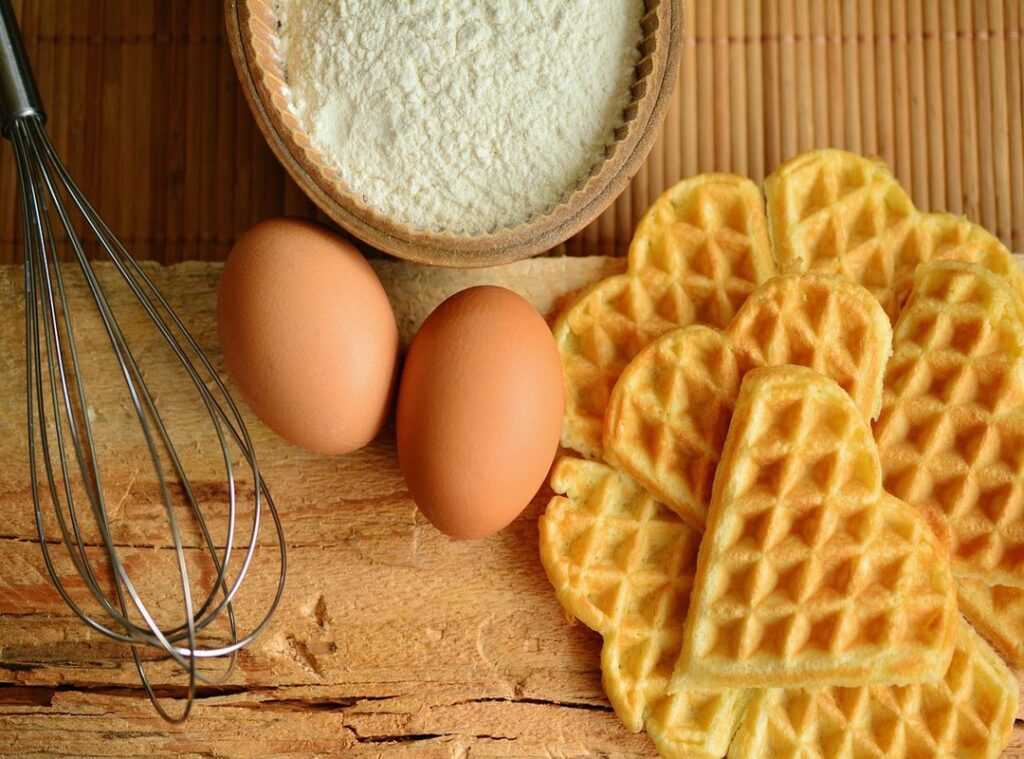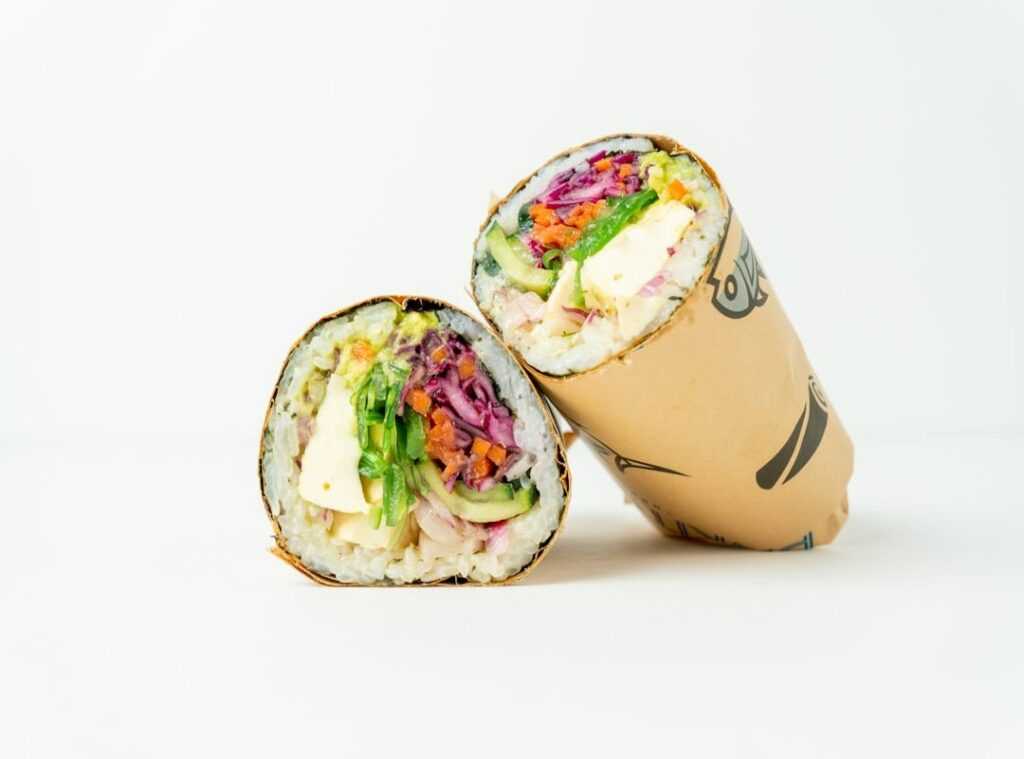

Feeling the sting of rising grocery prices every time you check out? You’re not alone—and you’re not powerless. This article is designed for anyone who wants practical, realistic ways to cut food costs without sacrificing flavor or variety. The solution lies in cooking from scratch savings: using simple, whole ingredients to create satisfying meals at a fraction of the cost of pre-packaged options. Drawing on proven budget-friendly meal strategies and real-world cost comparisons, we’ll show you how to stock a smart pantry, plan effectively, and turn everyday cooking into a dependable way to lower your grocery bill.
Build Your Core Pantry: The Foundation of Frugal Cooking
A well-stocked pantry is your number one defense against expensive impulse buys. Instead of shopping for one recipe at a time, you’re building the raw materials for hundreds of meals (yes, hundreds).
As one friend told me while staring into her near-empty cabinets, “I spend $40 and still have nothing to eat.” The problem wasn’t effort—it was infrastructure. A core pantry fixes that.
First, focus on foundational categories:
| Category | Staples | Why It Matters |
|---|---|---|
| Grains & Starches | Rice, oats, pasta, potatoes |
Cheap, filling, long shelf life |
| Legumes | Black beans, lentils, chickpeas | Low-cost protein and fiber |
| Oils & Aromatics | Olive oil, vinegar, onions, garlic | Flavor base for most savory meals |
| Canned Goods | Tomatoes, tomato paste, coconut milk | Instant sauce or soup starters |
| Spices | Salt, pepper, cumin, paprika, oregano | Global flavor without takeout prices |
Now, some argue fresh ingredients matter more than pantry goods. “Why not just buy what you need weekly?” they’ll say. Fair point. Fresh produce is essential. However, pantry staples prevent last-minute takeout when plans change (and they always do).
For example, rice + canned tomatoes + cumin + lentils becomes a hearty stew in 30 minutes. That’s cooking from scratch savings in action.
Moreover, spices let you pivot. Add oregano for Italian vibes. Swap in cumin and paprika for something smoky and bold. It’s like changing the soundtrack to the same movie scene.
Pro tip: Build slowly. “Buy two staples per trip,” a budget-savvy neighbor advised me. Over time, your kitchen becomes less reactive—and far more creative.
From Basic to Brilliant: Mastering Flavor with Simple Ingredients
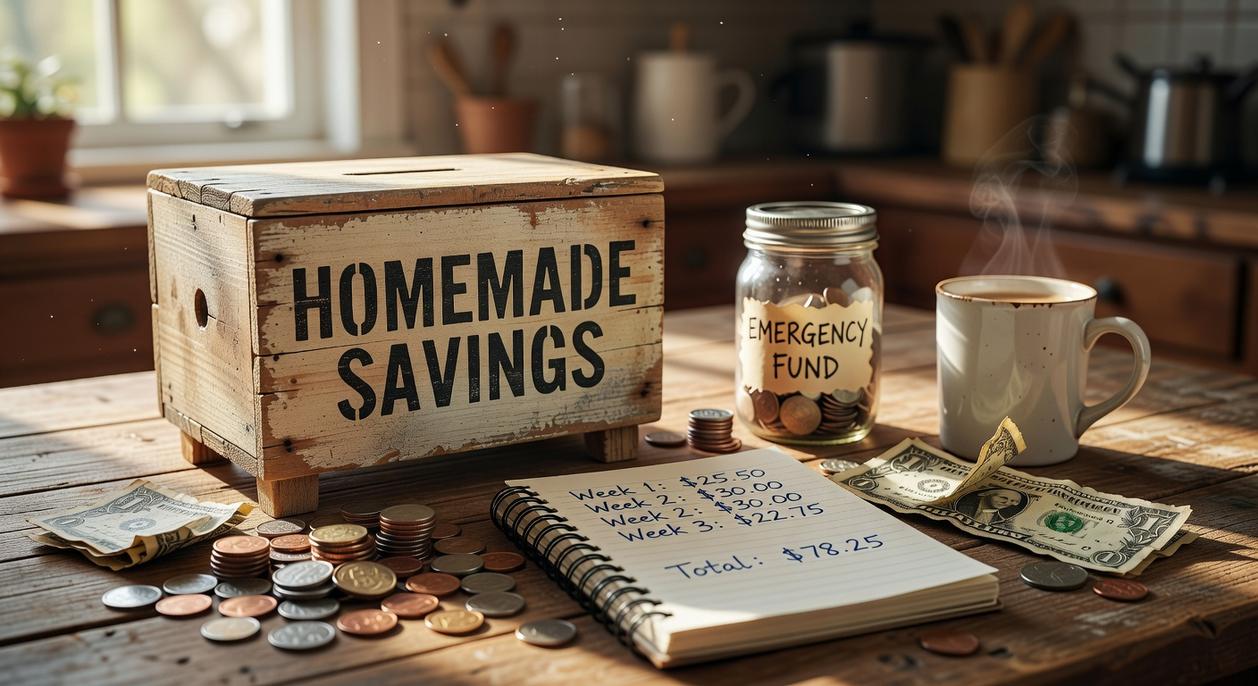
Saving money doesn’t mean settling for bland meals. In fact, some of the best dishes start with the simplest ingredients—rice, beans, onions, carrots. The difference between flat and fantastic usually comes down to technique (not a bigger grocery bill).
Master the Sauté
Sautéing means cooking food quickly in a small amount of fat over medium-high heat. When you cook onions, garlic, or carrots until lightly golden, you trigger the Maillard reaction—a chemical process that creates deeper, savory flavor (Harold McGee, On Food and Cooking). That browned base builds richness into soups, sauces, and stir-fries.
Embrace Acidity
A splash of lemon juice or vinegar at the end of cooking brightens a dish instantly. Acid balances salt and fat, making flavors pop without extra cost. (Ever wonder why restaurant food tastes “finished”? This is often why.)
Toast Your Spices and Grains
Before adding liquid, toast:
- Dry spices for 30–60 seconds
- Rice or grains in oil until lightly nutty
Heat releases essential oils, intensifying aroma and taste.
Don’t Throw Away Flavor
Simmer vegetable scraps into stock, and use aquafaba (bean liquid) to thicken soups or whip into foams. These small habits multiply cooking from scratch savings.
For more ideas, explore 10 pantry staples that make cheap meals nutritious and start transforming basics into brilliance.
The “Frugal Fusion” Method: Creative Meals to Eliminate Waste
The most expensive ingredient is the one you throw away. Yet some argue leftovers are uninspiring—dry chicken, soggy vegetables, a container of rice no one wants. Fair. No one dreams about yesterday’s dinner. But with a frugal fusion mindset, those odds and ends become building blocks for something sizzling, crisp, and entirely new.
Start with the “Everything” Bowl. Picture warm grains fluffed with a fork, steam rising as roasted vegetables caramelized at the edges tumble on top. Add creamy beans, a drizzle of tangy dressing, maybe a squeeze of lemon. Suddenly, lunch smells bright and tastes intentional (not accidental).
Then there’s Taco Tuesday to Fried Rice Friday. Skeptics say leftovers feel repetitive. But chop that cumin-spiced meat, toss it into a hot pan with day-old rice, hear the satisfying sizzle, and fold in a scrambled egg. The flavors deepen, toast, and transform.
And stale bread? It crackles into golden croutons, blitzes into nutty breadcrumbs, or soaks into a savory strata—custardy inside, crisp on top.
Think in components. “Leftover chicken” becomes tender sandwich filling or a bubbling quesadilla core. That shift unlocks cooking from scratch savings while making your kitchen smell like possibility.
Strategic Prep: Cook Once, Eat Cheaply All Week
I used to think meal prep meant forcing myself to eat the same bland container five days in a row. By Wednesday, I’d cave and order takeout (again). That mistake taught me the difference between meal prep and component prep—preparing building blocks like rice, roasted vegetables, or boiled eggs that can be mixed and matched all week.
Instead of five identical meals, cook a big batch of grains, roast a sheet pan of mixed veggies, and season proteins simply. Then switch up sauces or spices for variety. It’s the “choose your own adventure” version of dinner.
Meanwhile, don’t underestimate your freezer. I once skipped doubling a chili recipe and regretted it two weeks later. Now I embrace the cook once, eat twice method. Freeze half. Future-you will be grateful.
Also, wash and chop produce immediately. It feels tedious, but it prevents waste and boosts cooking from scratch savings. Pro tip: store chopped veggies in clear containers so you actually use them.
Embrace Your New Frugal Food Philosophy
You came here looking for a smarter way to handle rising grocery costs without sacrificing flavor or joy. Now you have a practical, flexible blueprint to make that happen. By focusing on simple, versatile ingredients, you reduce waste, stretch every dollar, and unlock real cooking from scratch savings that compound week after week.
High grocery bills don’t have to control your budget anymore. The power is in your pantry.
Take action today: inventory what you already have, plan one simple meal around a staple ingredient, and build momentum from there. Join thousands of savvy home cooks who are cutting costs, eating better, and transforming their kitchens—start this week and see the difference for yourself.
 Nolissa Orvandora writes the kind of fresh insights content that people actually send to each other. Not because it's flashy or controversial, but because it's the sort of thing where you read it and immediately think of three people who need to see it. Nolissa has a talent for identifying the questions that a lot of people have but haven't quite figured out how to articulate yet — and then answering them properly.
They covers a lot of ground: Fresh Insights, Frugal Fusion Cuisine, Low-Cost Culinary Exploration, and plenty of adjacent territory that doesn't always get treated with the same seriousness. The consistency across all of it is a certain kind of respect for the reader. Nolissa doesn't assume people are stupid, and they doesn't assume they know everything either. They writes for someone who is genuinely trying to figure something out — because that's usually who's actually reading. That assumption shapes everything from how they structures an explanation to how much background they includes before getting to the point.
Beyond the practical stuff, there's something in Nolissa's writing that reflects a real investment in the subject — not performed enthusiasm, but the kind of sustained interest that produces insight over time. They has been paying attention to fresh insights long enough that they notices things a more casual observer would miss. That depth shows up in the work in ways that are hard to fake.
Nolissa Orvandora writes the kind of fresh insights content that people actually send to each other. Not because it's flashy or controversial, but because it's the sort of thing where you read it and immediately think of three people who need to see it. Nolissa has a talent for identifying the questions that a lot of people have but haven't quite figured out how to articulate yet — and then answering them properly.
They covers a lot of ground: Fresh Insights, Frugal Fusion Cuisine, Low-Cost Culinary Exploration, and plenty of adjacent territory that doesn't always get treated with the same seriousness. The consistency across all of it is a certain kind of respect for the reader. Nolissa doesn't assume people are stupid, and they doesn't assume they know everything either. They writes for someone who is genuinely trying to figure something out — because that's usually who's actually reading. That assumption shapes everything from how they structures an explanation to how much background they includes before getting to the point.
Beyond the practical stuff, there's something in Nolissa's writing that reflects a real investment in the subject — not performed enthusiasm, but the kind of sustained interest that produces insight over time. They has been paying attention to fresh insights long enough that they notices things a more casual observer would miss. That depth shows up in the work in ways that are hard to fake.