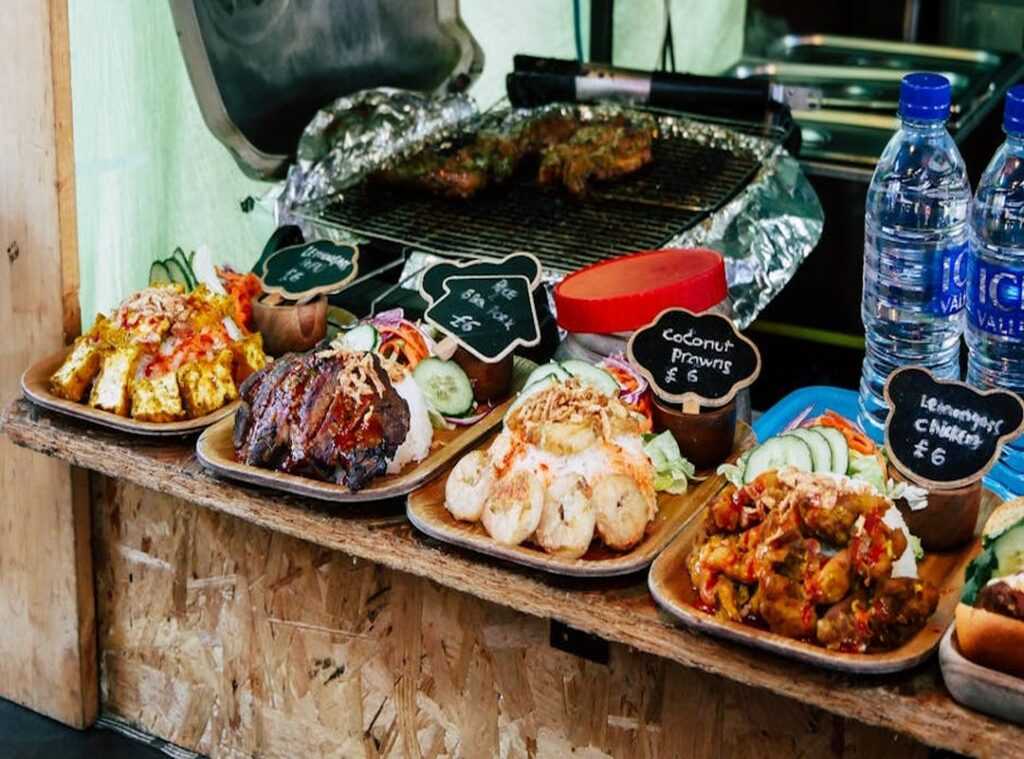

If you’re searching for practical ways to eat well without overspending, you’re in the right place. This article is designed for budget-conscious home cooks who want flavorful meals, smarter grocery strategies, and realistic kitchen routines that actually save money. From stretching simple ingredients into satisfying dishes to exploring low-cost culinary twists that keep meals exciting, we’ll show you how to make the most of every dollar.
You’ll also discover how batch cooking for beginners can transform your weekly routine—helping you cut waste, reduce takeout spending, and always have something delicious ready to eat. We focus on tested, real-world strategies that prioritize affordability without sacrificing taste.
Our approach combines hands-on kitchen experience, practical meal planning methods, and proven cost-saving techniques to ensure the tips you find here are actionable and effective. Whether you’re feeding one or a family, you’ll walk away with clear, budget-friendly steps you can start using right away.
Cook Once, Eat All Week: Your Simple Start to Batch Cooking
Reclaim weeknights from the nightly “what’s for dinner?” spiral. Contrary to popular belief, batch cooking doesn’t mean bland, repetitive meals. In fact, it saves money and sanity. Instead of grabbing takeout, cook staples once, then remix them.
|Cook|Use|Result|
|Rice|Bowls, stir-fries|3 dinners|
|Chicken|Tacos, salads|No waste|
Start with batch cooking for beginners, focusing on versatile ingredients. However, don’t overcomplicate it; perfection is overrated. Think Lego bricks, not gourmet finales. Consequently, you’ll cut groceries, reduce stress, and actually enjoy Wednesday. Pro tip: season boldly upfront. Tonight.
Understanding Batch Cooking: More Than Just Leftovers
Batch cooking is the practice of preparing ingredients or meal components in advance—think a pot of quinoa, a tray of roasted vegetables, or shredded chicken—so you can assemble fresh meals quickly throughout the week. It’s not about cooking five identical dinners and calling it done.
That’s where people confuse it with traditional meal prep. Classic meal prep often means portioning the same dish into containers. Batch cooking, by contrast, is component cooking: mix-and-match building blocks that become grain bowls on Monday, tacos on Tuesday, and soup on Wednesday. (No culinary déjà vu required.)
A common myth? You’ll eat the same “boring” meal all week or spend your entire Sunday in the kitchen. In reality, even 60–90 minutes can set you up.
For those exploring batch cooking for beginners, start with three versatile staples.
The real benefit is a ready-to-use toolkit that turns hectic evenings into five-minute, budget-friendly meals.
Your Batch Cooking Starter Kit: Frugal Kitchen Essentials
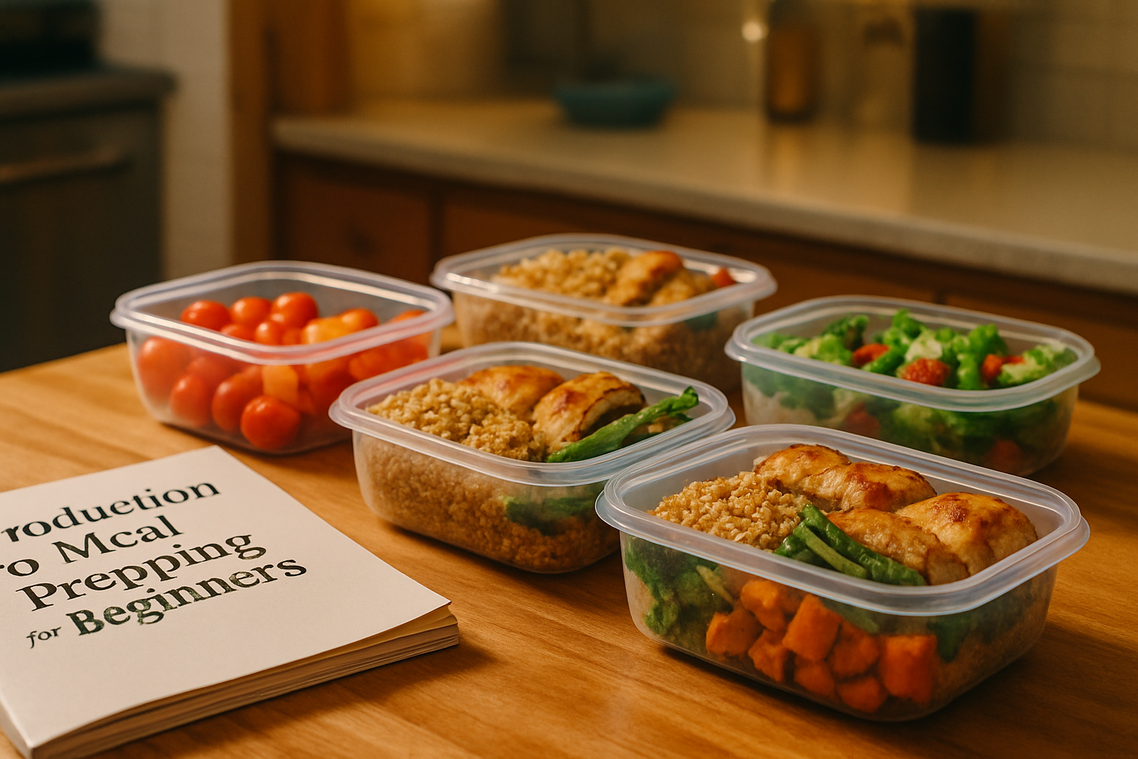
Let’s start with a truth: you do not need a Pinterest-perfect kitchen to succeed at batch cooking for beginners. Skip the pricey gadgets. I recommend focusing on the real workhorses:
- A sharp chef’s knife
- A sturdy cutting board
- One large pot or Dutch oven
- Two rimmed baking sheets
That’s it. (Yes, really.) A quality knife speeds prep and reduces waste—dull blades slip and bruise food, according to the CDC’s kitchen safety guidance.
Smart Storage Solutions
Choose containers with airtight seals to prevent freezer burn (USDA confirms air exposure ruins texture and flavor). Glass lasts longer and won’t stain, but it’s heavier. Plastic is lighter and cheaper, though it can warp. My recommendation? Mix both. Look for freezer-safe labels and stackable shapes at discount stores.
If you’re planning freezer friendly meals that cost less than takeout, durable storage matters more than matching lids.
The Big Three Appliances
Maximize what you have:
- Oven: Roast vegetables and proteins together.
- Stovetop: Cook grains and beans in bulk.
- Slow or pressure cooker: Hands-off soups and shredded meats.
Frugal Extras That Help
A salad spinner keeps greens fresh longer (less waste), and reusable silicone bags save space and money over time. Practical beats flashy—every single time.
A Foolproof Plan for Your First 90-Minute Session
If meal prep feels complicated, it’s usually because no one breaks it down simply. So here’s the no-confusion version.
Step 1: The “1-2-3” Menu Plan
Think of this as a formula, not a recipe. Choose:
- 1 grain (rice or quinoa)
- 2 proteins (chicken thighs, chickpeas)
- 3 vegetables (broccoli, bell peppers, sweet potatoes)
A grain is your filling base. Proteins help you stay full longer (protein supports muscle repair and satiety, according to Harvard T.H. Chan School of Public Health). Vegetables add fiber and nutrients. Mix and match during the week so you don’t feel like you’re eating the same plate on repeat (because nobody wants Groundhog Day dinners).
This structure is especially helpful for batch cooking for beginners because it removes guesswork.
Step 2: Create a “Cross-Functional” Shopping List
“Cross-functional” just means every ingredient works in multiple meals. Rice can go in bowls, stir-fries, or wraps. Roasted veggies can become salad toppers or taco fillings. Shop bulk bins and seasonal produce to lower costs (seasonal items are often cheaper due to higher supply, per USDA reports).
- PLAN AHEAD
- Buy versatile staples
- Stick to your list
Step 3: The Workflow
Start with what takes longest. Roast vegetables and bake chicken first. While they cook, simmer your grain. In the last 10 minutes, chop fresh items and whisk a simple vinaigrette (oil + vinegar + salt).
Step 4: Cool and Store Properly
Let food cool completely before sealing. Trapping steam creates condensation, which leads to sogginess and faster spoilage. The USDA recommends refrigerating cooked food within two hours for safety. Pro tip: store sauces separately to keep textures fresh.
Variety doesn’t require more money—just smarter assembly. Start with the “Frugal Fusion” method: cook simple components, then remix them. For example, chicken + roasted veggies + quinoa becomes a hearty grain bowl. Swap the quinoa for a tortilla, and suddenly it’s a wrap. Toss that same chicken with soy sauce and garlic, and you’ve got a quick stir-fry. (Yes, it’s basically meal-prep cosplay.)
Next, lean on sauces. A lemon-tahini dressing—tahini, lemon juice, garlic, water, salt—adds creamy brightness. A simple tomato sauce of canned tomatoes, olive oil, and oregano shifts everything Italian. Or whisk peanut butter, lime, and chili flakes for a budget satay. Pro tip: make sauces first; they prevent flavor fatigue.
Meanwhile, add fresh elements—handfuls of spinach, chopped herbs, a squeeze of lime. These high-impact, low-cost upgrades wake up leftovers.
For a sample week, assemble bowls Monday, wraps Tuesday, pasta Wednesday, stir-fry Thursday, and loaded salads Friday. If you’re new, think of this as batch cooking for beginners with built-in variety. Choose two proteins, three veggies, one grain, and rotate boldly.
After all, repetition is optional, not inevitable. With a little planning, your fridge becomes a choose-your-own-adventure kitchen. Try it this week, and taste the difference. Three simple rules.
Your path to calm dinners starts with a simple shift. When you stop reinventing the wheel every night, you reclaim time, money, and mental space. That’s the real win.
With a component system, you cook once and eat creatively all week. Think grilled chicken, roasted veggies, and a grain—mix and match into tacos, bowls, or pasta (yes, like your own low-budget Chopped episode). It’s flexible, forgiving, and perfect for batch cooking for beginners.
Set aside 90 minutes this weekend. Plan your 1-2-3 menu, shop once, prep smart. Future you gets easier evenings, fewer takeout bills, and dinners that feel doable.
Make Your Kitchen Work for You
You came here looking for realistic ways to eat well without overspending, and now you have practical strategies to make that happen. From smarter grocery planning to stretching ingredients across multiple meals, you’ve seen how simple shifts can lower your food costs without sacrificing flavor.
The real challenge isn’t knowing what to do — it’s staying consistent when life gets busy and prices keep rising. That’s where batch cooking for beginners becomes a game changer. It saves time, reduces waste, and keeps you from falling back on expensive last-minute takeout.
Now it’s your move. Pick one recipe, plan one prep session this week, and stock your fridge with ready-to-go meals. Thousands of budget-conscious home cooks are already cutting their grocery bills and stress levels with these simple systems. You can, too.
Start small, stay consistent, and take control of your food budget today.
 Nolissa Orvandora writes the kind of fresh insights content that people actually send to each other. Not because it's flashy or controversial, but because it's the sort of thing where you read it and immediately think of three people who need to see it. Nolissa has a talent for identifying the questions that a lot of people have but haven't quite figured out how to articulate yet — and then answering them properly.
They covers a lot of ground: Fresh Insights, Frugal Fusion Cuisine, Low-Cost Culinary Exploration, and plenty of adjacent territory that doesn't always get treated with the same seriousness. The consistency across all of it is a certain kind of respect for the reader. Nolissa doesn't assume people are stupid, and they doesn't assume they know everything either. They writes for someone who is genuinely trying to figure something out — because that's usually who's actually reading. That assumption shapes everything from how they structures an explanation to how much background they includes before getting to the point.
Beyond the practical stuff, there's something in Nolissa's writing that reflects a real investment in the subject — not performed enthusiasm, but the kind of sustained interest that produces insight over time. They has been paying attention to fresh insights long enough that they notices things a more casual observer would miss. That depth shows up in the work in ways that are hard to fake.
Nolissa Orvandora writes the kind of fresh insights content that people actually send to each other. Not because it's flashy or controversial, but because it's the sort of thing where you read it and immediately think of three people who need to see it. Nolissa has a talent for identifying the questions that a lot of people have but haven't quite figured out how to articulate yet — and then answering them properly.
They covers a lot of ground: Fresh Insights, Frugal Fusion Cuisine, Low-Cost Culinary Exploration, and plenty of adjacent territory that doesn't always get treated with the same seriousness. The consistency across all of it is a certain kind of respect for the reader. Nolissa doesn't assume people are stupid, and they doesn't assume they know everything either. They writes for someone who is genuinely trying to figure something out — because that's usually who's actually reading. That assumption shapes everything from how they structures an explanation to how much background they includes before getting to the point.
Beyond the practical stuff, there's something in Nolissa's writing that reflects a real investment in the subject — not performed enthusiasm, but the kind of sustained interest that produces insight over time. They has been paying attention to fresh insights long enough that they notices things a more casual observer would miss. That depth shows up in the work in ways that are hard to fake.